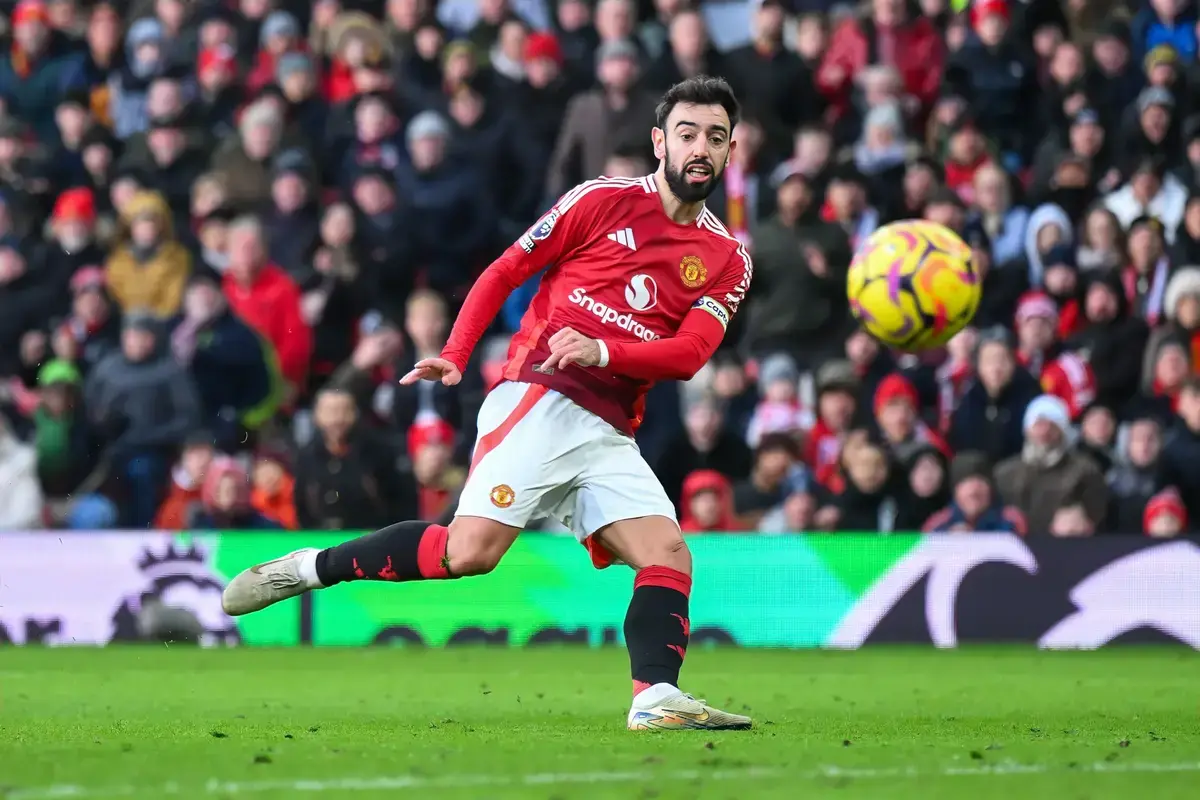
Manchester United rank 16th for distance covered and second-bottom for high-intensity running
Manchester United covered 671.5 kilometres across their opening six Premier League matches of 2026/27, ranking 16th of 20, while their high-intensity average of 46.5 is the second-worst in the division — physical data that aligns uncomfortably with their poor start to the season.
- Distance covered: 671.5km across six league games, 16th in the Premier League
- Average per game: approximately 111.9km
- High-intensity average: 46.5 — second-worst in the division
- Worst gap: 6.5km behind Fulham in a single match (116.7km vs 110.2km)
- Last season: 4,295.4km total, 11th in the league; intensity score of 318.6, 14th
The numbers
- United's six-match total of 671.5km ranked 16th of 20 teams, an average of roughly 111.9km per game.
- Against Fulham, United covered 110.2km while Fulham covered 116.7km — a 6.5km gap, or more than 70 metres per minute of normal time collectively.
- A four-kilometre per-game deficit equates to an extra 400 metres for every outfield player.
- United's high-intensity average of 46.5 after six matches is the second-worst in the Premier League.
- In 2025/26 United recorded an average intensity score of 318.6, ranking 14th.
- United's 2025/26 total of 4,295.4km placed them 11th, behind Manchester City (4,504.5km), Leeds United (4,485.6km) and Arsenal (4,472.9km).
- The 209.1km season gap to City works out at about 5.5km per game across 38 matches.
- During Michael Carrick's spell in charge last season, United collected 12.7 more points than expected — the largest positive difference among current Premier League teams — and eight of their 12 league wins under him came by a single goal.
- Bruno Fernandes covered 373.87km in 2025/26, more than any other United player, across 3,066 minutes at approximately 11km per 90.
- This season Fernandes averages 11.1km per 90, followed by Kobbie Mainoo (10.8), Bryan Mbeumo (10.7), Diogo Dalot (10.5), Matheus Cunha (9.9), Amad Diallo (9.8), Harry Maguire (9.7) and Lisandro Martinez (9.6).
- By late October, Pascal Gross had covered 94.05km in 701 minutes, Harrison Armstrong 92.74km in 699 minutes and Ethan Ampadu 91.96km in 720 minutes. No United player featured in the league's top 10 for total distance.
- Mbeumo led United for total distance with 85.4km, ahead of Fernandes (77.8km) and Maguire (77.2km).
Why United's running problem is about intensity, not just kilometres
Distance alone can mislead. A possession side naturally covers less ground than a team chasing the ball for 90 minutes, and Manchester City have shown that control can replace sheer volume of running. The distinction the data draws is between conserving energy through dominance and covering less ground because a team is passive.
United's high-intensity figure is where the eye test and the spreadsheet converge. Opposition midfielders have been allowed to carry the ball forward, attacks have been built without sustained pressure, and runners have been found in spaces that should have been covered. United can look compact for short spells, but the structure breaks once the first line of pressure is beaten.
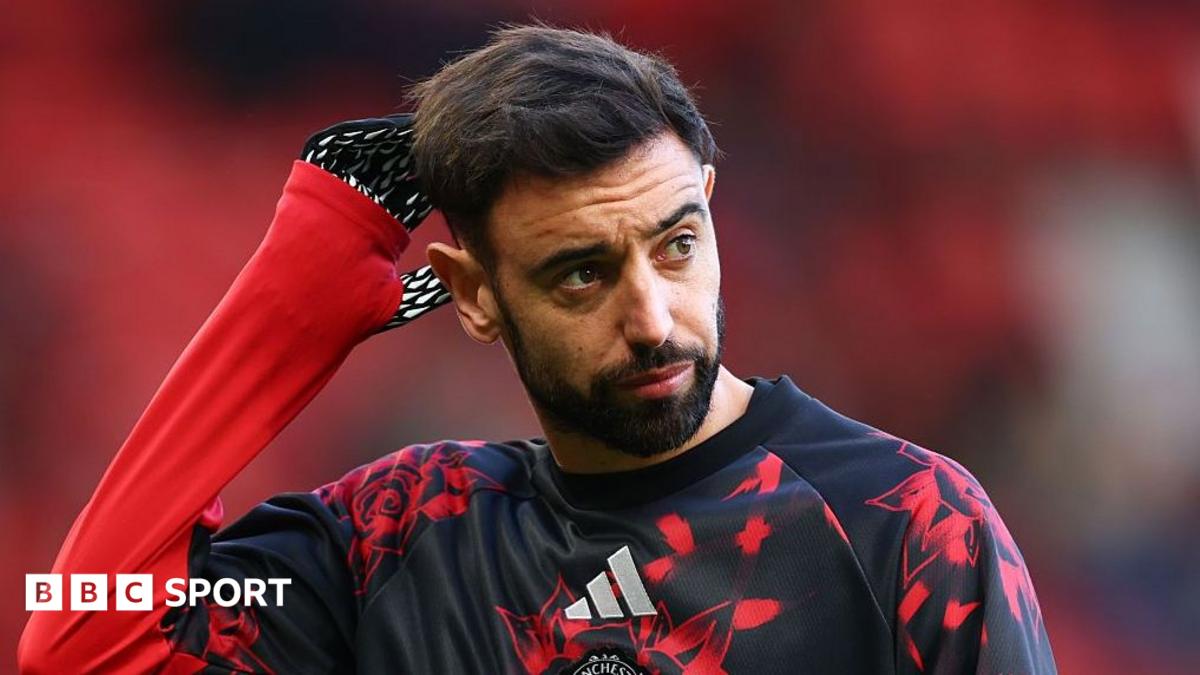
Bruno Fernandes is the exception rather than the rule. His 11.1km per 90 this season and 373.87km last term underline a workload that has drawn criticism over body language and risk-taking while remaining the most consistent physical output in the squad. Kobbie Mainoo and Bryan Mbeumo sit just behind him, but United lack enough regular starters appearing among the league's standout runners — positional context explains some of it, since centre-backs will never match midfielders, and substitutes can distort per-90 figures.
Why last season's third-place finish masked the physical decline
The table told a flattering story. United finished third in 2025/26, but the 5.5km-per-game gap to City and a below-average intensity ranking suggested results were ahead of performances. Carrick's side outperformed expectations by 12.7 points, and eight of his 12 league wins were one-goal margins.
Narrow wins built on fine margins are not a foundation. Once those margins stopped falling United's way, the underlying weaknesses became visible in results as well as data. The pattern now spans two seasons: below average for intensity in 2025/26, and apparently further behind in the opening weeks of 2026/27.
The fix is coordination, not extra kilometres
Simply demanding five more kilometres per match will not work. Disorganised running exhausts a team without improving it. The best pressing sides move as one: the forward angles the ball into a trap, midfielders step up to remove short options, and the defence pushes higher to compress the pitch. One hesitation and the opponent escapes with several players behind the ball.
United need collective, aggressive, purposeful running. Those nearest the ball must press with conviction. Midfielders must track runners instead of handing off responsibility. Defenders must be willing to hold a higher line when the pressure ahead is secure. Attackers must make repeated off-ball runs even knowing the pass may not arrive. Until those habits change, questions about effort and intensity will follow this team.
Talking points
- Is the 6.5km gap to Fulham a symptom of poor fitness or of a tactical setup that leaves players chasing shadows?
- Fernandes covers more ground than anyone — should critics reconsider a player whose physical output is carrying the midfield?
- Carrick's 12.7-point overperformance last season looks like a warning, not an achievement, given eight one-goal wins.
- Can a possession-based side genuinely succeed without elite running numbers, or is City the exception that proves the rule?
What happens next
United's next Premier League fixture is the immediate test of whether the intensity numbers shift. A repeat of the Fulham distance deficit would strengthen the case that this is structural rather than a slow start, and the coaching staff face a decision over whether to adjust the pressing structure or the personnel who execute it.
Frequently asked questions
How far have Manchester United run this season compared to other Premier League teams?
United covered 671.5 kilometres across their first six league games of 2026/27, an average of about 111.9km per match, ranking them 16th of 20 teams.
What is Manchester United's high-intensity running score?
Their average high-intensity measurement stood at 46.5 after six matches, the second-worst figure in the Premier League.
Which Manchester United player covers the most ground?
Bruno Fernandes averaged 11.1km per 90 this season and covered 373.87km across 3,066 minutes in 2025/26, more than any other United player.
Related Articles
Filed under: Tactical Analysis | LA Premier League Home