
The Academy Is a Comfort Blanket for the Boardroom
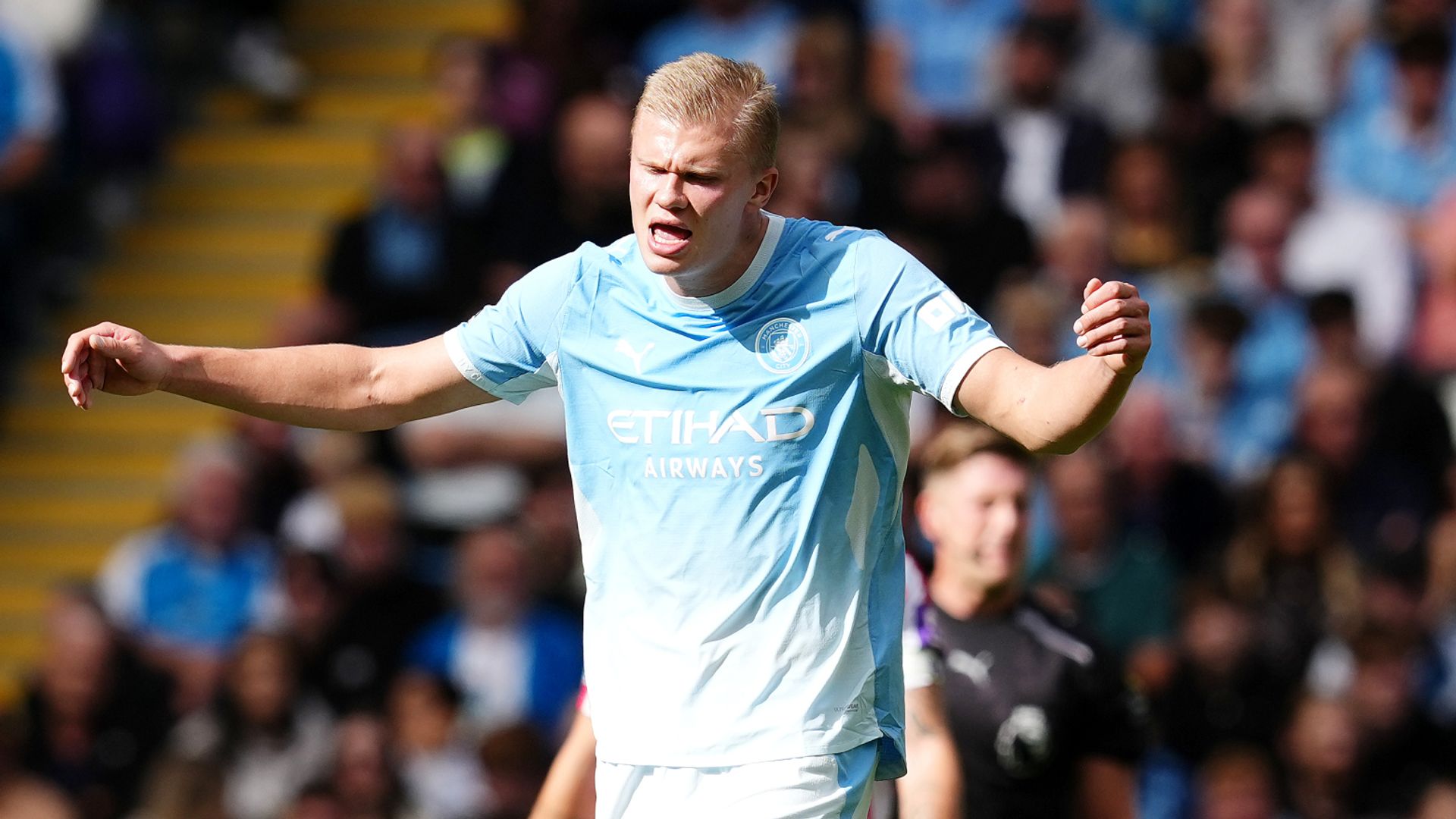
Every Big Six club preaches the gospel of the academy while their actions perform a weekly exorcism of its spirit. Manchester City’s Cole Palmer, Chelsea’s Conor Gallagher, and Arsenal’s Emile Smith Rowe weren’t sold for footballing reasons; they were liquidated for accounting purity. The academy isn’t about development anymore—it’s a hedging strategy, a PSR loophole, a box-ticking exercise for Uefa licensing.
From Busby Babes to Balance-Sheet Bait
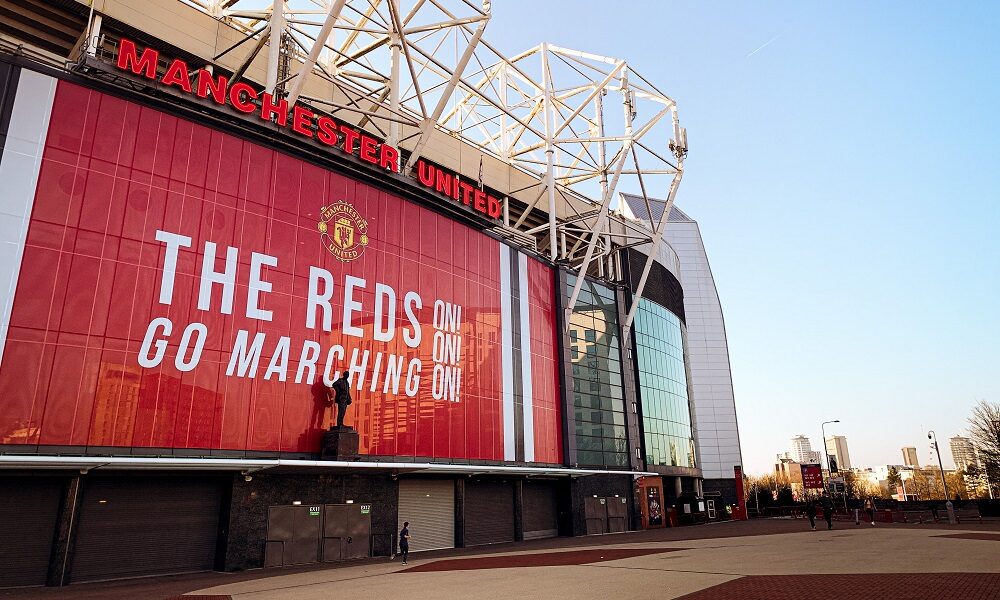
Manchester United’s famed Class of ’92 stands as a relic of a bygone era when homegrown talent was the club’s identity. Now, the club’s most marketable academy product in a decade, Kobbie Mainoo, was reportedly offered to Chelsea in a swap for Jamal Musiala—a move that would have seen Old Trafford’s latest jewel packaged like a used car. Meanwhile, Chelsea’s Cobham factory churns out talent at an industrial rate, only to discard them like defective goods. Reece James, once the future, now carries the burden of a club that has bought his replacement, Malo Gusto, and scours the market for another right-back.
The numbers are damning. Since the Premier League’s inception, only a trickle of academy graduates have become regular starters at their parent clubs. A 2023 CIES study found that only 12% of minutes played by Big Six clubs went to homegrown players under 23—a figure that has halved in a decade. The loan system, once a development tool, is now a dumping ground. Chelsea sent 41 players on loan in 2023/24, a record, with the aim of inflating transfer values rather than nurturing future first-teamers.
The Sell-to-Buy Shell Game
Under PSR, selling homegrown players counts as pure profit on the balance sheet, a perverse incentive that turns academy graduates into financial instruments. When Chelsea sold Mason Mount for £55m, they didn’t lose a midfielder; they gained a compliance certificate. When Manchester City cashed in on Cole Palmer for £42.5m, they didn’t lose a winger; they bought a “wonderkid” who might be worth double in three years. The strategy is simple: speculate on foreign and under-23 talent, flip them before they count as losses, and book the profits.
- Manchester United netted £70m from selling Dean Henderson, Scott McTominay, and Anthony Elanga—all academy products—while spending £300m on replacements.
- Chelsea’s “loan army” has yielded over £100m in sales of players like Tammy Abraham, Fikayo Tomori, and Tino Livramento, none of whom were given a sustained chance.
- Arsenal sold Emile Smith Rowe for £35m, a player who had been the club’s best creative midfielder in 2021/22, to “balance the books” and fund the signing of Mikel Merino.
But They’ll Point to a Shiny New Building
The counter-argument is familiar: the facilities are world-class, the coaching is cutting-edge, and the pathways are “clear.” Chelsea’s new academy building at Cobham cost £50m; Man City’s Al Etihad Campus is a cathedral to development. Yet these monuments are less about creating first-team players than they are about creating sellable assets. If the goal were genuinely to produce starters, why did Chelsea let Lewis Hall leave for Newcastle for £28m this summer, despite his breakthrough season? Why did Spurs sell Japhet Tanganga for £3m? Buildings don’t play football—they just offer a pretty backdrop for the next fire-sale.
The more damning rebuttal comes from data. In 2023, the Premier League’s Big Six had an average of 3.1 academy graduates in their Matchday squads, compared to 8.2 at clubs like Aston Villa and Brighton. The latter, who have outperformed their “superiors,” do so by trusting youth—see Evan Ferguson, Moises Caicedo, and now Carlos Baleba. The elite’s obsession with buying proven goods at inflated prices while discarding their own produces a paradox: they spend millions on players like Nicolas Pepe, Kai Havertz, and Antony, while allowing the next Jude Bellingham to slip away to Germany or realise their potential elsewhere.
The Verdict: A Pipeline for Everyone Else
Here is the falsifiable prediction: by the 2027/28 season, no Big Six club will have a single academy graduate who has made 50+ starts for them in consecutive seasons. That’s not hyperbole; it’s the logical end point of a system that sees youth as a commodity, not a soul. The clubs will still sing the praises of their academies, but the only graduates picking up medals will be doing so for other teams. The Premier League’s next Ballon d’Or winner won’t emerge from Cobham or Carrington; they’ll emerge from a club like Brighton, who treat their academy as a football institution, not a financial subsidiary. And when that happens, the Big Six will simply buy them for £120m, point to the transfer as evidence of their ambition, and wonder why their own fans feel so disconnected from the product on the pitch.
Related Articles
Filed under: Opinion | LA Premier League Home