Vinicius Jr Stay Highlights Premier League's Elite Recruitment Gap
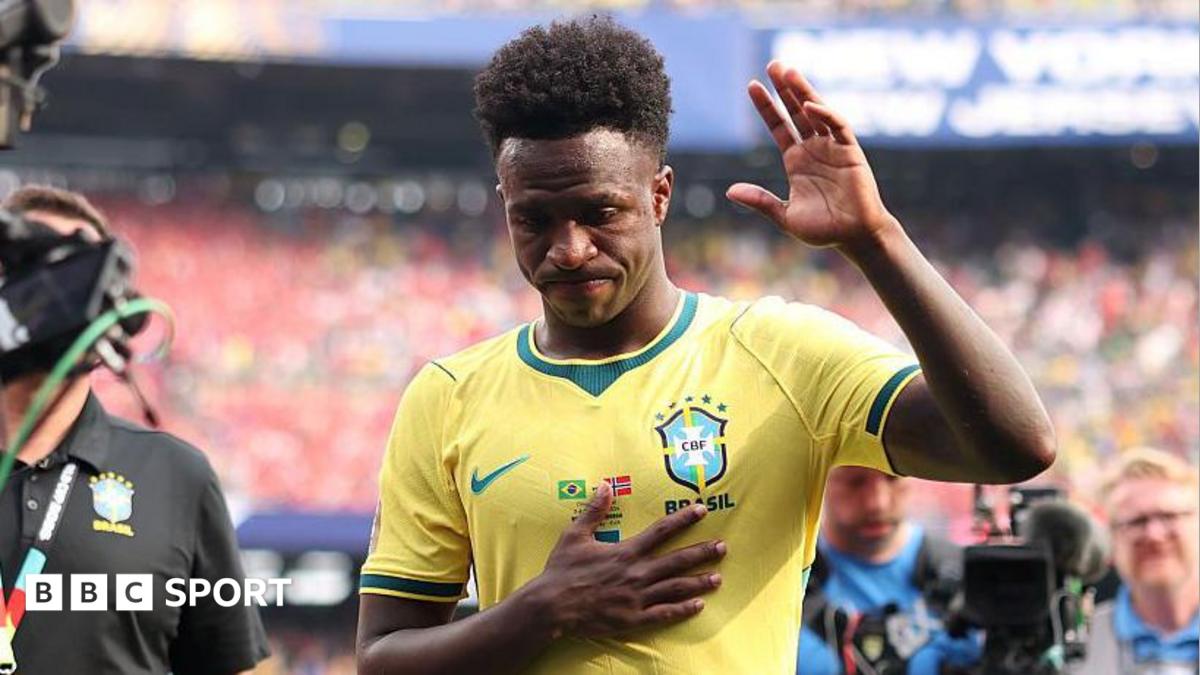
Vinicius Junior's decision to commit his future to Real Madrid has reignited a long-standing question: why does the Premier League, the world's richest division, so often fail to attract the planet's finest footballers during their peak years?
The Brazilian winger, who has been linked with lucrative moves to England on multiple occasions, chose to remain in the Spanish capital. His choice underscores a recurring pattern in modern football's transfer market.
The Financial and Cultural Pull of Spain's Super-Clubs
Real Madrid and Barcelona have historically wielded an almost gravitational pull over the game's elite. Their combination of Champions League pedigree, lifestyle appeal, and the iconic white or blaugrana shirt outperforms the Premier League's financial muscle.
Premier League clubs can match or exceed any wage offer, yet they regularly lose out on marquee signings. The allure of guaranteed silverware in Spain, particularly in Europe's premier competition, remains a decisive factor.
Vinicius Jr, for instance, has already won two Champions League titles with Real Madrid. At 24, he has a legitimate claim to being the world's best winger, and his environment at the Santiago Bernabéu offers stability and a pathway to individual accolades like the Ballon d'Or.
English clubs, despite their wealth, cannot offer the same historical prestige or the near-annual expectation of European glory. This intangible appeal often outweighs a higher wage packet or a more competitive domestic league.
The Premier League's Strategy: Buying Potential and Proven Premier Stars
Instead of securing established global icons, the Premier League's recruitment strategy often focuses on two distinct markets: younger talents with high ceilings and players already accustomed to English football's demands.
Clubs like Chelsea and Manchester City frequently invest in 18-to-23-year-olds, developing them into superstars rather than acquiring them in their prime. This approach has delivered success, but it also means the league's biggest names are often homegrown or imported early.
Consider the recent pattern of high-profile exports: Erling Haaland joined Manchester City at 22, while Jude Bellingham moved to Real Madrid at the same age. Both were exceptional prospects, but their true world-class status was honed in England and Germany respectively before their moves.
The Premier League has become a selling league for elite-level footballers, despite its immense financial power. The champions of Europe are increasingly found in Madrid, not Manchester or London.
Tactical and Lifestyle Factors
Beyond heritage, lifestyle and tactical culture play a role. Spain's climate and relaxed living standards appeal to South American players, who often cite the language barrier and intensity of English football as obstacles.
Moreover, the Premier League's gruelling schedule, including the festive period and cup competitions, can shorten careers. Elite players prioritise longevity and may prefer a less demanding league at their peak.
Real Madrid's Galáctico Model
Real Madrid's strategy of acquiring the world's best each summer—from Figo to Zidane, Ronaldo to Mbappé—creates a self-perpetuating allure. The club's prestige and ability to secure stars in their prime contrasts sharply with the Premier League's more pragmatic approach.
Impact on the League's Global Brand
The absence of peak superstars does not diminish the Premier League's commercial success, but it does affect its narrative. Global audiences tune in for competitiveness and drama, yet the league lacks the marquee names that transcend sport.
When Vinicius Jr chooses Madrid over a reported move to the Premier League, it sends a message to global fans: the ultimate stage for individual brilliance remains elsewhere.
- Premier League clubs spent record amounts in recent transfer windows, yet none captured the signature of a reigning Ballon d'Or contender.
- The tactical intensity and physical demands of English football can deter players accustomed to a slower pace.
- Real Madrid and Barcelona's ability to offer a clear path to Champions League and Ballon d'Or honours is a powerful recruitment tool.
What's Next for the Premier League?
The Premier League's financial might will continue to attract top-tier talent, but breaking the stranglehold of Spain's super-clubs on the world's very best requires a shift in strategy. Whether through coaching excellence or a change in sporting culture, the league must find a way to convince players like Vinicius Jr that their legacy is best built in England.
Until then, the question remains: can the Premier League ever reclaim its status as the home of the world's greatest?
Related Articles
Filed under: Opinion | LA Premier League Home