
Arteta deliberately made Arsenal late for matches in pre-season to build mental toughness
Mikel Arteta has revealed he intentionally disrupted Arsenal's pre-season travel and matchday routines — making the team late, altering routes and meals, and overheating the changing room — to prepare players for unpredictable setbacks like Tuesday's Air Traffic Control delays en route to Napoli.
- Manager: Mikel Arteta, Arsenal head coach
- Revelation: Deliberately sabotaged pre-season travel plans and matchday routines
- Methods: Delaying meals and transport, changing routes, making the changing room hotter, fewer beds
- Recent example: Arsenal's Champions League trip to face Napoli was delayed by the Air Traffic Control crisis
- Impact: Arsenal arrived in Italy around three hours behind schedule after planned 3pm departure from Luton Airport
- Stance: Arteta refuses to let disruption become an excuse
What was said
"I love those challenges. I tried to create them in pre-season! So when they happen, we know how to experience them and we already know."
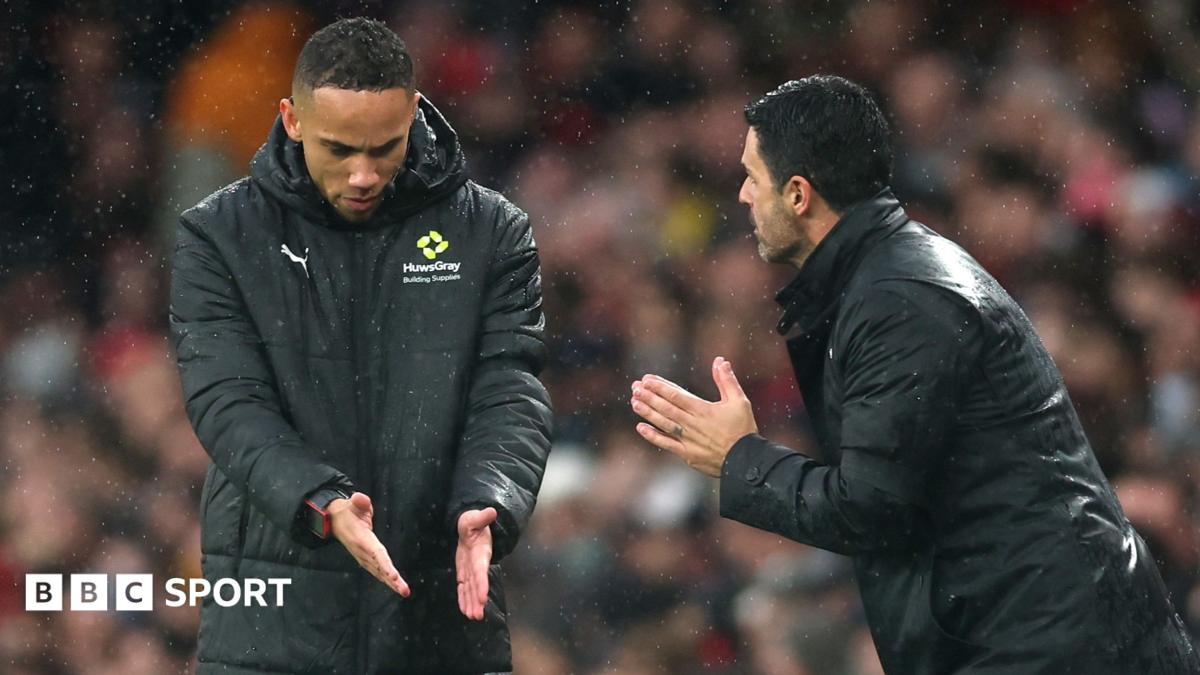
"Get to the stadium very late, change the routine so the players have to do something else. When it happens, and it can: the flight can be cancelled, or the train is delayed, there is so much traffic, I don't want the players and staff panicking."
"When that happens, adapt to it. We have two or three hours on the plane - can we use it? Play together, spend some time together, sleep. But don't complain or use it as an excuse because it's not helpful at all."
"Just delaying the meals, delaying the transport, taking a different route. We've done many things. Make the dressing room hotter, more difficult, more challenging, less beds. Those kinds of things because we're going to have to adapt to different contexts. And we will try to anticipate this and adapt to difficult conditions."
"When there's no element of surprise or stress on a matchday, I think it's important."
Arteta's words reveal a manager obsessed with control — or rather, with removing the need for it. By simulating chaos in pre-season, he aims to inoculate his squad against the kind of disruption that struck Arsenal's trip to Napoli. The Champions League midweek fixture was compromised by the widespread Air Traffic Control crisis, causing delays that left the team arriving in Italy roughly three hours later than planned.
Instead of lamenting the situation, Arteta framed it as an opportunity to use time productively. His message to players is clear: adapt, don't complain. The measures he listed — delaying meals, changing transport routes, making the changing room hotter, reducing beds — are designed to normalise discomfort. The underlying belief is that mental resilience, not just tactical preparation, decides matches when travel goes wrong.
Why Arteta's travel sabotage is a psychological masterstroke
Mikel Arteta has built a reputation for meticulous preparation, but this admission shows he is equally focused on the unpredictable. By deliberately making his Arsenal squad late for pre-season matches and altering their routines, he is conditioning them to treat disruption as routine. The Air Traffic Control crisis that delayed their arrival in Naples for the Champions League tie against Napoli was exactly the scenario he had rehearsed.
The practical measures Arteta described — delaying meals, changing transport routes, overheating the changing room, providing fewer beds — are small but cumulative. They force players out of autopilot. On a matchday, when a flight is cancelled or traffic snarls, a squad accustomed to such hurdles is less likely to panic. Arteta wants his players to use unexpected downtime on the plane productively: playing together, sleeping, staying calm.
This approach extends beyond travel. Arsenal have been Premier League champions — a fact that raises expectations every season. Arteta knows that title defences are decided by responding to adversity. His pre-season sabotage is not gimmickry; it is an attempt to embed a mindset that no external factor can derail. The proof will come in how Arsenal perform when the next logistical curveball arrives.
Talking points
- Is deliberately sabotaging travel plans a smart psychological tool or an unnecessary risk that could unsettle players before competitive matches?
- Arteta's methods — fewer beds, hotter changing rooms — seem extreme, but do they actually translate into better performance under pressure?
- Should other managers copy this approach, or does it only work with a squad already bought into Arteta's obsessive culture?
- Arsenal's trip to Napoli was delayed by Air Traffic Control chaos, but if the team had lost, would Arteta's pre-season sabotage have been blamed?
What happens next
Arsenal will continue their Champions League campaign and Premier League title defence, with the next fixture set to test the squad's adaptability once more. Arteta's methods will face scrutiny whenever travel or scheduling disruptions occur — starting with any upcoming away trips. The manager's willingness to embrace chaos could prove decisive in tight title races and European knockout ties, where margins are thin.
Frequently asked questions
What did Arteta do to sabotage Arsenal's travel plans?
He deliberately delayed meals and transport, took different routes, made the changing room hotter, and provided fewer beds during pre-season to prepare players for difficult conditions.
Why did Arteta sabotage pre-season travel?
He wanted players to experience and adapt to unexpected problems like delays or cancellations, so they don't panic and won't use disruption as an excuse.
Did Arsenal's travel to Napoli face disruption?
Yes, their flight from Luton Airport was delayed by the Air Traffic Control crisis, and they arrived in Italy around three hours behind schedule.
Related Articles
Filed under: Manager News | LA Premier League Home