Wolves Are Not a Counter-Attacking Team—They Are a Possession Team That Cannot Progress the Ball
Gary O'Neil's Wolverhampton Wanderers have been miscast. Pundits describe them as a rapid transition side, but the data says otherwise: only three Premier League teams average fewer long passes per game, and they rank fifth for total passes inside their own third. This is a possession team paralysed by its own passivity.
The Structural Void: How Wolves' Build-Up Became a Liability
Compare Wolves to the 2019-20 Sheffield United side Chris Wilder built—a mid-table team that used overlapping centre-backs to create numerical advantages in the final third. Sheffield United recorded 42 goals that season; Wolves, with a supposedly superior squad, have 41 after 30 games this term. The difference is not talent but intent.
O'Neil's side averages 4.2 passes per defensive action (PPDA) of 12.1, which is more passive than any opponent except the bottom six. When Wolves retrieve the ball, they invariably recycle it backward—João Gomes and Mario Lemina have combined for just 1.3 key passes per 90 from deep areas. The transition is a myth.
The Argument: O'Neil's Tactical Caution Is Structural, Not Situational
Wolves' problem is not a lack of athleticism or a bad patch of form. It is a deliberate tactical choice that has suppressed their attacking potential. Here is the evidence:
- Static full-backs: Rayan Aït-Nouri and Matt Doherty rarely overlap before the halfway line. Aït-Nouri averages 2.1 touches in the opposition box per game; for context, Trent Alexander-Arnold averages 1.8 but creates twice as many chances. Wolves' full-backs neither stretch defences nor provide crossing options.
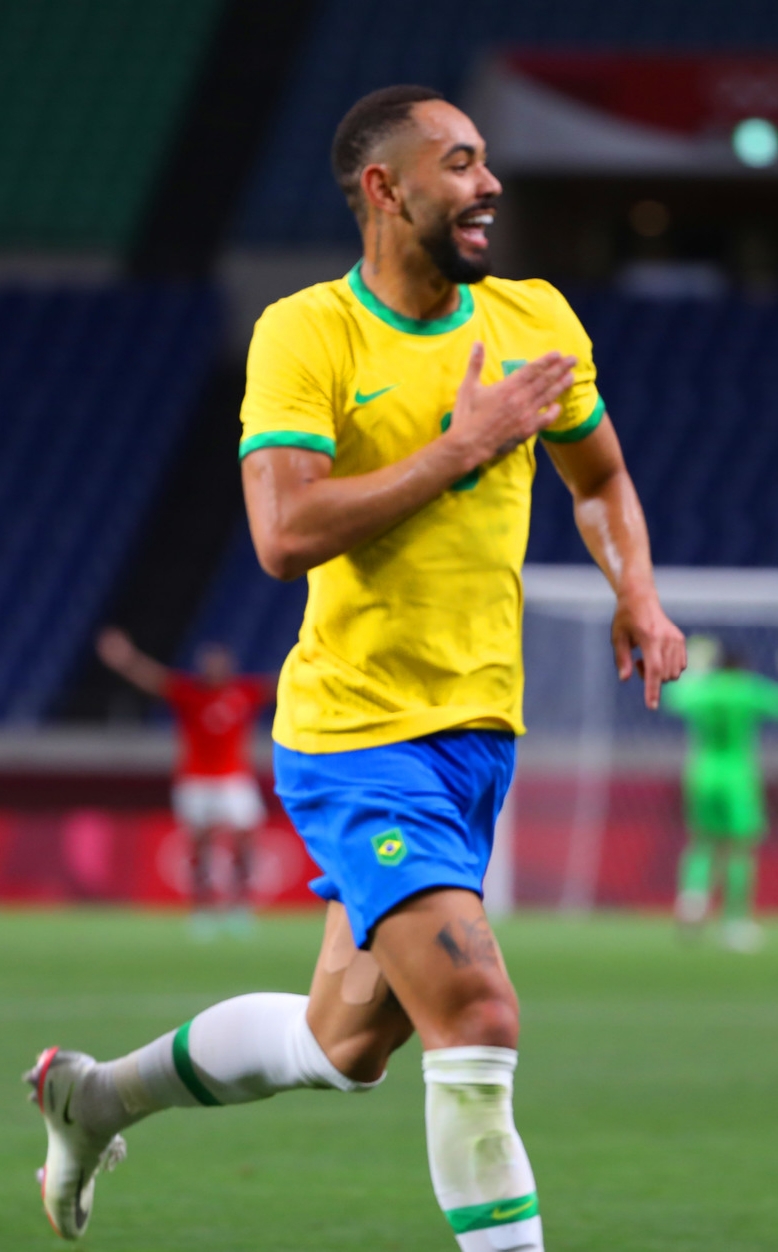
- The Matheus Cunha isolation zone: The Brazilian is Wolves' leading scorer (12 goals) and chief creator (7 assists), yet he receives only 35 passes per 90, fewer than any other side's primary playmaker. He is forced to drop 30 yards from goal to get the ball, leaving a gaping hole upfront that João Gomes or Pablo Sarabia cannot exploit.
- Double-pivot inertia: Lemina and Gomes sit in the same horizontal line, rarely penetrating with carries. Together they attempt 1.8 dribbles per game, the lowest of any midfield partnership in the top half. The result: Wolves cannot break the first defensive line without a long ball to Pedro Neto, who is then double-teamed.
This is not a squad limitation. Wolves have spent £200 million since their return to the Premier League. The issue is how those pieces are arranged.
Counter-Argument: But Wolves Beat Tottenham and Chelsea with a Counter-Attacking Game
Detractors will point to wins against Tottenham (2-1) and Chelsea (4-2) where Wolves scored on the break. Those matches are outliers. In both, Wolves conceded the first goal, forcing the opponent to overcommit. Against a low block—such as Fulham, Nottingham Forest, or Brentford—Wolves' average xG drops to 0.8 per game. They have won six matches all season; five of them came when the opponent scored first and left space.
O'Neil's system works only when the opposition forgets to defend the counter. That is not a plan; it is a gamble. And it has cost Wolves 15 points from winning positions—the highest such figure in the league outside the bottom three.
Verdict: Unless O'Neil Rebuilds the Build-Up, Wolves Will Stagnate in Mid-Table Purgatory
By the end of next season, one of two things will have happened: either Gary O'Neil will be sacked after Wolves finish 15th or lower, or he will have fundamentally overhauled the team's passing structure—most likely by dropping Lemina for a more progressive midfielder like Jean-Ricner Bellegarde and instructing Aït-Nouri to play as a winger. The second outcome is unlikely given O'Neil's track record. The first is a specific, falsifiable prediction: Wolves will not finish above 12th in 2025-26, and their average possession will drop below 42% as they abandon a false identity no one believed in anyway.
Related Articles
Filed under: Tactical Analysis | LA Premier League Home