
Hale End’s shadow is now a smokescreen
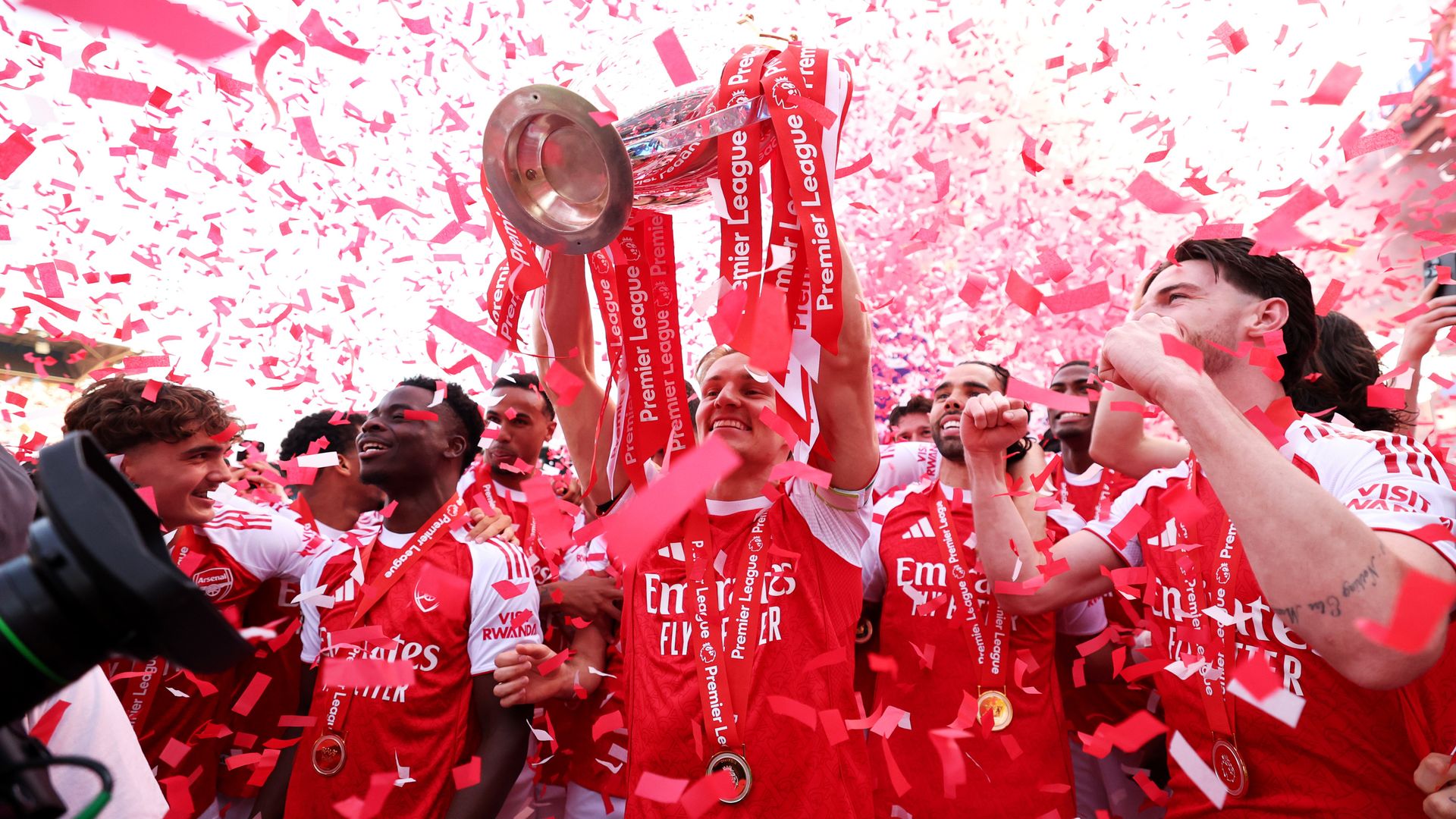
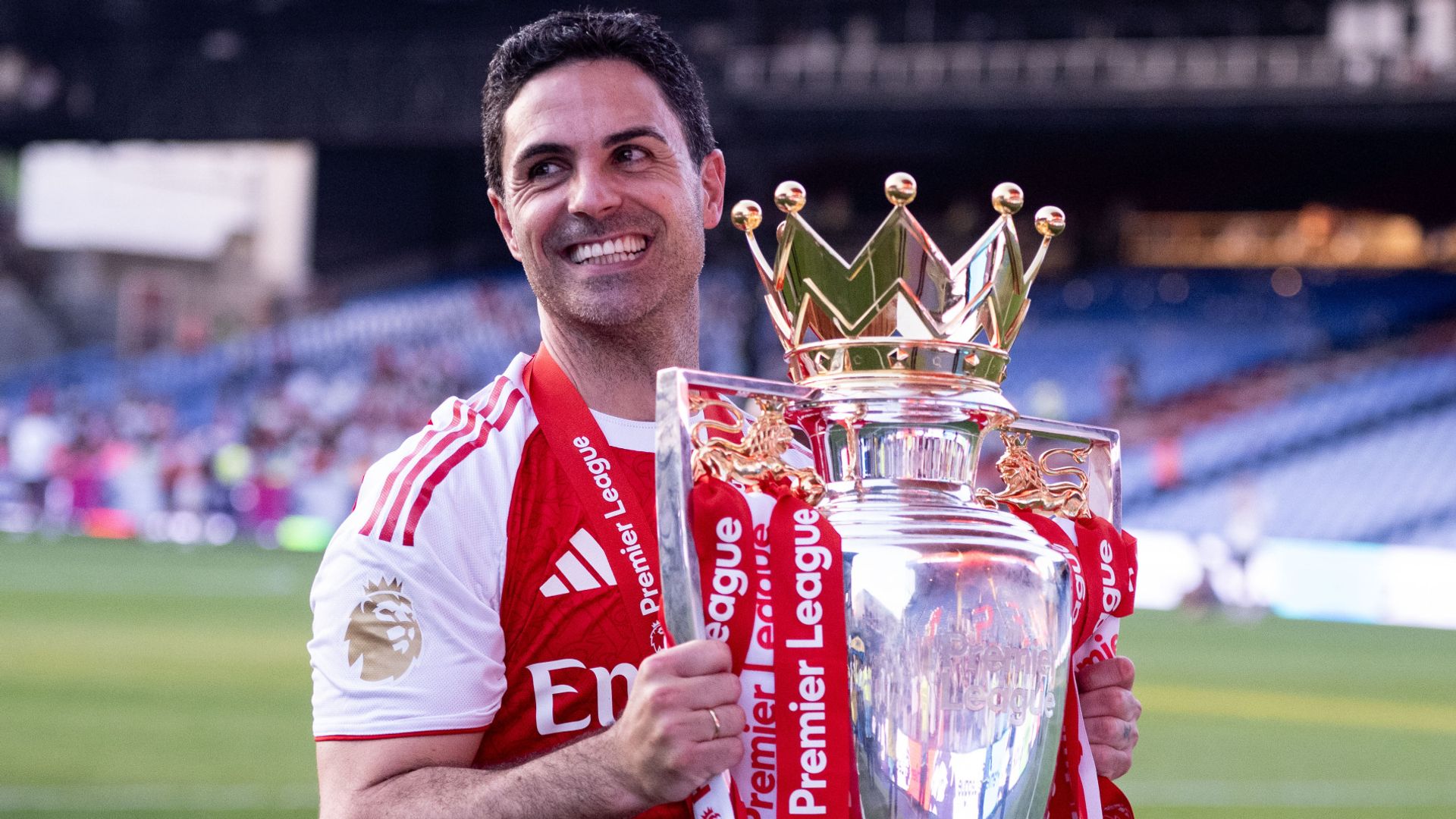
Arsenal’s Premier League triumph in 2026, built on Mikel Arteta’s tactical evolution and Martin Ødegaard’s leadership, is a magnificent achievement. But it papers over a transfer strategy that is dangerously reliant on the academy conveyor belt — and that belt is fraying.
The golden generation that hides the cracks
Bukayo Saka, Emile Smith Rowe, and now Ethan Nwaneri — each a beacon of Hale End’s output. But consider this: since 2008, only six Academy graduates have made over 50 Premier League appearances for Arsenal. The rest have been sold, loaned, or lost. Compare that to Manchester United’s Class of ’92, or even Tottenham’s recent production of Harry Kane and Oliver Skipp. The difference is that those clubs supplemented their youth with proven talent; Arsenal have tried to buy the future while mortgaging the present.
In the last three transfer windows, Arsenal have spent £200m on players under 23: Fabio Vieira, Leandro Trossard (25, but signed as a stop-gap), Jakub Kiwior, Jorginho (30, a veteran), and Kai Havertz (24). The average age of their senior squad now is 24.7 — the youngest in the top six. Youth is exciting, but it is also brittle.
The argument: Arsenal have swapped recruitment for a roulette wheel
Arteta’s project is built on a foundation of potential, but the supporting pillars are hollow. The club’s transfer model — buy high-upside youngsters, hope they develop — has created a squad that is two injuries away from crisis. The evidence is clear:
- Last season, when Saka missed six weeks with a hamstring strain, Arsenal won only two of seven league games. No other winger in the squad averaged more than 0.8 key passes per 90.
- In central defence, Gabriel and William Saliba have started 80% of league games together. Behind them, Kiwior and Ben White (a converted full-back) offer little elite cover.
- And in midfield, Declan Rice is the only proven defensive presence; Thomas Partey’s injuries have reduced him to a cameo role, while Jorginho is post-prime.
The counter-argument: This is exactly how Ajax and Dortmund do it
Critics will say Arsenal are emulating Borussia Dortmund’s model — buy young, develop, and profit. But Dortmund have never won the Bundesliga with that approach alone; they sell their best players (Haaland, Bellingham) to balance the books. Arsenal, by contrast, have kept Saka, Smith Rowe, and Martinelli — and still spent heavily on youngsters, creating a squad top-heavy with potential but short on peak performers.
The steel-man case: Arsenal’s academy is a revenue stream. Selling the likes of Joe Willock and Ainsley Maitland-Niles for £50m combined funded the Rice move. But that’s a one-time trick. The academy cannot sustain a title challenge every season, especially as top clubs poach their best prospects (see: Omari Benjamin to Chelsea).
Verdict: The next two windows will define Arteta’s legacy
My prediction: Arsenal will win no major trophy in the next three seasons unless they buy two proven starters — a left-sided forward and a central midfielder — this summer. The Hale End fairy tale is real, but it cannot be the only story. If they stick with the current approach, the 2026 title will be remembered as a glorious anomaly rather than the start of a dynasty.
Related Articles
Filed under: Opinion | LA Premier League Home