
The market doesn't lie—the owners do
Vinicius Junior is available for £120million this summer. Arsenal, Liverpool, Manchester United all interested. But the real scandal isn't the price—it's that Premier League ownership models have made such a figure both rational and ruinous.
From Thatcherite austerity to petrodollar hedonism
The Premier League was born in 1992 as a breakaway for the rich. Thirty years later, the breakaway has become a cartel. In 1992, the average club was locally owned. Now, 14 of 20 clubs are controlled by foreign capital—states, hedge funds, or private equity. The Football Association's own 2023 report showed that Premier League clubs carried £4.7billion in net debt, while revenue hit £6.1billion. That's not a virtuous circle—it's a leverage spiral.
Consider this: in 2012, Manchester United had £437million in net debt on revenues of £363million. A decade later, debt had risen to £969million on revenues that had tripled. That's not financial discipline—that's extracting value from an asset while pretending to compete.
The Ponzi scheme that FFP defends
Everton's 10-point deduction for breaching Profit and Sustainability Rules was painted as justice. It was theatre. The real punishment is reserved for clubs that spend their own money—like Everton, whose owner Farhad Moshiri pumped £450million of his personal fortune into the club—while state-owned Manchester City and Newcastle United can spend sovereign wealth without triggering a single PSR alarm. City's 115 outstanding charges for alleged financial breaches remain unadjudicated, four years after the investigation began. The system is not broken; it was designed this way.
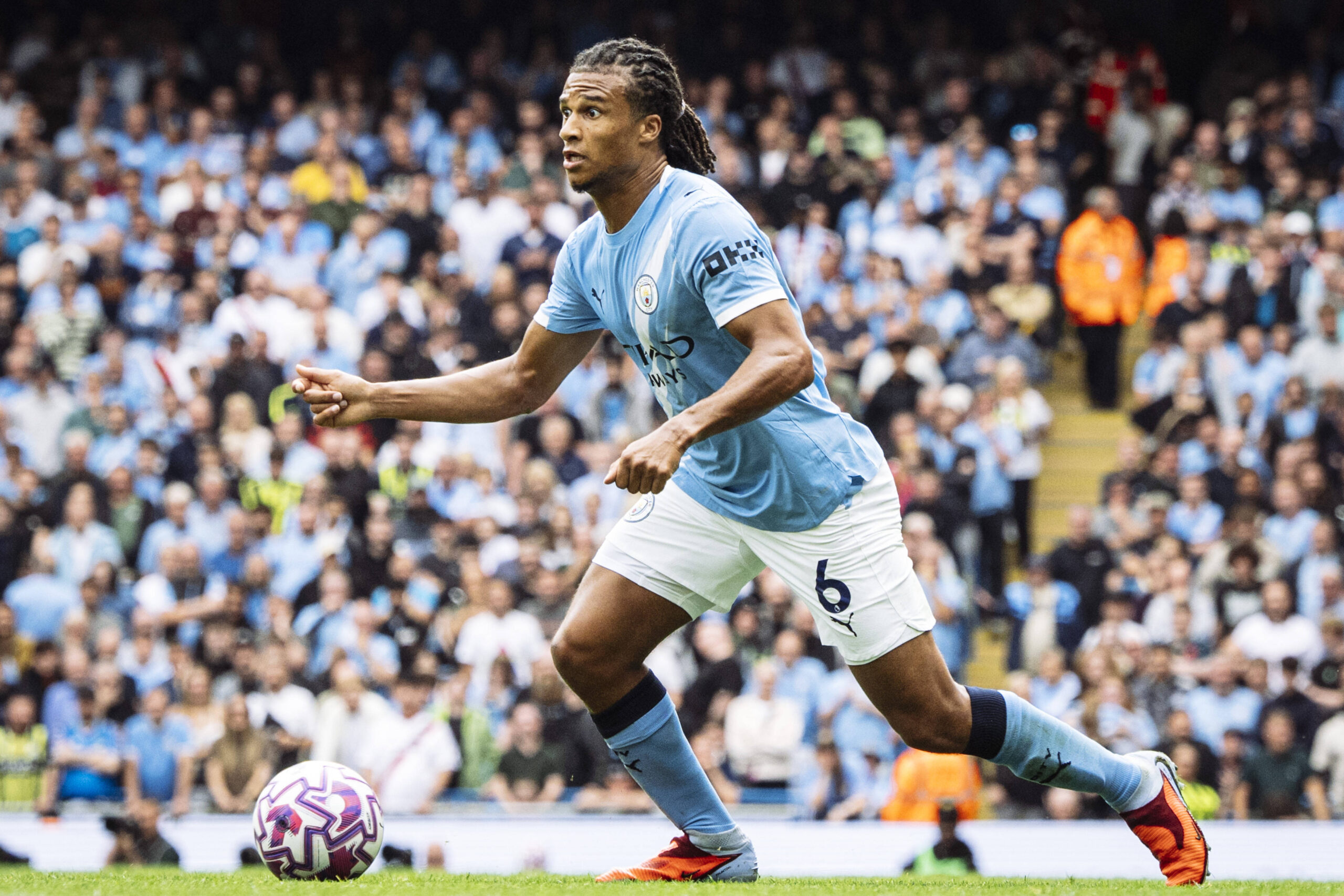
- Manchester City's Etihad sponsorship is worth £67.5million a year—a figure that accounts for 22% of club revenue yet is controversially linked to Abu Dhabi ownership.
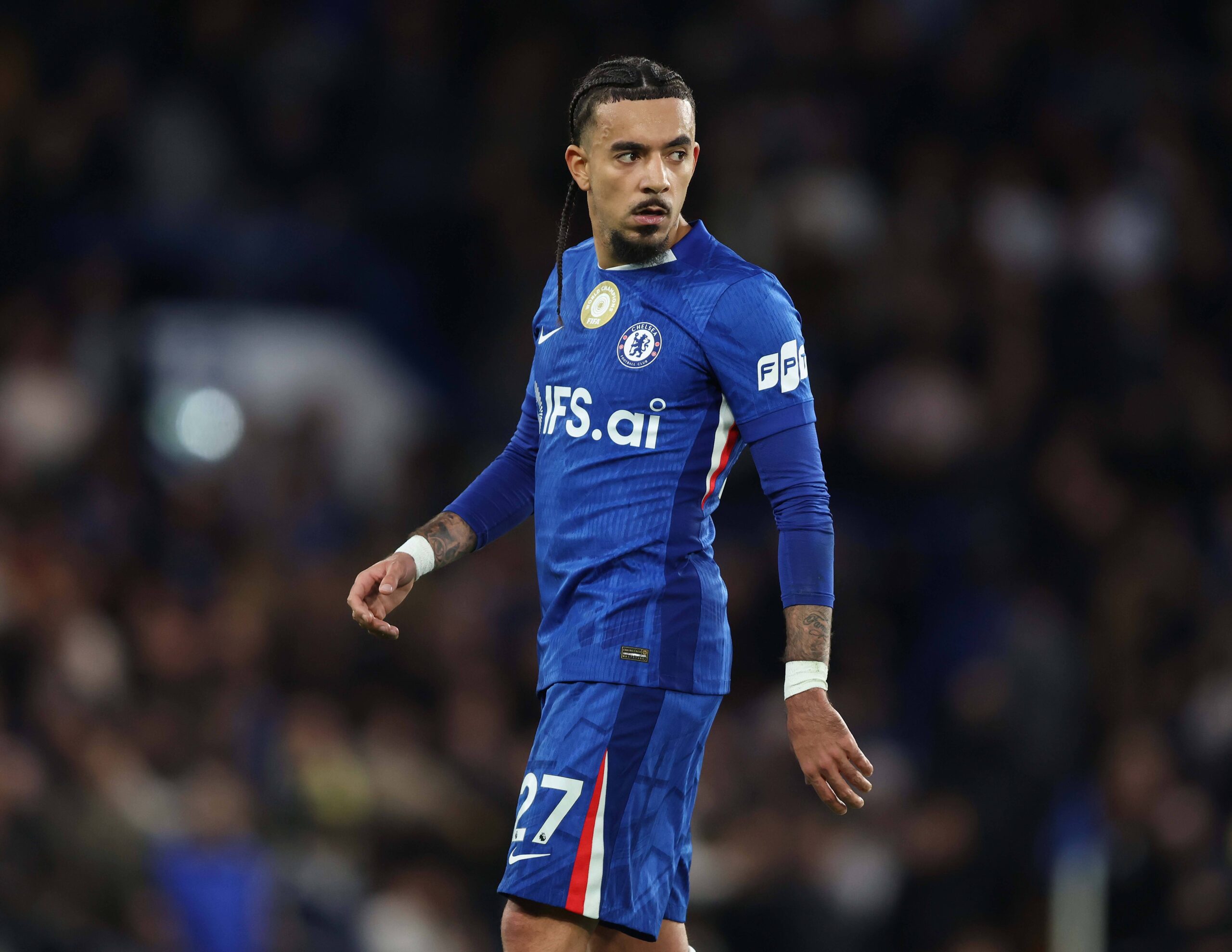
- Chelsea under Clearlake Capital has sold £400million worth of academy graduates since 2022—turning homegrown talent into pure profit under Premier League rules, while the first team stagnates.
- Manchester United paid £215million in interest and financing costs over the last five years—money that directly reduced the playing budget.
“But owners invest in infrastructure too”
True. Tottenham's stadium cost £1.2billion and is a marvel. Arsenal's Emirates generates £100million a year in matchday revenue. But these are exceptions that prove the rule. Most stadium investments are financed by debt secured against future broadcast income—the same broadcast income that may peak when the next domestic rights deal is negotiated in 2025. If the bubble deflates, the clubs with the highest leverage—Manchester United, Tottenham, Everton—will be exposed.
The counter-argument that owners provide stable management is also false. Newcastle's Saudi-led takeover replaced a dysfunctional regime with one that has already spent £400million on players. But the source of that spending—the Public Investment Fund—is not subject to the same market disciplines as a publicly traded company or a family-owned business. When the PIF decides Newcastle's project is no longer strategic, the club will be left with high wages and no sovereign backstop.
Vinicius Junior will sign for Manchester City—and the charade will continue
By July 2025, Vinicius Junior will be a Manchester City player. Not because City need a winger—they have Phil Foden, Jeremy Doku, and Savinho—but because the logic of the market demands that petrodollar clubs absorb the finest talent to justify their existence. The transfer fee will be reported as a triumph of ambition. In reality, it will be a sign that the Premier League's ownership model has reached its logical endpoint: a league where financial sustainability is a fiction, and the only thing that matters is whose sovereign wealth fund blinks first.
Related Articles
Filed under: Opinion | LA Premier League Home