
It's Not About the Money, It's About the Method
When Chelsea and Manchester United chase the same £65m striker and £43m defender, they're not competing for talent — they're admitting identical strategic bankruptcy. Their academies churn out prospects, yet both clubs keep buying other people's finished products, paying premium after premium, and still ending up mid-table or worse. The problem isn't recruitment; it's the philosophy behind it.
From Carrington and Cobham to the Scrapheap
Manchester United's academy has produced Rashford, Garnacho, and Mainoo—genuine talents. Chelsea's loan army has generated billions in profit and fielded James, Mount, and Gallagher. Yet neither club has built a spine from this production line for over a decade. United's last true homegrown core was the Class of '92; Chelsea's was the Abramovich-era golden generation under Terry and Lampard. Since then, they've both splurged on big names to fill voids they themselves created.
Compare Liverpool. Their last pre-Klopp title challenge, under Brendan Rodgers, was anchored by Sterling, Sturridge, and Coutinho—signings, sure, but not galacticos. Under Slot and Klopp, they've bought smart: Robertson from Hull, Salah from Roma, Van Dijk from Southampton. The difference isn't budget; it's the willingness to shop at the right aisles and develop. No wonder Liverpool's fans chant about the 'Liverpool Way' — it still exists as an ethos, not just a slogan.
The Short-Termism Trap
United's interest in Osimhen at £65m is a knee-jerk reaction to a single striker shortage. But what does it solve? Hojlund, bought for £72m, is still there. Chelsea, meanwhile, are reportedly chasing Scalvini and Chavarria while they already have Colwill, Fofana, and Badiashile. Xabi Alonso's rebuild is adding defenders without addressing the lack of a defined midfield pivot or a reliable No. 9. They are treading water while pretending to swim.
- Osimhen at £65m: a one-dimensional striker whose value will collapse at 29, repeating United's Lukaku error.
- Chavarria at €40m: a right-back when Reece James and Malo Gusto exist, showing Chelsea's scouting is reactive, not proactive.
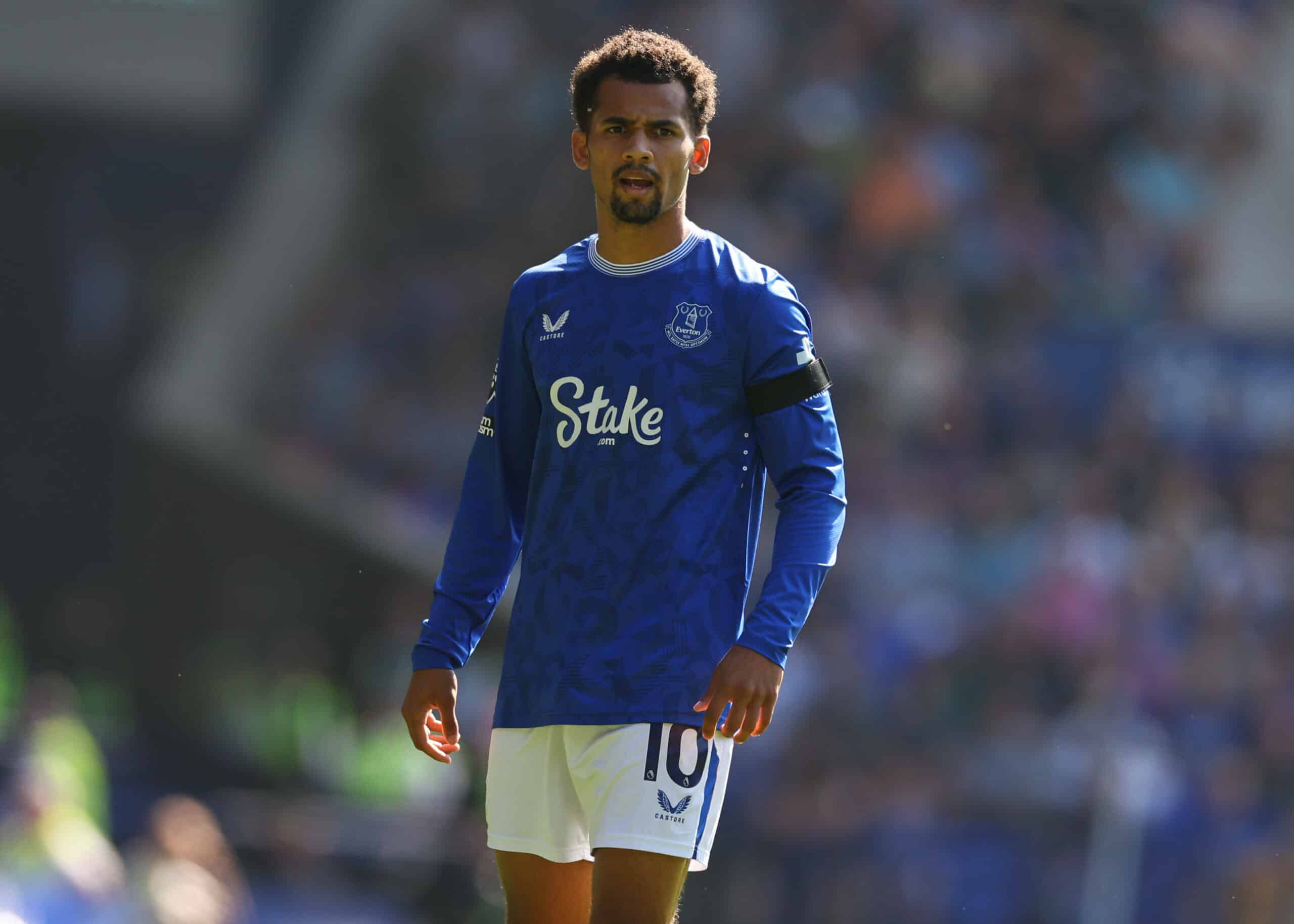
- Ndiaye at £75m: a player Everton bought for £15m two seasons ago, proving both clubs pay 'Premier League tax' and nothing else.
The paradox: these clubs have the money to buy whatever they want, but they can't buy patience. Every window, they chase the same players as their rivals, driving up prices, and then wonder why they can't build a cohesive unit. The answer, consistently ignored, is that successful squads are built on a blend of homegrown core and targeted, value-driven signings — not on Galatasaray's inflated valuations.
“But They Need Experienced Winners” — Actually, They Need a System
The counter-argument: these clubs are under such immense pressure to qualify for the Champions League that they cannot gamble on youth. Yet Liverpool, Chelsea's greatest rivals, just finished third with an average age of 25, relying on academy graduates Jones, Elliott, and Alexander-Arnold. They also spent £60m on Gakpo and £50m on Nunez — expensive, but each had a clear role. United's and Chelsea's signings often lack that clarity: is Osimhen a target man or a runner? Is Scalvini a centre-back or a midfielder? No one knows, because the clubs sign players before they decide how to play.
Real Madrid, the gold standard, buy only when they have a plan: they signed Valverde, Vinicius, and Rodrygo as teenagers, and they'll do the same with Endrick. Meanwhile, Man Utd's pursuit of Rashford's replacement (or his exit to Turkey) suggests they see transfers as firefighting, not forwards planning. Chelsea's recruitment under Todd Boehly has been a revolving door—over 30 signings in three windows—with no discernible tactical identity. That's not a rebuild; that's a tantrum.
A Falsifiable Prediction
By the end of the 2025-26 season, neither Osimhen nor Scalvini will be regular starters for their new clubs, and both will be deemed overpriced disappointments. Meanwhile, a player like Ndiaye, if he joins Arsenal or Spurs, will flourish because those clubs have a defined system and a clear pathway for a dynamic forward. The data, the history, and the structural common sense all point to one conclusion: the era of the £100m panic buy is dying. The next great Premier League dynasty will be built on youth, patience, and a coherent plan — not on whoever is available in June. If United and Chelsea keep ignoring that, they will be locked in mediocrity, not because they lack funds, but because they lack a method.
Related Articles
Filed under: Opinion | LA Premier League Home