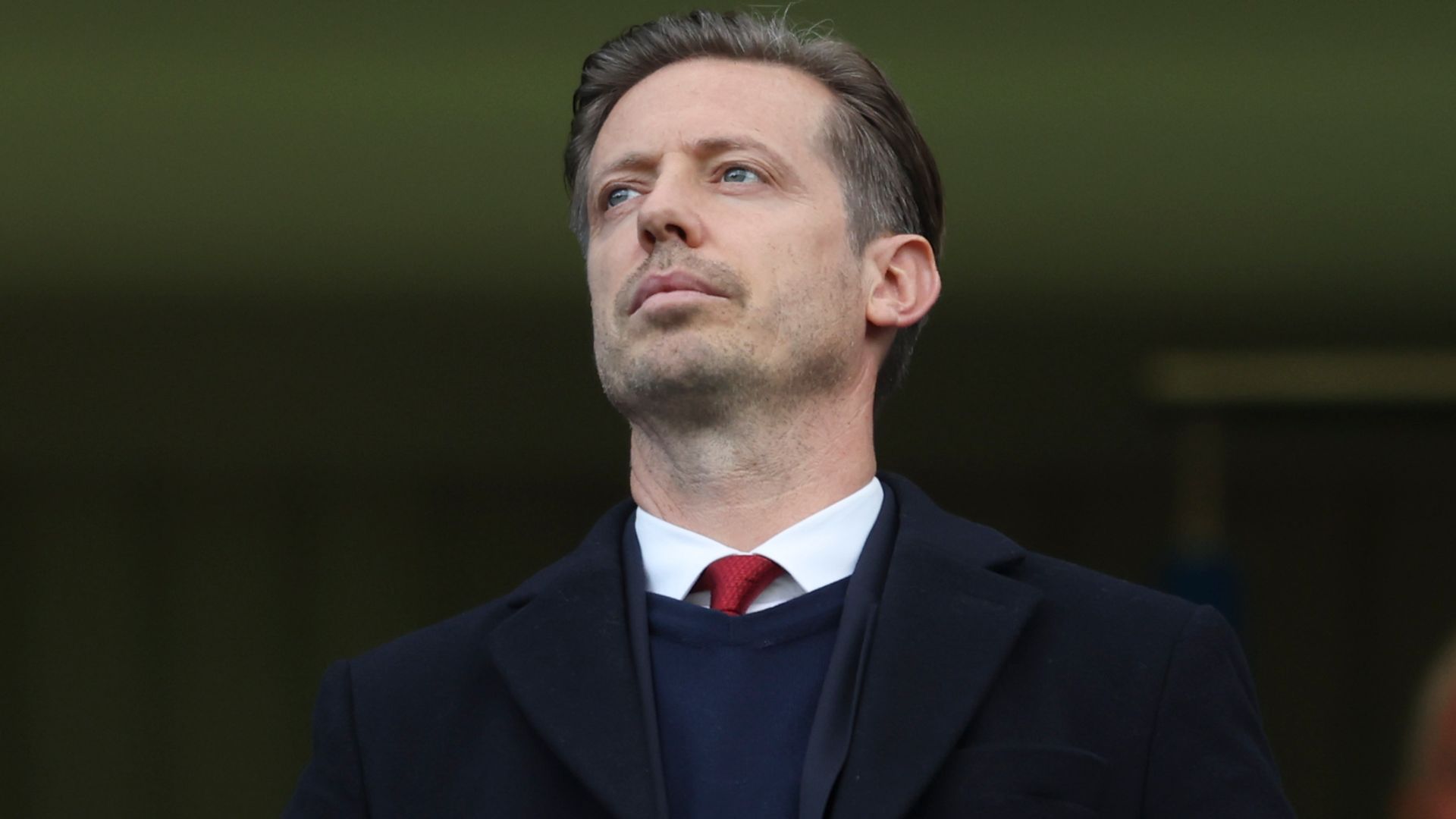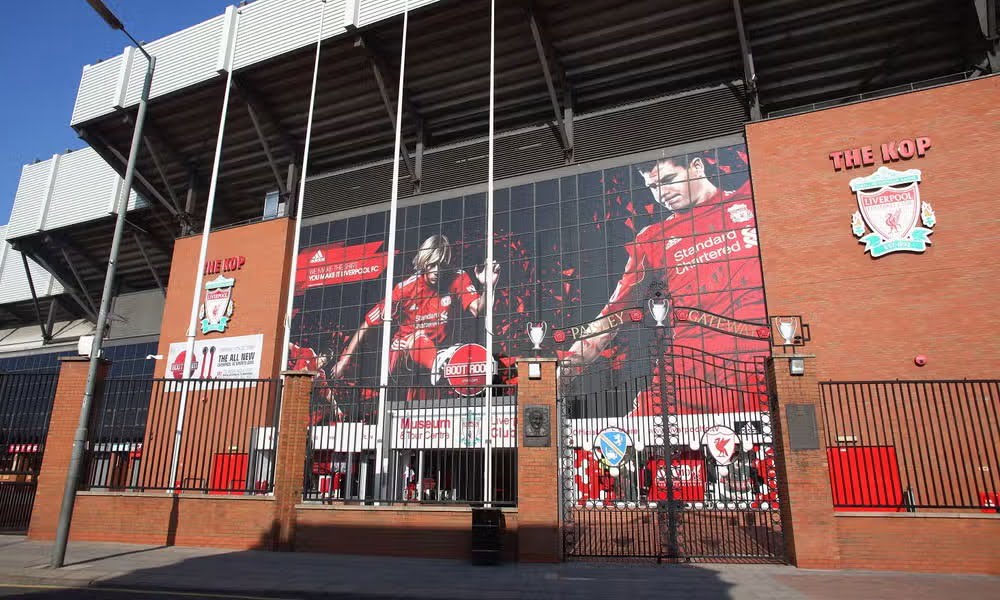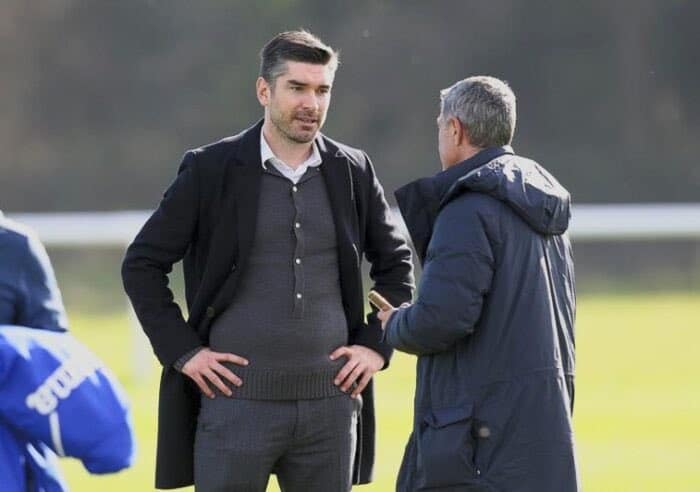
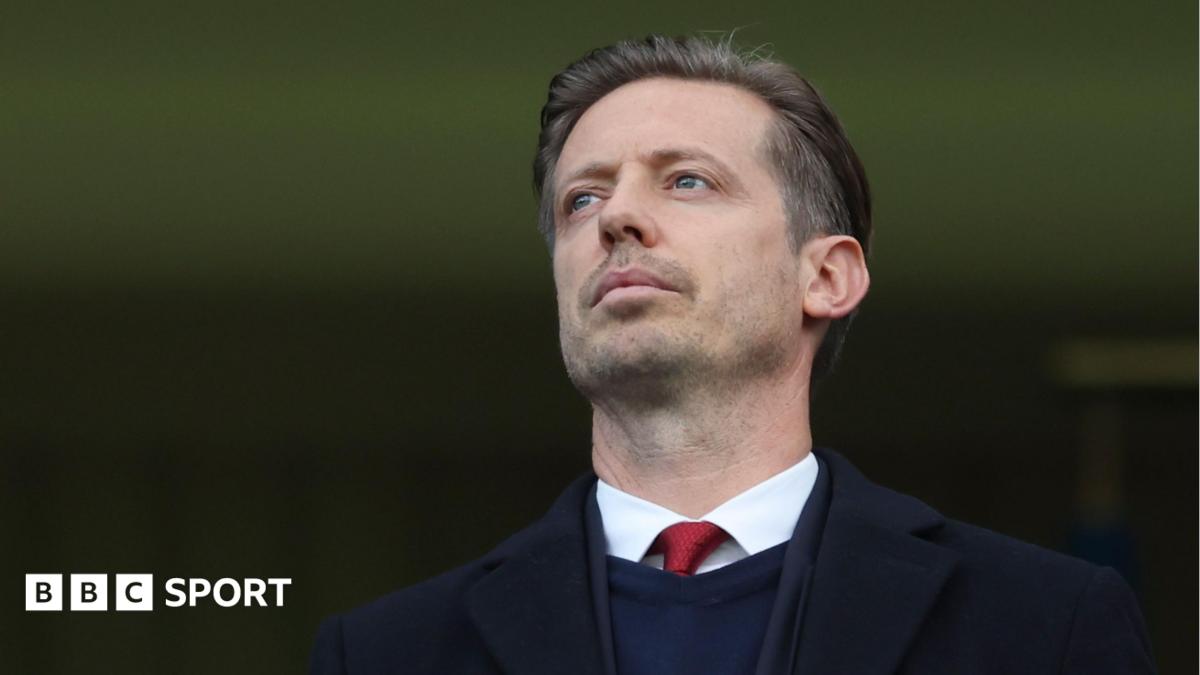
Michael Edwards Leaves FSG Role: What It Means for Liverpool and Fenway Sports Group
Fenway Sports Group (FSG), the owners of Liverpool Football Club, have announced the departure of Michael Edwards from his position as chief executive of football. Edwards, who previously served as Liverpool's sporting director, had returned to the FSG fold in a broader capacity that oversaw football operations across the group's portfolio.
His exit marks a significant shift in the executive structure at FSG, which has overseen Liverpool's transformation into a consistently competitive force in the Premier League and European football. Edwards was instrumental in building the data-driven recruitment model that delivered success under manager Jürgen Klopp.
Context and Background: Edwards' Role in Liverpool's Modern Success
Edwards first joined Liverpool in 2011 as head of analytics before becoming sporting director in 2016. During his tenure, the club secured the Premier League title in 2019-20 and the Champions League in 2019. His approach to transfers—emphasising statistical analysis and value-based recruitment—yielded key signings including Mohamed Salah, Sadio Mané, and Virgil van Dijk, all of whom became world-class performers.
After leaving the sporting director role in 2022, Edwards took a break from football before returning to FSG as CEO of football in 2023, tasked with overseeing the group's multi-club strategy. That strategy included investments in other clubs, though specific details were not disclosed.
The departure of Edwards raises questions about the continuity of FSG's football operations. His analytical methods were credited with giving Liverpool an edge in identifying undervalued talent, and his exit could see a reorganisation of responsibilities at board level.
Impact and Analysis: How This Affects Liverpool's Structure
For Liverpool, Edwards' departure removes a key figure from the leadership hierarchy, although the club has already transitioned to a new football operations setup. Current sporting director Jörg Schmadtke and manager Arne Slot—who succeeded Klopp in 2024—will likely assume greater authority in transfer dealings.
The FSG model has long relied on a collaborative structure where analytics and scouting overlap. Edwards' expertise in balancing financial sustainability with on-pitch ambition will be missed, particularly as the club looks to refresh an ageing squad. Liverpool's recent spending has been measured, and Edwards was often the architect behind out-of-the-box moves that yielded high returns.
From a tactical perspective, the squad building philosophy Edwards championed—favournng versatility and athleticism—has shaped the current roster. Without his oversight, there may be subtle shifts in transfer policy, though FSG's overall commitment to data-driven decisions is unlikely to waver.
- Edwards' departure removes a key liaison between FSG's ownership and Liverpool's football staff.
- The club's analytics department, which Edwards helped build, remains in place to inform future decisions.
- Liverpool's transfer strategy may lean more heavily on Schmadtke and Slot's preferences in the short term.
What's Next for FSG and Liverpool
FSG have yet to announce a replacement for Edwards or indicate how his responsibilities will be redistributed. The group's multi-club ambitions—evident in their minority stake in other football enterprises—may now require a new lead. For Liverpool, the immediate focus remains on the Premier League season, where they are competing for a top-four finish. The club's next transfer window will be the first test of a post-Edwards recruitment structure. With key decisions looming on player contracts and potential summer signings, Liverpool's hierarchy faces a defining period without their chief football architect.
Related Articles
Filed under: Club News | LA Premier League Home