Manchester United unveil site for new 100,000-seat stadium
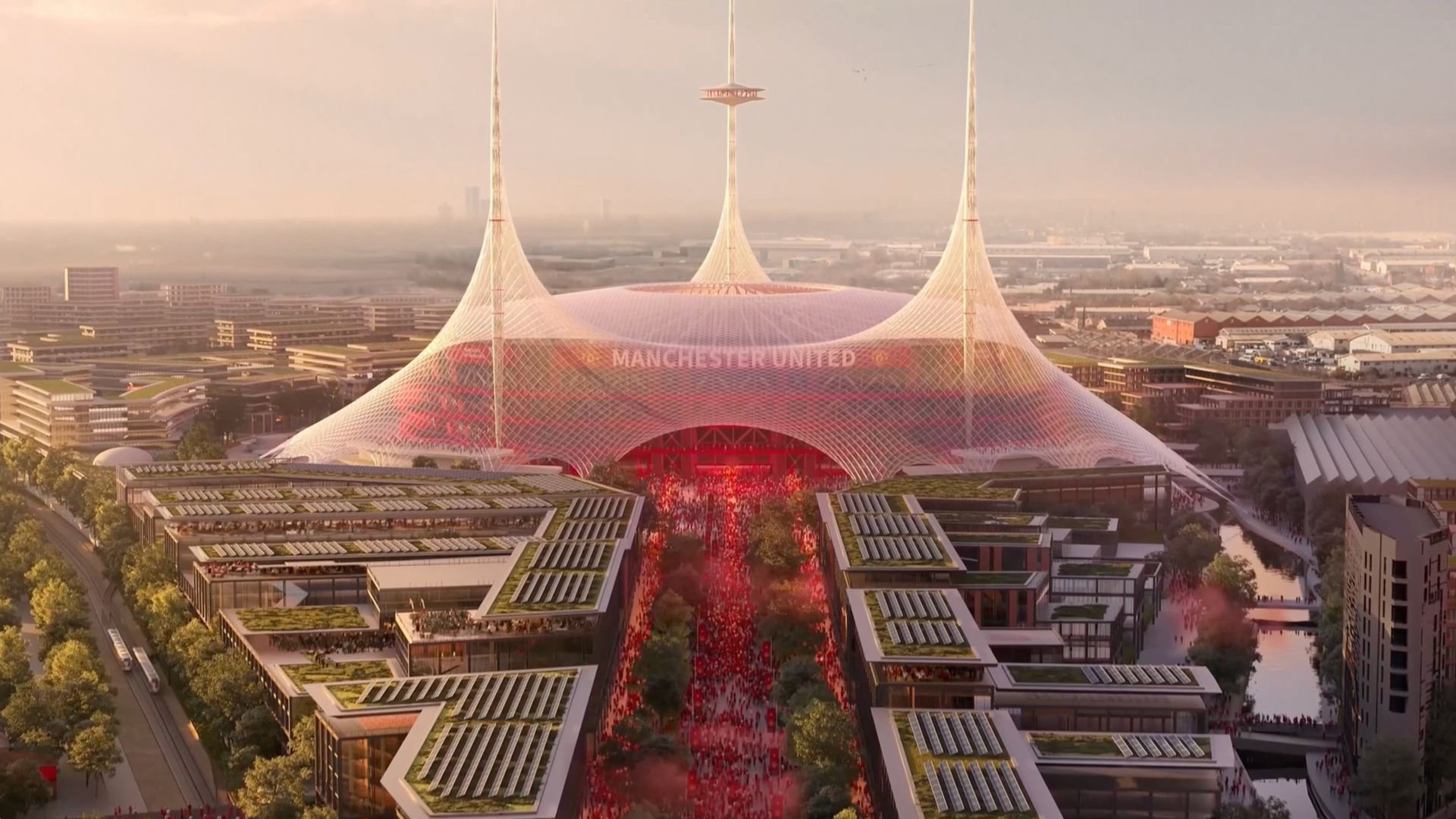
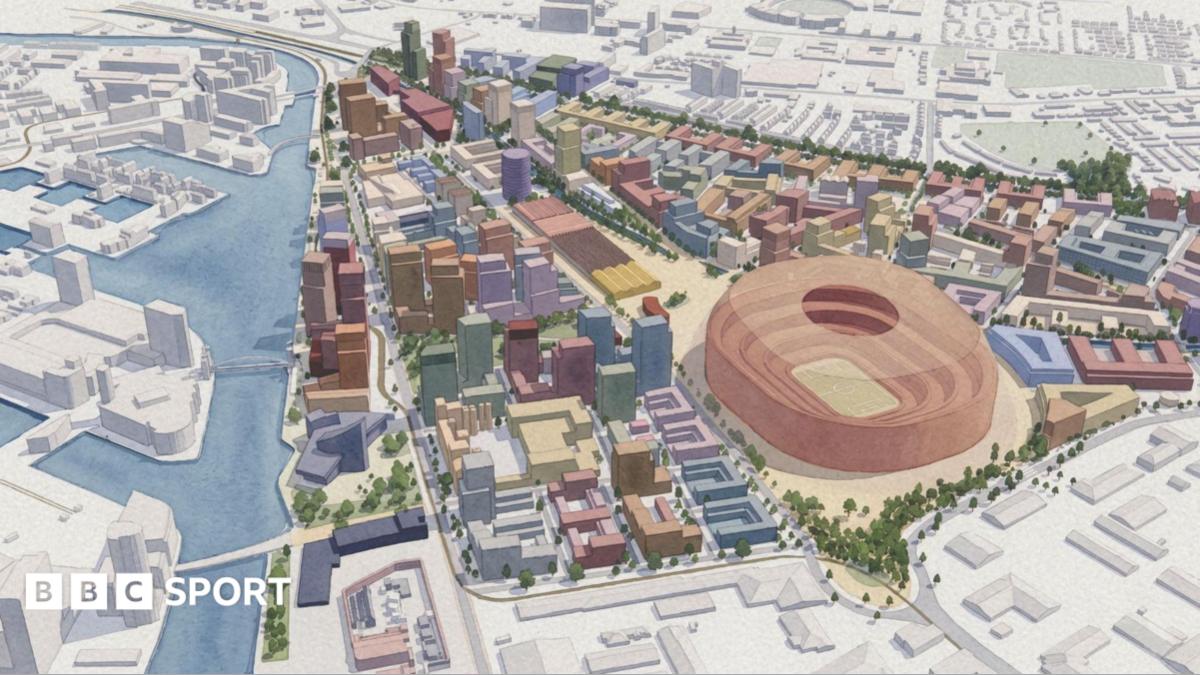
Manchester United have disclosed the location for their proposed new 100,000-seater stadium, situated approximately 350 metres north-west of their historic Old Trafford home. The announcement marks a significant milestone in the club's long-term infrastructure planning.
Context and background
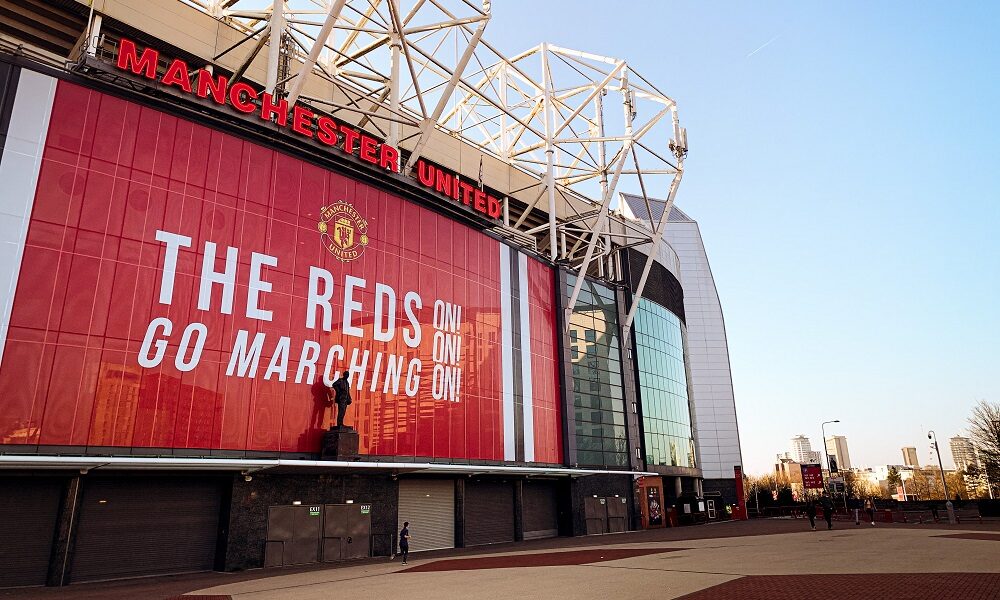
The decision to build a new stadium rather than redevelop Old Trafford signals a major strategic shift for the Premier League giants. Old Trafford, with a current capacity of 74,310, has been the club's home since 1910. However, increasing competition from modern venues like Tottenham Hotspur Stadium and the Emirates has prompted a need for a state-of-the-art facility.
The new site, just a short walk from the existing ground, allows the club to maintain its geographical heritage while delivering a significant capacity increase. A 100,000-seater stadium would make Old Trafford not only the largest club stadium in England but also one of the largest in Europe, surpassing Camp Nou's planned capacity.
Financially, the project is expected to boost matchday revenue substantially, with increased hospitality and premium seating options. The club's recent commercial performance has been strong, with record revenues reported in the last fiscal year, partly driven by global fan engagement.
Impact and analysis
The move is a clear statement of intent from Manchester United's owners, the Glazer family, who have faced criticism in the past for perceived lack of investment in infrastructure. The new stadium will likely be part of a broader regeneration of the Old Trafford area, potentially attracting investment and creating jobs.
- Capacity increase: From 74,310 to 100,000, adding over 25,000 seats and potentially increasing matchday revenue by £50-70 million per season based on average ticket prices and hospitality.
- Fan experience: Modern amenities, improved sightlines, and enhanced connectivity could elevate the matchday experience, helping retain season ticket holders and attract new fans.
- Architectural ambition: The club has not yet revealed design details, but a 100,000-seater requires innovative engineering. The project could become an iconic landmark similar to Wembley Stadium.
From a tactical perspective, a larger home crowd could provide a psychological boost to players, creating a more intimidating atmosphere for visiting teams. Old Trafford has historically been a fortress, and a new stadium with better acoustics could amplify that effect.
Fantasy Premier League managers may not see direct impact, but the improved facilities could aid player recruitment in the long term, as stars are often attracted by world-class infrastructure. For now, the focus remains on the planning and development phase.
What's next?
Manchester United will now proceed with detailed planning applications and consultations with local authorities and fans. The club has not released a timeline for construction, but similar projects typically take 3-5 years to complete. In the meantime, Old Trafford will continue to host matches, including the upcoming Premier League season. The new stadium promises to secure Manchester United's place among the elite clubs globally, but the road ahead is long and requires significant investment.
Related Articles
Filed under: Club News | LA Premier League Home