
The Glazers bought a museum, not a football club
Manchester United's transfer strategy is less a coherent plan and more a curio cabinet of impulsive purchases, each signed to appease commercial partners or pacify a fanbase accustomed to dominance. The result: a bloated squad lacking identity.
From Busby's babes to Woodward's bungles
Once defined by homegrown talent — the Busby Babes, the Class of '92 — United now resemble a finishing school for other clubs' cast-offs. In the nine seasons since Sir Alex Ferguson retired, only three academy graduates (Rashford, McTominay, Greenwood) have become regulars. Compare that to Barcelona's La Masia or even Tottenham's recent production line under Pochettino.
The data is damning. Since 2013, United have spent over £1.5bn on transfers — more than any Premier League club — yet their net spend on players aged 23 or under who became first-team fixtures is under £200m. Chelsea, for all their chaos, have invested in youth with a purpose: they now boast Gallagher, Colwill, James, and Mount as core assets. United have Rashford — and a graveyard of overpriced signings.
The midfield abyss and the Rashford paradox
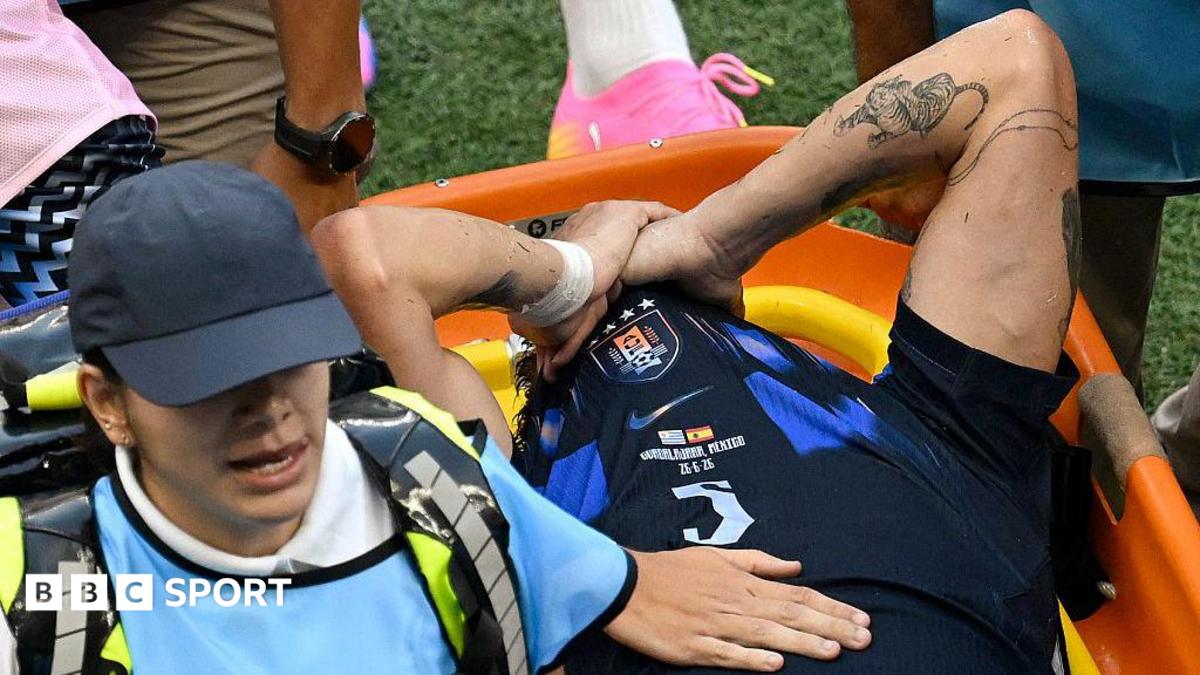
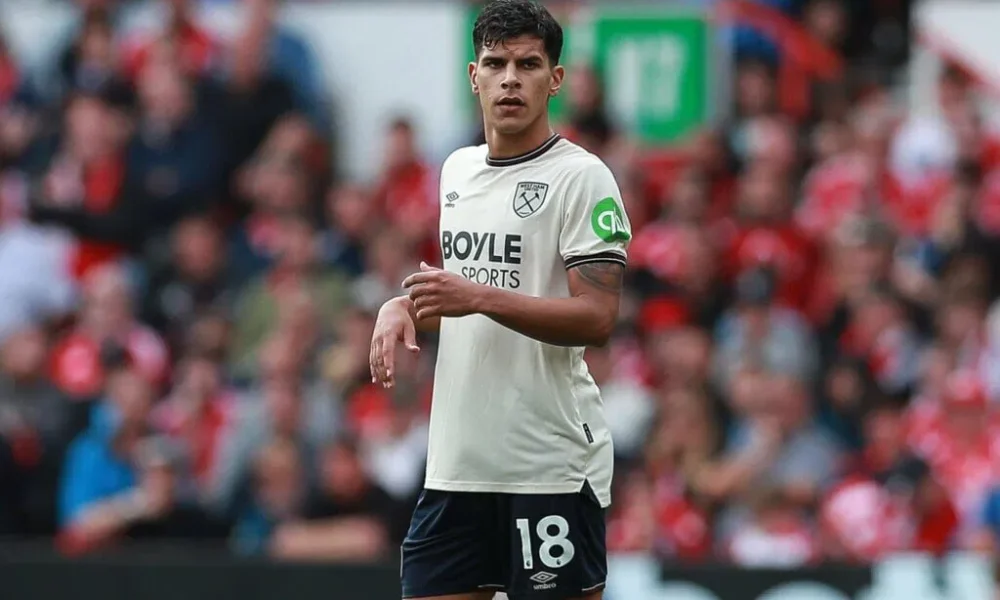
Take the current midfield crisis. Manuel Ugarte's knee injury, suffered on international duty, exposes the brittleness of Ten Hag's engine room. The Uruguayan was meant to be the defensive shield; now United are left with Casemiro's fading legs and Christian Eriksen's lack of pace. The board's response? They pursue Felix Nmecha — a £73.5m release clause target from Newcastle's reject pile — and reportedly chase Folarin Balogun, a striker who left Arsenal for Monaco because he wanted guaranteed minutes. This is not a strategy; it's a series of unrelated wagers.
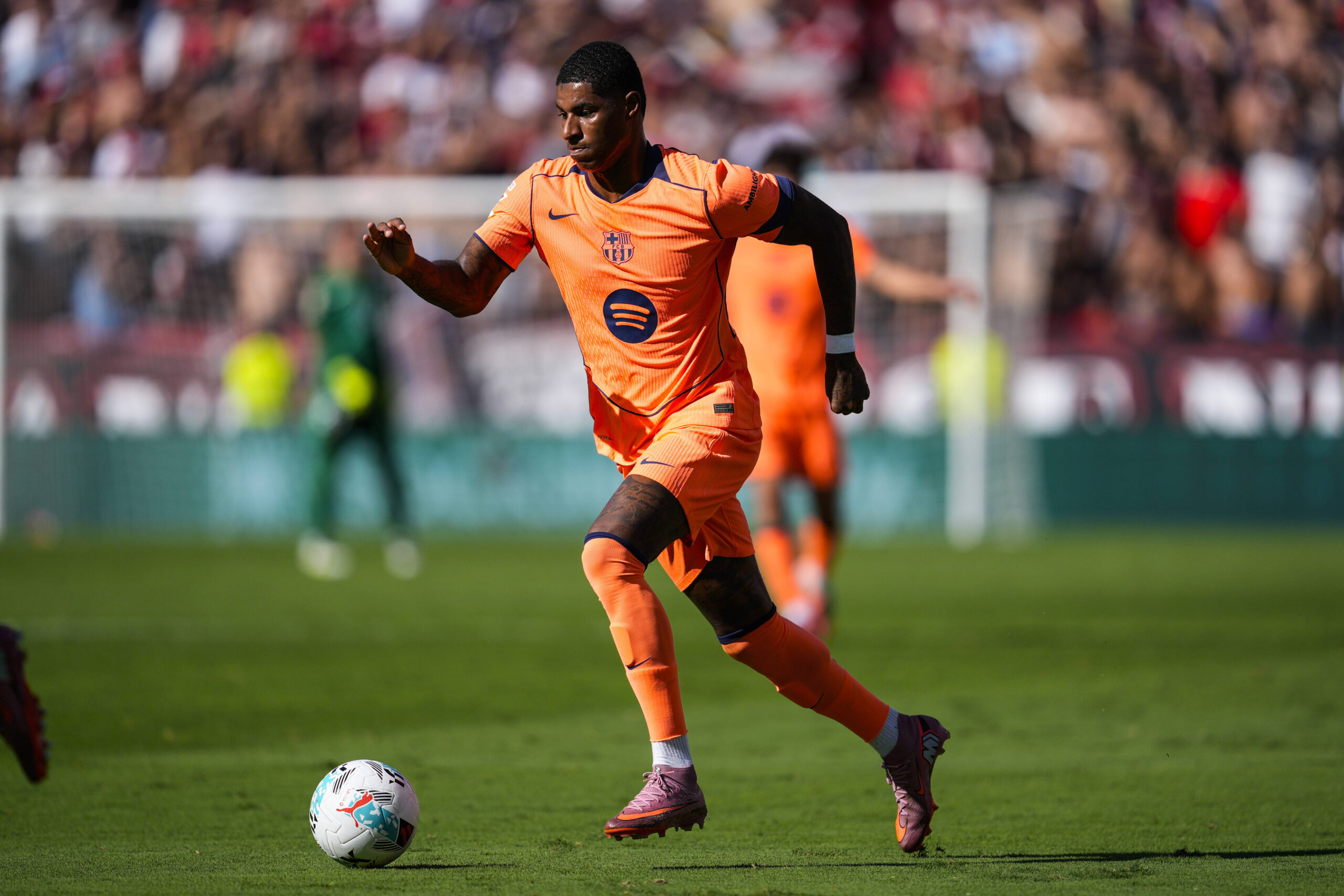
Meanwhile, Marcus Rashford's situation crystallises the confusion. Reports suggest he rejected Tottenham because he favours Barcelona — a club in financial disarray that can barely register new players. Rashford, the academy product, feels more at home at Camp Nou than Old Trafford. That is not a player problem; it is a club problem. When your talisman dreams of leaving, your transfer strategy has failed the culture.
- Historical echo: Arsenal's post-Wenger rebuild under Arteta prioritised culture over star power. They sold Aubameyang, cut Ozil, and built around Saka, Smith Rowe, and Martinelli — all academy or early-stage buys. United continue to bandage players onto a squad with no spine.
- Data point: Since 2019, United have signed 12 players aged 18-23 for fees over £20m. Only three — Amad Diallo, Hannibal Mejbri, and Alejandro Garnacho — have made more than 20 appearances. The rest: loaned, sold, or forgotten.
- Contrast: Brighton's model: buy low, develop, sell high. United's: buy high, play less, sell low. The Ugarte injury is not bad luck; it is the consequence of a roster built on fragile reputations rather than robust profiles.
The counter: 'But we won the Carabao Cup'
Defenders will point to Ten Hag's trophy — the 2023 League Cup — and argue progress. They will say that injuries to Martinez, Shaw, and now Ugarte are anomalous. Yet the underlying metrics persist: United ranked 5th in expected points last season, their xG difference was negative in seven matches, and they conceded 58 goals — the worst among the traditional top six. The trophy masked a structural rot.
Furthermore, the counter ignores the inefficiency in the market. While Arsenal signed Rice for £105m and Odegaard for £30m, United spent £85m on Antony — a winger with four league goals in two seasons — and £70m on Casemiro, who arrived at 30 with a Champions League winner's medal but no resale value. This is not a strategy; it is a casino.
The verdict: Within 18 months, United will sack Ten Hag and begin yet another rebuild
The specific prediction is this: Manchester United will finish sixth or lower in the 2025-26 season, leading to Ten Hag's dismissal in November 2026. The new sporting director will inherit a squad with no coherent identity, a bloated wage bill, and a fanbase finally ready to demand structural change. Until United treat their academy as a strategic asset — not a PR tool — and their transfers as components of a system, not isolated thrills, they will remain a museum of missed meanings. The Glazers bought a brand. They forgot to buy a football club.
Related Articles
Filed under: Opinion | LA Premier League Home