
Manchester City’s Academy Is a Precocious Mirage Hiding a Deeper Rot
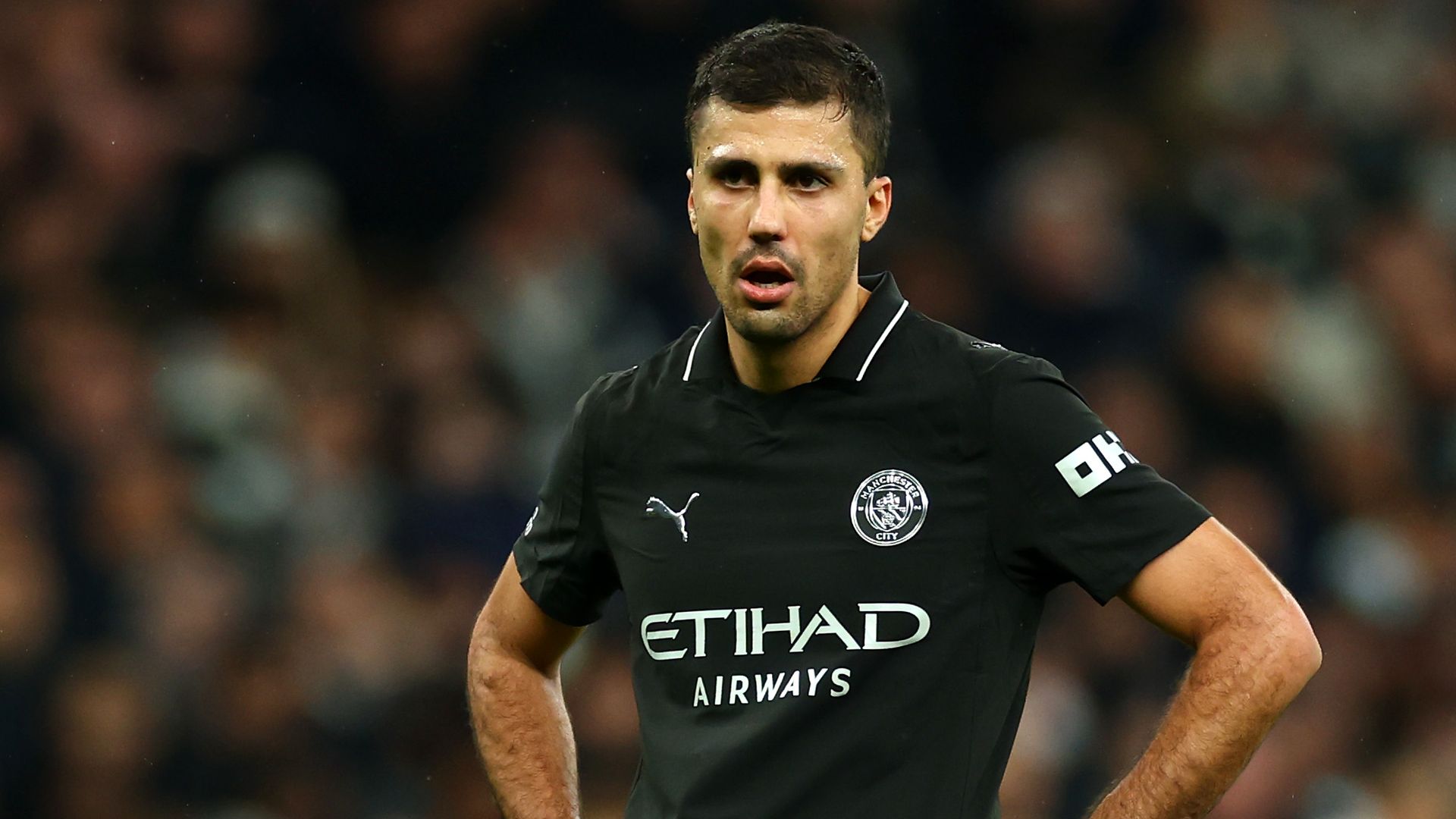
The £100m rejection of their opening bid for Elliot Anderson tells you everything about Manchester City’s youth strategy: a dazzling production line that the first team refuses to trust. The champions are prepared to spend nine figures on a Nottingham Forest midfielder rather than promote from within. That is not a compliment to their academy—it is an indictment of its irrelevance.
The False Dawn of the Etihad Assembly Line
Pep Guardiola has given 134 academy debuts during his tenure—a statistic that sounds progressive until you count how many became first-team regulars. Phil Foden is the poster boy, but he is the exception, not the rule. Cole Palmer forced a move to Chelsea to play. Romeo Lavia and James Trafford left without a single league start. The academy produces talent; the club sells it.
Between 2020 and 2024, City generated over £350m in player sales from academy graduates—more than any Premier League rival. That is a commercial triumph, not a footballing one. The first-team squad has an average age of 26.4, with only five homegrown players in the match-day squad. The pipeline is a shop window, not a ladder.
The £100m Paradox: Why Buy When You Can Breed?
Elliot Anderson is a talented midfielder, but his profile is exactly what City’s academy should produce: technical, versatile, hard-working. Instead of developing their own version of Anderson, City are willing to spend £100m to take Forest's. The logic is inverted: they trust their scouting network overseas more than their own youth coaches.
- City spent £51m on Savinho, a winger who turned 20 in April, while letting 21-year-old James McAtee leave on loan for the third consecutive season.
- They pursued Declan Rice for £105m when Kalvin Phillips—a £42m signing—was already on the books. The academy midfielder Lewis was not considered a viable alternative.
- Their record signing is Jack Grealish, a 26-year-old winger, while 22-year-old Oscar Bobb remains a peripheral figure despite superior pre-season form.
The pattern is clear: the academy is for profit, not for purpose. The first team buys ready-made solutions from Europe while the kids rot on loan or in the transfer market.
The Counter-Argument: Not All Academies Can Supply Champions
One could argue that Guardiola’s system demands elite execution; academy products rarely possess the tactical maturity to perform in a title-winning machine. Yet Liverpool’s Trent Alexander-Arnold, Curtis Jones and Harvey Elliott; or Manchester United’s Garnacho and Mainoo—these players became starters at rivals. Why can’t City’s academy produce the same? Because the club chooses not to integrate them.
The rebuttal is simple: City’s under-23s have won three of the last four Premier League 2 titles. They are producing talent—just not for themselves. The club prioritises financial fair play efficiency over player development. Selling homegrown players counts as pure profit, so the board incentivises selling, not retaining. That is a perverse system that rewards the failure to integrate.
Verdict: City Will Regret Abandoning Their Best Asset
By June 2026, if City have not promoted at least one academy graduate to a starting role in midfield or attack, they will find themselves in a familiar predicament: spending nine figures on a player they could have grown themselves. The £100m Anderson saga is not a one-off—it is a symptom. The academy will keep producing, the board will keep selling, and the first team will keep buying. And one day, the well will run dry.
Related Articles
Filed under: Opinion | LA Premier League Home