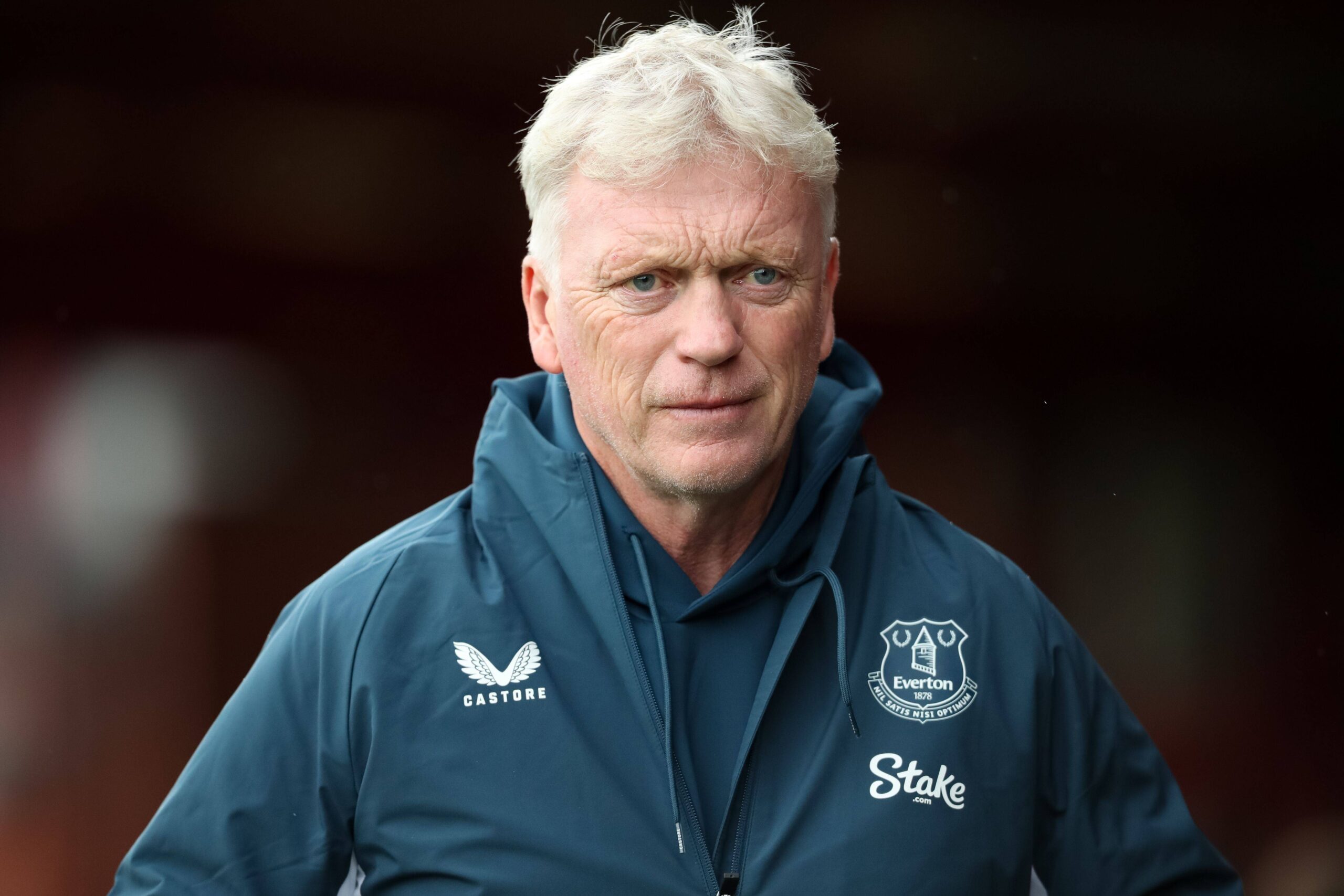

FFP is not a rule of fairness. It is a tariff on ambition, coded in the language of sustainability.
When Everton and Nottingham Forest were docked points this season, the Premier League’s PR machine spun it as a victory for financial integrity. In truth, it was the latest act of a cartel protecting itself from disruption. Financial Fair Play has never been about ensuring clubs don’t go bust—it is about ensuring the rich stay rich.
The lost purpose: from solvency to supremacy
Originally conceived by UEFA in 2009, FFP was sold as a mechanism to prevent clubs from spending beyond their means—a response to Portsmouth’s collapse and the near-death of Rangers. The idea was noble: no more reckless owners leaving creditors in the lurch. But somewhere between Platini’s spreadsheet and the Premier League’s profit and sustainability rules (PSR), the goalposts moved. Now, the rules don’t just scrutinise losses; they calcify the hierarchy.
Consider this: Between 2018 and 2023, the combined net spend of the so-called Big Six exceeded £3bn. Not one of them received a points deduction. Meanwhile, Everton—a club burdened by a mismanaged stadium move and an owner’s Cuban cigars—lost 10 points in two separate seasons totalling an eight-point effective hit (6 + 2, after appeal reductions). Nottingham Forest, newly promoted and attempting to build a squad capable of surviving, lost four. The message is clear: spend like a giant and you get a slap on the wrist. Spend like a minnow trying to grow and you get the guillotine.
The numbers don’t lie—they’re just selectively enforced
Let’s get specific. Manchester City have 115 outstanding charges for alleged financial breaches, many dating back a decade. The hearing is imminent. Yet City continue to compete, sign £100m players, and win trebles. Chelsea, under Todd Boehly, amortised £1.5bn in transfer fees over eight-year contracts—a loophole now closed—and posted a pre-tax loss of £486m in 2023 alone. Their only penalty? A fine. A fine for a club that finished 10th and still managed to spend £400m. Meanwhile, Forest’s breach was £34.5m—a figure dwarfed by the commercial activities of the elite. The Premier League’s own rules allow losses of £105m over three years, but that figure has been devalued by inflation since its introduction. In real terms, it’s closer to £80m now. Yet the elite still sail past it with impunity.
- Everton’s effective deduction: 8 points for a £124.5m overspend — about 1 point per £15.6m.
- Forest’s deduction: 4 points for a £34.5m overspend — about 1 point per £8.6m.
- Chelsea’s fine: £0 in points for a £486m loss — a fine of approximately £0 per £1m.
The asymmetry is grotesque. The scale of penalty is inversely proportional to the scale of the breach. The bigger the club, the smaller the punishment.
The counter-argument: rules are rules, and precedent matters
To play devil’s advocate: the rules are clear, and clubs voted for them. Everton and Forest knew the thresholds. A breach is a breach. And Chelsea’s fine was substantial in monetary terms—£8.75m for failing to submit accurate financial information, separate from the FFP probe. But this misses the point: the rules themselves are rigged. They allow losses up to £105m but also include add-backs for spending on infrastructure, youth, and women’s football. These add-backs favour clubs with established stadiums and academy graduates—i.e., the Big Six. A club like Brighton cannot claim a £500m stadium upgrade because they don’t have one. They cannot claim a £50m academy dividend because their academy hasn’t produced a £100m sale yet. The system rewards those who already have wealth.
Moreover, the enforcement is a joke. The Premier League’s own investigation into City took four years, and the charges were only brought after public pressure. Meanwhile, smaller clubs are processed within a season. The fear is not of breaking rules—it is of being small while doing so.
Prediction: The Great Rebellion and the coming cap
By the end of the 2025-26 season, one of two things will happen. Either a member of the established elite—Arsenal, Liverpool, or Spurs—will be docked points for a technical breach, finally proving the rules apply equally, or the rules themselves will be replaced by a salary cap linked to revenue, as mooted by the EFL. The latter is more likely. The Premier League will adopt a soft cap that ties spending to a percentage of turnover, effectively enshrining the current hierarchy in law. That cap will be set at 70% of revenue, a level only the Big Six can comfortably meet. Leicester, Brighton, and Aston Villa will fall foul within three years. The cartel will be fully legalised, and the myth of competitive balance will be buried alongside the spirit of the game.
Related Articles
Filed under: Opinion | LA Premier League Home