
City’s Academy Is a £100m Mirage That Even They No Longer Believe In
Manchester City’s academy is the most expensively assembled finishing school in football history. It has produced one genuine first-team regular since 2017. The club now treats its own graduates the way a diamond merchant treats gravel—sellable, but not wearable.
The Stats That Cannot Be Ignored
Since 2017, City have spent over £100m on their academy infrastructure. The first-team return? Phil Foden. One player. Meanwhile, Jadon Sancho, Cole Palmer and Romeo Lavia were sold for a combined £130m-plus. They now star elsewhere. This is not a production line; it is a redistribution mechanism.
The numbers are damning. In the 2022-23 Premier League, City’s academy graduates played 1,876 minutes for the club. Southampton, by contrast, gave 4,212 minutes to their own. Even Brighton—a club with a fraction of City’s resources—managed 2,945. The academy is not functioning as a pipeline; it is functioning as a profit centre.
The Rodri Paradox and the Bouaddi Betrayal
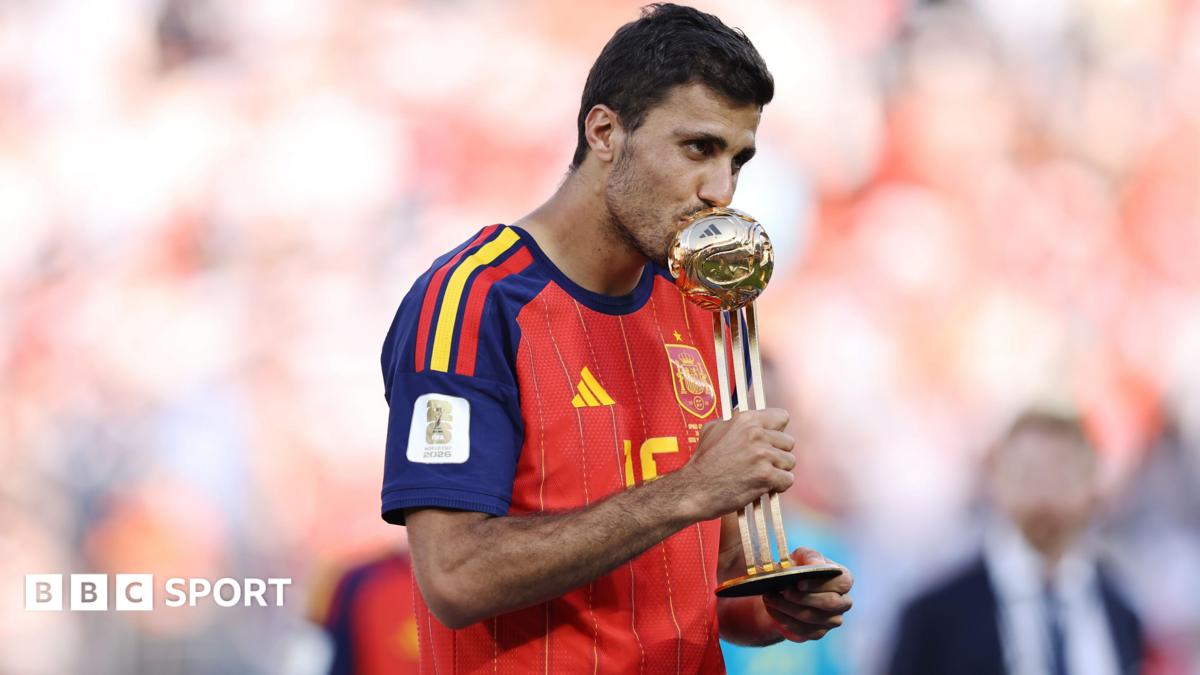
City are reportedly hopeful Rodri will sign a new deal despite Real Madrid interest. Good. But the midfield architect is exactly the kind of player a self-respecting academy should be producing, not buying for £63m from Atlético Madrid. The £100m bid for Bouaddi—an 18-year-old from Lille—is the final confirmation: City would rather buy the finished teenage product from France than trust their own system to create one.
That is a strategic choice, not an oversight. Bouaddi may become world-class, but the message to every City academy player is brutal: you are not the priority. The club’s transfer policy has turned its youth setup into a £1bn irrelevance. When the first team needs a midfielder, they look to Spain, not the EDS.
- 2017-2024: 11 academy graduates sold for a total of £180m. Only Foden remains a starter.
- In the same period, City bought 7 players aged 23 or under for over £40m each—including Grealish, Haaland, and Doku.
- The average age of a City academy graduate making a Premier League debut has risen from 18.2 to 20.1 since 2019—players are being kept longer for FFP-friendly sales rather than integration.
The Counter-Argument: Success Breeds Impatience
The defence writes itself. City compete on four fronts every season—no club can carry projects. The academy’s best players go on loan, gain experience, then are sold to fund the pursuit of ready-made stars. This is not failure; it is a self-sustaining model that finances a dynasty.
Yet this logic collapses under scrutiny. Bayer Leverkusen, Ajax, and even Chelsea’s own Cobham academy have all successfully integrated young players while winning. The argument that elite success precludes youth is a convenient myth, not a law of nature. Pep Guardiola has the power to give minutes; he chooses not to. That is a cultural decision, not an economic one.
Verdict: City Will Regret This Within Three Years
By 2027, when Rodri is 31 and Real Madrid’s inevitable offer arrives, City will have no homegrown replacement ready. They will spend £120m on a Bouaddi or a Bellingham, while the next Sancho warms the bench at Southampton. The academy will continue to generate money, not talent—and the one thing money cannot buy is a club’s soul.
Related Articles
Filed under: Opinion | LA Premier League Home