The Game Nobody Dreams of Playing
The World Cup third-place play-off has always existed in a strange emotional space. It is a match between two excellent teams, staged at the end of the biggest tournament in football, yet it often feels like an afterthought.
Players openly admit it is difficult to motivate themselves for a fixture that determines who finishes third rather than fourth. Managers frequently rotate squads, and fans struggle to treat it with the same intensity as the final.
The question persists: does the World Cup still need a third-place play-off? The debate has been reignited after another edition of the tournament, where the match drew mixed reactions from viewers and pundits alike.
Historical Context and Purpose
The third-place play-off has been a fixture of the World Cup since 1934, with the exception of 1950. Originally introduced to determine the bronze medalist, it has produced memorable moments, such as France’s 6-3 win over West Germany in 1958 and Turkey’s 3-2 victory over South Korea in 2002.
Proponents argue the match honours the achievement of reaching the semi-finals and provides a competitive conclusion. For smaller nations, a third-place finish can be a historic milestone that elevates their footballing status.
Critics counter that the match is an unnecessary extension that risks injury to key players ahead of their club seasons. Coaches often field weakened teams, reducing the competitive integrity of the event.
Emotional and Competitive Impact
The emotional toll on players is significant. After the crushing disappointment of a semi-final defeat, many struggle to regain focus. Some squads treat the match as a farewell for retiring legends, while others view it as an unwelcome obligation.
Statistically, third-place matches tend to be more open and high-scoring than finals. Since 1978, eight of the eleven play-offs have seen at least three goals. This entertainment value is often cited by supporters of the fixture.
However, television ratings and stadium attendance frequently lag behind other knockout rounds. In 2018, the match between Belgium and England drew fewer viewers than many group-stage games.
- Increased injury risk: Players are fatigued after a long tournament, and the extra match can lead to muscle strains or knocks.
- Club managers’ frustration: Premier League coaches often express concern about their stars playing in what they consider a meaningless fixture.
- Prize money: FIFA awards significant bonus payments for third place, providing a financial incentive for federations.
What Next for the Third-Place Play-Off?
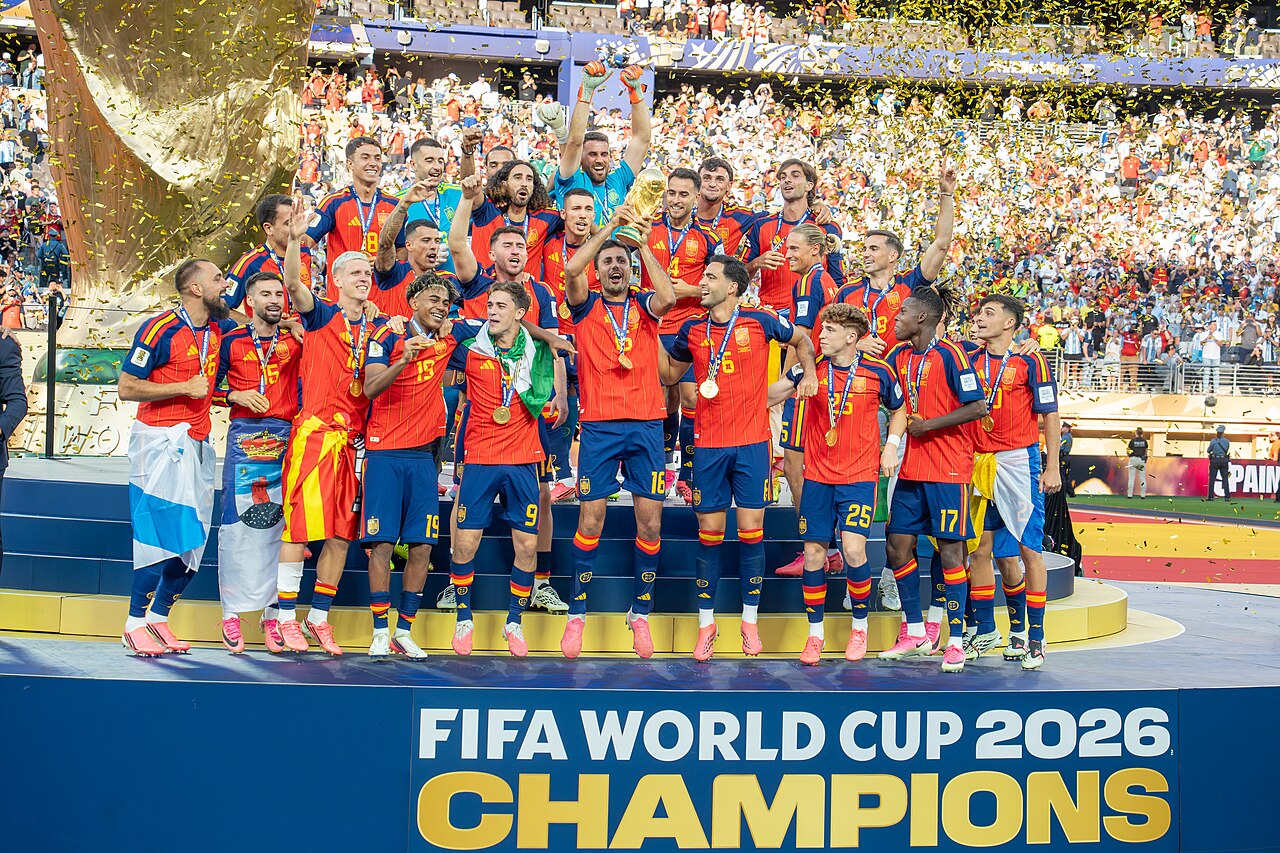
FIFA has shown no indication of scrapping the match. The expanded 2026 World Cup, featuring 48 teams, may further complicate the schedule. Football’s governing body will need to weigh tradition against player welfare.
One proposal is to award joint third place, but this would diminish the competitive element. Another is to move the match to earlier in the tournament, though such a change would alter the entire knockout structure.
For now, the third-place play-off remains an awkward but enduring part of World Cup lore. Whether it continues past 2026 will depend on whether football’s stakeholders can agree on its value.
Related Articles
Filed under: Opinion | LA Premier League Home