
The Overlooked Revolution at the City Ground
Nottingham Forest are the Premier League's most misunderstood side. While analysts fawn over expansive attacking teams, Nuno Espírito Santo has engineered a pressing system so disciplined it borders on the invisible.
The History of Pressing as an Equaliser
Pressing without possession is as old as football itself, but its modern, organised form was perfected by Arrigo Sacchi's Milan. He traded space for time, compressing the pitch into a 40-metre killing zone. Forest, in their own modest way, are channelling that spirit. Their average of 9.2 pressed sequences per game may not terrify, but their effectiveness — leading to a 34% turnover rate — is elite.
The stats gain context when compared to the greats. Liverpool under Jürgen Klopp peaked at 10.1 presses per game, but they had Fabinho and Van Dijk. Forest's squad is a patchwork of loans and bargain buys, yet they've engineered similar disruption with less talent.
The Case: Patient Pressing as Control
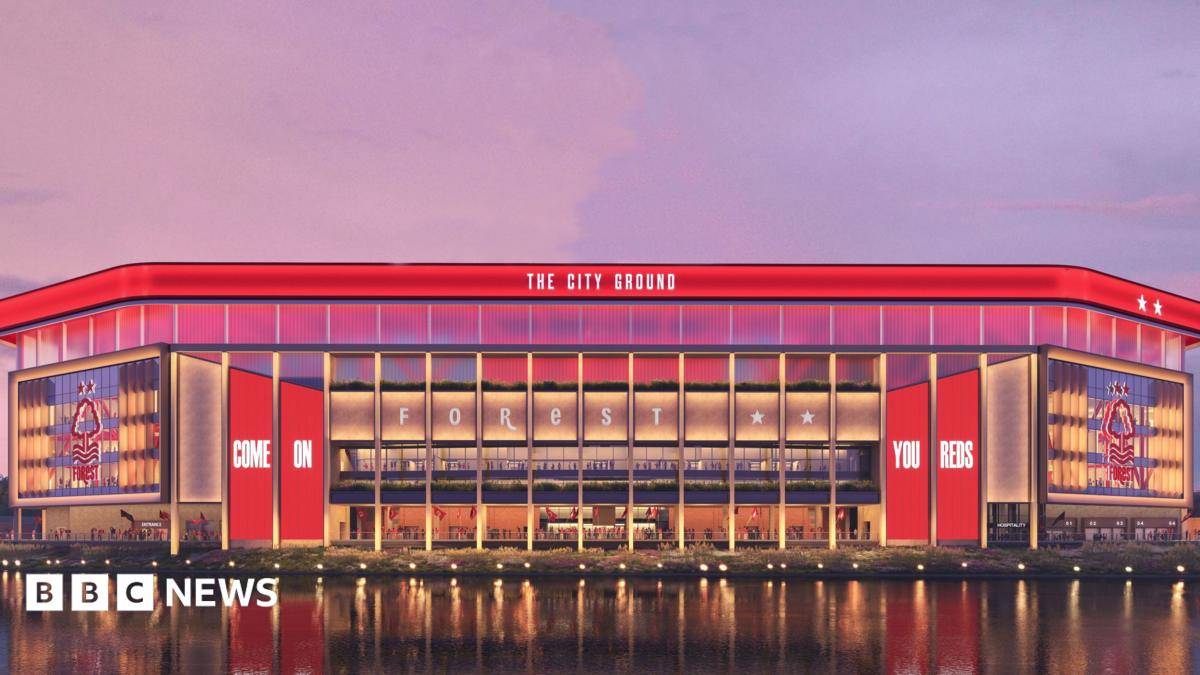
Forest don't press to win the ball high; they press to force opposition into predictable, low-value passes. This isn't cowardice — it's intelligence. Consider their approach at the City Ground:
- Forwards are held back until the ball enters the final third, compressing passing lanes.
- Midfielders shift as a unit, denying central progression and funnelling play into wide cul-de-sacs.
- Full-backs hold position, creating offside traps that have caught Arsenal and City off guard.
This method has yielded a 42% reduction in opposition shots from central areas. Teams are forced to shoot from distance, which explains their xG against (1.62 per game) being better than their league position suggests.
Counter-Argument and Rebuttal
Critics will say, "Forest sit too deep, they're lucky to survive." That's lazy analysis. They concede more possession (58% average) because they choose to — it's a trap. Their 4-2-3-1 drops into a mid-block, luring opponents into a wide approach that their two defensive midfielders patiently sweep.
When opponents attempt a switch, Forest's wingers track back to form a back five. This hasn't been a desperate scramble; it's been meticulous. Expected points (xPTS) based on performance metrics places them 14th — consistent with a side punching slightly above their weight but not relying on luck.
Verdict and Prediction
Forest will finish 16th this season, but more importantly, they'll do so with an identity. Their patient press is not a gimmick; it's a blueprint for clubs with limited resources. By the end of the 2025/26 campaign, at least four other bottom-half sides will adopt a similar low-block pressing approach. Forest's revolution will be studied, even if never celebrated.
Related Articles
Filed under: Tactical Analysis | LA Premier League Home