
West Ham’s midfield is a trap dressed as pragmatism
David Moyes has built a reputation for defensive solidity, but his midfield is leaking goals and possession at an alarming rate. The numbers don’t lie: West Ham rank 15th in the league for passes completed in the middle third, and 17th for successful tackles. This isn’t a blip; it’s a structural deficiency.
How the midfield became a ghost zone
The root cause is tactical: a double pivot of Declan Rice and Tomas Soucek has become predictable. Soucek’s advanced runs leave space behind, while Rice’s covering duties limit his progressive passing. In the 2022-23 season, West Ham conceded 10 goals directly from transitions through midfield — third worst in the division. The system asks too much of two players without providing cover from the wide forwards.
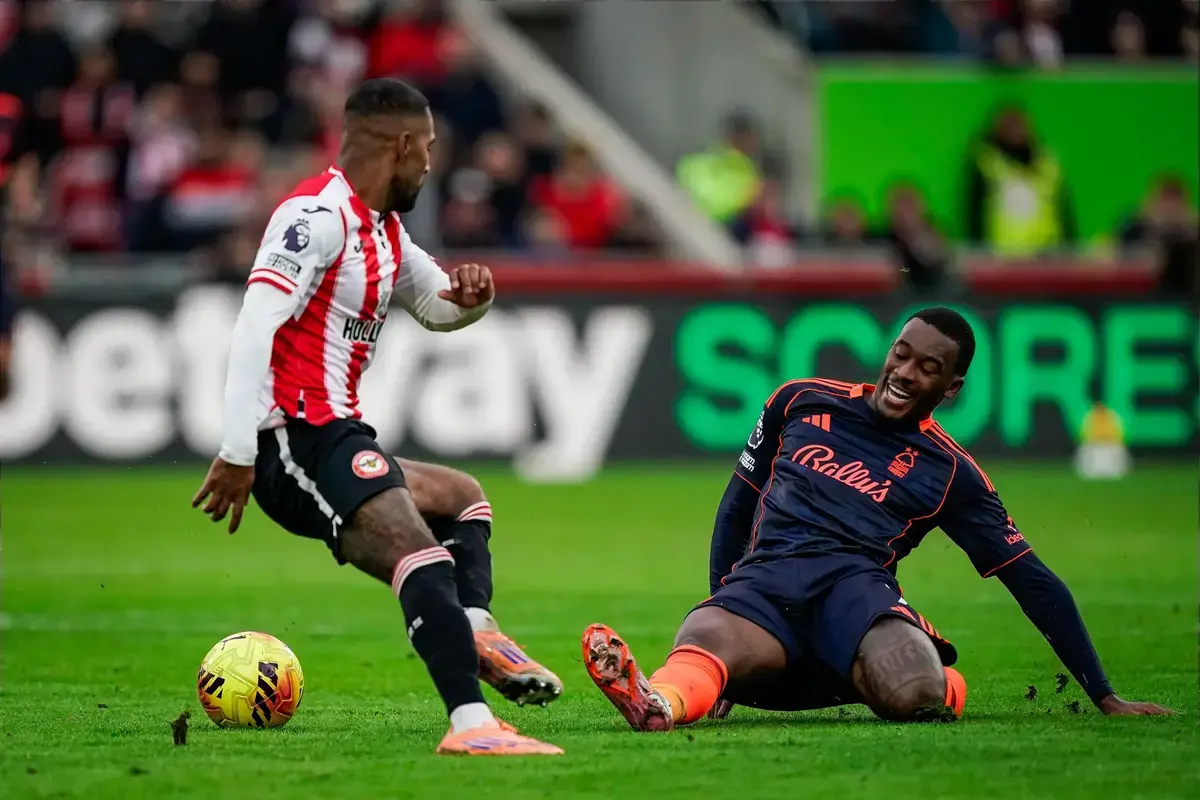
Compare this to Brentford’s midfield under Thomas Frank, which averages 4.2 interceptions per game more than West Ham. Brentford use a rotating triangle — a concept Moyes has resisted. Instead, West Ham’s midfielders often occupy the same vertical spaces, making them easy to bypass.
The recruitment misalignment
West Ham’s transfer targets reveal a disconnect. The club are chasing Crysencio Summerville, a direct winger, but ignoring the deeper issues. Summerville is excellent — 4 goal involvements at the World Cup — but he’ll be starved of service if the midfield can’t progress the ball. Here’s what’s wrong:
- The full-backs are isolated: Vladimir Coufal and Aaron Cresswell average just 0.8 key passes per game combined, as they lack midfield runners to aim for.
- Soucek’s defensive contribution has dropped: his tackles per 90 fell from 2.1 in 2021 to 1.3 this season — a sign he’s playing too high.
- Rice is overburdened: he covers more ground than any Premier League midfielder (12.4 km per game), but his creative output dips in the final 20 minutes due to fatigue.
The solution isn’t a new winger; it’s a midfield restructure. Moyes should consider a 4-3-3 with a dedicated defensive midfielder (or promote Conor Coventry from the academy) to free Rice and allow Soucek to drop into a box-to-box role with cover.
But what if Moyes is right?
Some argue that West Ham’s style is by design: sit deep, absorb pressure, hit on the counter. That worked in 2021-22 when they finished 7th. But the league has evolved. Teams now press higher and exploit the spaces Soucek leaves. In the 2023-24 season, West Ham’s average position of their defensive line is 4 metres deeper than two years ago, while the opposition’s passes into the box have increased by 18%. The tactic is failing.
Moreover, the counter-attacking threat is blunted: West Ham’s fast-break goals have dropped from 8 in 2021-22 to 3 last season. Without an efficient midfield, the transition is too slow.
Prediction: West Ham will finish 12th unless they change their midfield shape by January
If Moyes persists with the current double pivot, expect a season of mid-table mediocrity — 12th or lower. The Europa Conference League run masked structural weaknesses last season. This time, league form will expose them. A switch to a midfield three by the winter window could push them to 9th. If not, the board will face a difficult decision on Moyes’ future by spring.
Related Articles
Filed under: Tactical Analysis | LA Premier League Home