
VAR Has Become a Get-Out-of-Jail-Free Card for Incompetence
There is a new law in the Premier League, and it has nothing to do with the offside rule or handball interpretation. It is the unwritten directive that allows referees to ignore their own errors if they can claim they were 'failsafed' by VAR. This is not a refinement of justice; it is a cowardly surrender to the cult of the screen.
The 'Failsafe' Fiction: A History of Excuses
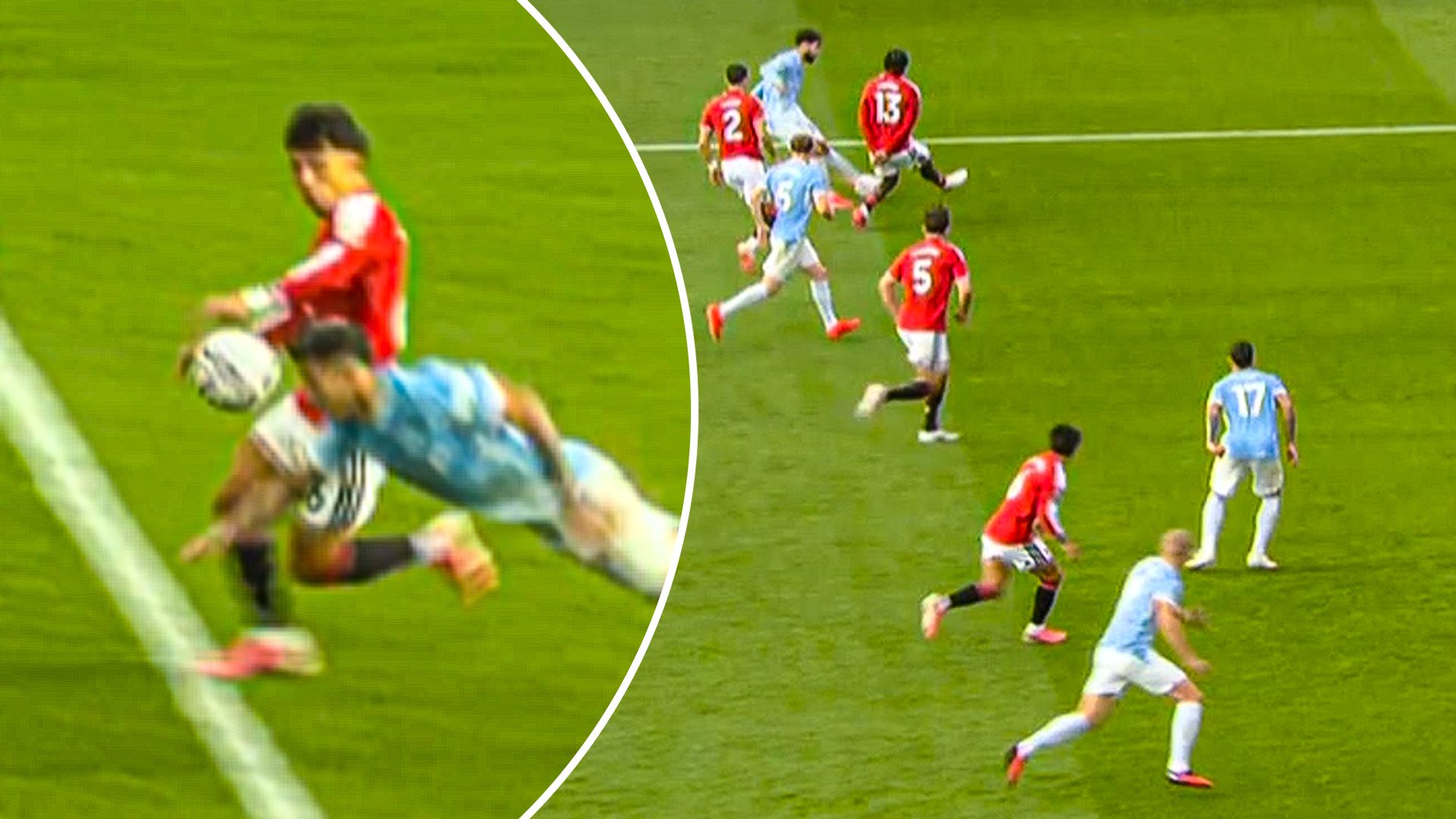
When VAR was introduced in 2019, it promised to eradicate 'clear and obvious' errors. Instead, we got a system that hides behind the same phrase. In April 2023, when Brighton's Pervis Estupiñán was denied a late penalty at Spurs after a blatant foul by Cristian Romero, the VAR checked and found 'no clear and obvious error'—a decision that defied physics. The PGMOL later admitted it was wrong, but the damage was done. This season, we see the same pattern: referees wave away incidents, then VAR backs them up, not because the decision is right, but because overturning it would embarrass the man in the middle.
The PGMOL's new 'failsafe' protocol, introduced quietly last summer, formalises this cultural rot. It states that VAR should only intervene if the initial decision is 'clearly wrong'—but the threshold has been set so high that almost nothing qualifies. In practice, it means the referee is king, and VAR exists only to confirm his or her mistakes. It is a system designed to protect officials, not to deliver justice.
The Argument: 'Clear and Obvious' Is a Licence to Cheat
The 'clear and obvious' test is a logical fallacy. It implies that there are two types of errors: those that are acceptable and those that are not. In a sport where a single point can decide relegation or a title, there is no such thing as a minor error. Every mistake is a travesty for the club that suffers it. Yet PGMOL continues to treat some howlers as if they are part of the game's charm.
- In November 2024, Manchester United's Alejandro Garnacho was denied a penalty after a clear trip by Luton's Tom Lockyer—the VAR took 30 seconds to dismiss it, citing 'the on-field decision stands'. Replays showed contact was undeniable.
- In February 2025, Arsenal had a goal disallowed against West Ham because of a phantom foul by Bukayo Saka in the build-up—VAR again failed to overrule, despite the referee's view being blocked.
- Just last month, Everton's Beto was brought down in the box at Goodison Park—the VAR saw it, but decided it was 'not a clear and obvious error' because the defender had touched the ball. The touch was minimal and didn't change the fact it was a foul.
These are not isolated incidents; they are the product of a system that has lost its purpose. VAR was meant to be a safety net, not a shield for incompetence. By refusing to overturn decisions unless they are egregious, PGMOL is actively encouraging referees to make risky calls, knowing they will be backed up by default. It is the perfect recipe for corruption—not financially, but in terms of integrity.
The Counter-Argument: 'Failsafe' Protects the Flow of the Game
Defenders of the system argue that 'clear and obvious' prevents the game from being stopped for every minor infraction, preserving the tempo that makes football beautiful. They point to the World Cup 2022, where VAR intervened less frequently, and matches flowed better. But this argument ignores the reality: the Premier League is not a friendly; it is a competition worth billions. The stakes are too high to wave away missed penalties because we want to 'let the game breathe'.
Moreover, the 'failsafe' does not actually speed up the game. In fact, it creates more delays, as players surround the referee, and managers spend minutes arguing with fourth officials. The real reason for the high threshold is not concern for the flow—it is fear of public criticism. When a referee makes a mistake, PGMOL would rather defend him than admit he was wrong, because every admission is a blow to their authority.
The Verdict: A Prediction That Will Come True
By March 2026, the Premier League will have changed its VAR protocol to allow referees to review decisions on a pitch-side monitor for subjective calls like fouls and handballs. Not because it is the right thing to do, but because a scandal will force it. A club—likely one fighting relegation—will be denied a crucial penalty in a match that decides their fate, and the fallout will become so toxic that even PGMOL's stubbornness will crack.
Until then, we are left with a system that values the reputation of officials over the integrity of the competition. The 'failsafe' is not a failsafe against errors; it is a failsafe against accountability. And that is the most dangerous thing of all.
Related Articles
Filed under: Opinion | LA Premier League Home