The Premier League’s soul is being autopsied frame by frame
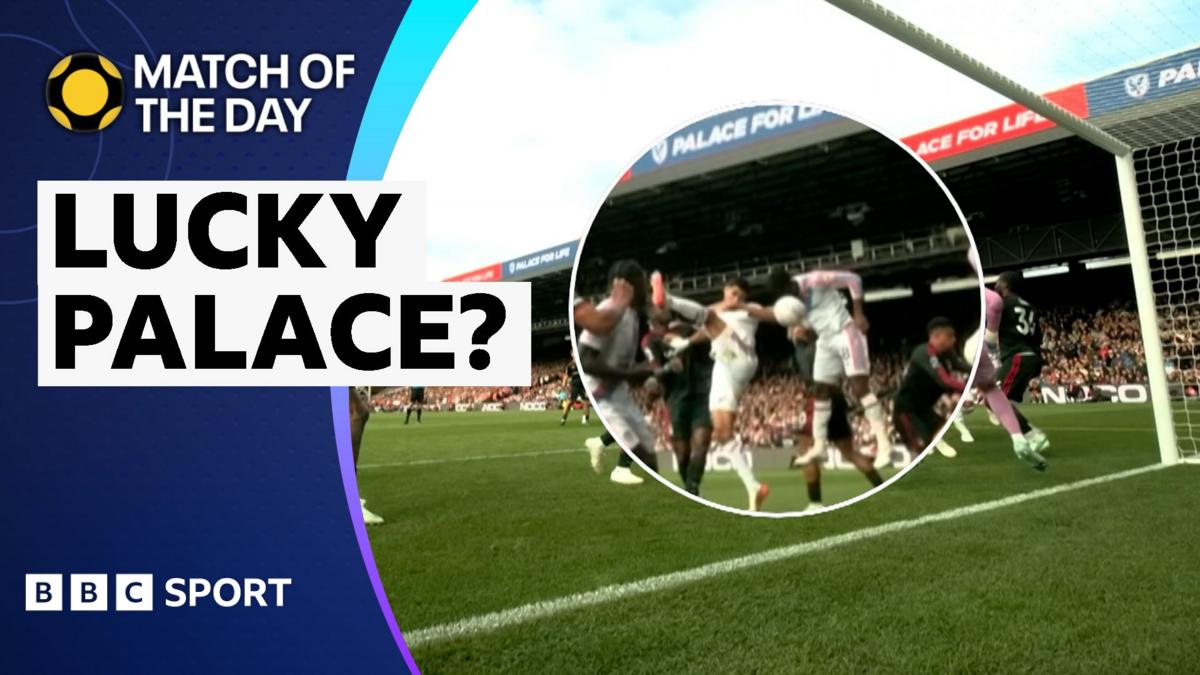
VAR did not simply get Crystal Palace’s second goal against Nottingham Forest wrong. It performed an autopsy on a living moment, then presented the corpse as justice. Wayne Rooney called it out. He was right.
The goal stood. Forest lost 3‑1. But the decision itself is a symptom of a deeper disease: the Premier League has handed its emotional core to a forensic lab that cannot see the game for the pixels.
From clear and obvious to microscopic and absurd
When VAR arrived in 2019, we were promised a correction of “clear and obvious errors.” Instead, we got forensic handball. The threshold has been lowered so far that defenders now run with their arms pinned like penguins, terrified that a stray breath will be deemed unnatural.
Compare this to the 1990s. Tony Adams could handle the ball in his own box and only concede a corner if the referee blinked. It was imperfect, but it was football. Now, a single frame – not even real‑time – can overturn a goal and alter a season.
This is not progress. It is the bureaucratisation of joy. The Premier League has imported a legalistic culture from cricket and rugby without importing their clarity or their respect for the on‑field official.
The case against forensic handball
The current handball law is not a rule; it is a Rorschach test. Referees are asked to judge “unnatural silhouette” and “deliberate movement” from grainy, slow‑motion replays that distort the speed of the game. The result is inconsistency so profound that clubs now train for VAR as much as for the opposition.
- Crystal Palace vs Nottingham Forest: a goal was allowed after a handball that would have been missed by every referee in the stadium. The decision felt like a technicality, not a correction.
- Liverpool vs Manchester City: Ryan Gravenberch’s red card – described by Jamie Carragher as “shocking” and by Wayne Rooney as “naive and stupid” – turned a contest into a procession. The second yellow was for a challenge that would not have merited a free‑kick in the 1990s.
- Tottenham’s draw at Manchester United: yet another game where the dominant post‑match discussion concerned a decision, not a moment of skill. Solanke’s late header was almost an afterthought.
The pattern is clear. The more VAR intervenes, the less football feels like football. We are not watching a sport; we are watching a compliance exercise.
But VAR gets more decisions right, doesn’t it?
The counter‑argument is seductive: VAR has increased the percentage of correct decisions, so the game is fairer. But fairness is not the same as justice. A technically correct decision that destroys the flow, the emotion and the shared experience of a goal is not justice – it is tyranny by spreadsheet.
Moreover, the “correctness” is an illusion. The same forensic handball that allowed Palace’s goal would have disallowed it on another day, with another referee, in another stadium. The inconsistency is not a bug; it is the inevitable product of asking humans to apply an impossible standard.
We have traded the referee’s whistle for the video assistant’s ruler. And the ruler is bent.
The verdict: a prediction you can hold me to
By the end of this season, at least one club will miss out on European qualification – or survive relegation – by a single point that was decided by a forensic handball call that no one in the stadium, including the referee, believed was handball. When that happens, the Premier League will face a crisis of legitimacy it cannot VAR its way out of.
The fix is not more technology. It is a return to the “clear and obvious” threshold, applied only to decisions that are self‑evident in real time. Anything else is theatre. And the audience is walking out.
Wayne Rooney was right about Crystal Palace vs Nottingham Forest. But the real scandal is that we needed a pundit to tell us what our own eyes already knew: the game is gone.
Related Articles
Filed under: Opinion | LA Premier League Home