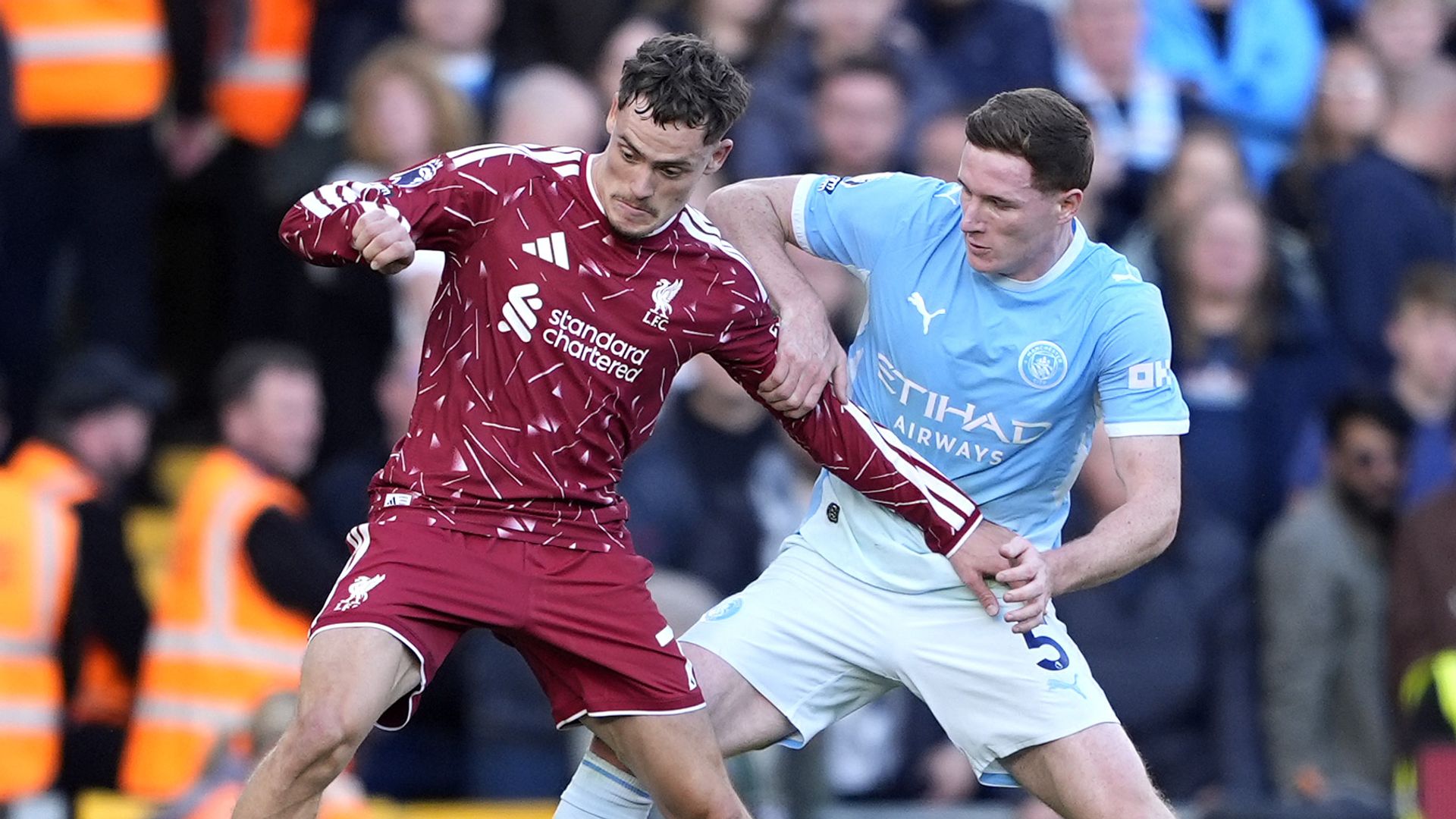
The Premier League's FFP is a Cartel Protecting the Established Elite
The Premier League's financial fair play regulations are not about fairness; they are a cartel designed to entrench the established elite. The recent points deductions for Everton and Nottingham Forest expose the hypocrisy at the heart of the game. While clubs like Manchester City, Chelsea, and Newcastle United wield financial power that dwarfs the rest, the rules punish those who dare to challenge the status quo. It's time to call it what it is: financial doping by the rich to keep the poor in their place.
Profit and Sustainability: A Shield for the Wealthy
The Profit and Sustainability Rules (PSR) allow clubs to lose £105 million over three years. That sounds generous until you realise that Manchester City's annual revenue is over £700 million, while Everton's is barely £200 million. The bigger the club, the more they can lose. It's a sliding scale of injustice. When Everton were deducted ten points (later reduced to six) for breaching PSR, the message was clear: overspend and you'll be crushed, unless you're one of the big boys.
Consider the case of Manchester City, who face 115 charges for financial breaches. The uncertainty lingers like a dark cloud over the league. Meanwhile, Chelsea, under Todd Boehly, have spent over £1 billion on transfers, exploiting amortisation loopholes and long contracts to spread the cost. The rules allow this because they were written by the wealthy, for the wealthy. It's a classic case of regulatory capture.
The Case for a Hard Salary Cap
The only way to achieve true competitive balance is a hard salary cap, similar to the NFL or NBA. A cap would prevent clubs from buying success and force them to invest in youth development, smart scouting, and coaching. It would also protect clubs from financial ruin, as spending would be tied to a fixed percentage of revenue. The Premier League's current system, with its complex and arbitrary rules, only serves to maintain the status quo.
- In the NFL, the salary cap has produced 32 different Super Bowl winners, while the Premier League has seen only seven different champions in the same period.
- La Liga's financial control measures have been praised for saving clubs from administration, but they too favour the big two, Real Madrid and Barcelona.
- The Bundesliga's 50+1 rule ensures fan ownership, but Bayern Munich's dominance shows that even with fan power, financial inequality persists.
Critics argue that a salary cap would drive talent away from the Premier League. But the NFL and NBA attract the world's best athletes despite caps. The Premier League's global appeal is built on competitive drama, not just star power. A cap would enhance the drama by making every match a genuine contest, not a foregone conclusion.
The Counter-Argument: Financial Freedom Is a Right
Opponents of a salary cap argue that clubs should be free to spend their own money as they see fit. They claim that a cap would violate European Union competition law and restrict investment. But football is not a normal business; it's a social institution. The EU has already acknowledged the special nature of sport in its treaties. Moreover, a cap would not prevent investment in infrastructure, youth academies, or community projects. It would only limit spending on player wages and transfers, which is precisely where the imbalance lies.
Others say that the Premier League's success is due to its open market, which attracts global investment. But that investment has created a two-tier league where the top six are almost guaranteed Champions League football, and the rest fight for scraps. The recent points deductions have turned the relegation battle into a legal farce, with clubs hiring lawyers to fight for their survival. That's not the beautiful game; it's a courtroom drama.
The Verdict: A Cap or Collapse
Without a hard salary cap, the Premier League will become a closed shop, with the same clubs winning year after year. The financial disparity will grow, and the league's global popularity will wane. I predict that within five years, at least one Premier League club will go into administration due to PSR breaches, and the league will be forced to introduce a cap to save itself. The alternative is a slow death by a thousand points deductions. The choice is clear: cap or collapse.
Related Articles
Filed under: Opinion | LA Premier League Home