Tottenham Back Roberto De Zerbi Despite Bottom-Of-Table Crisis
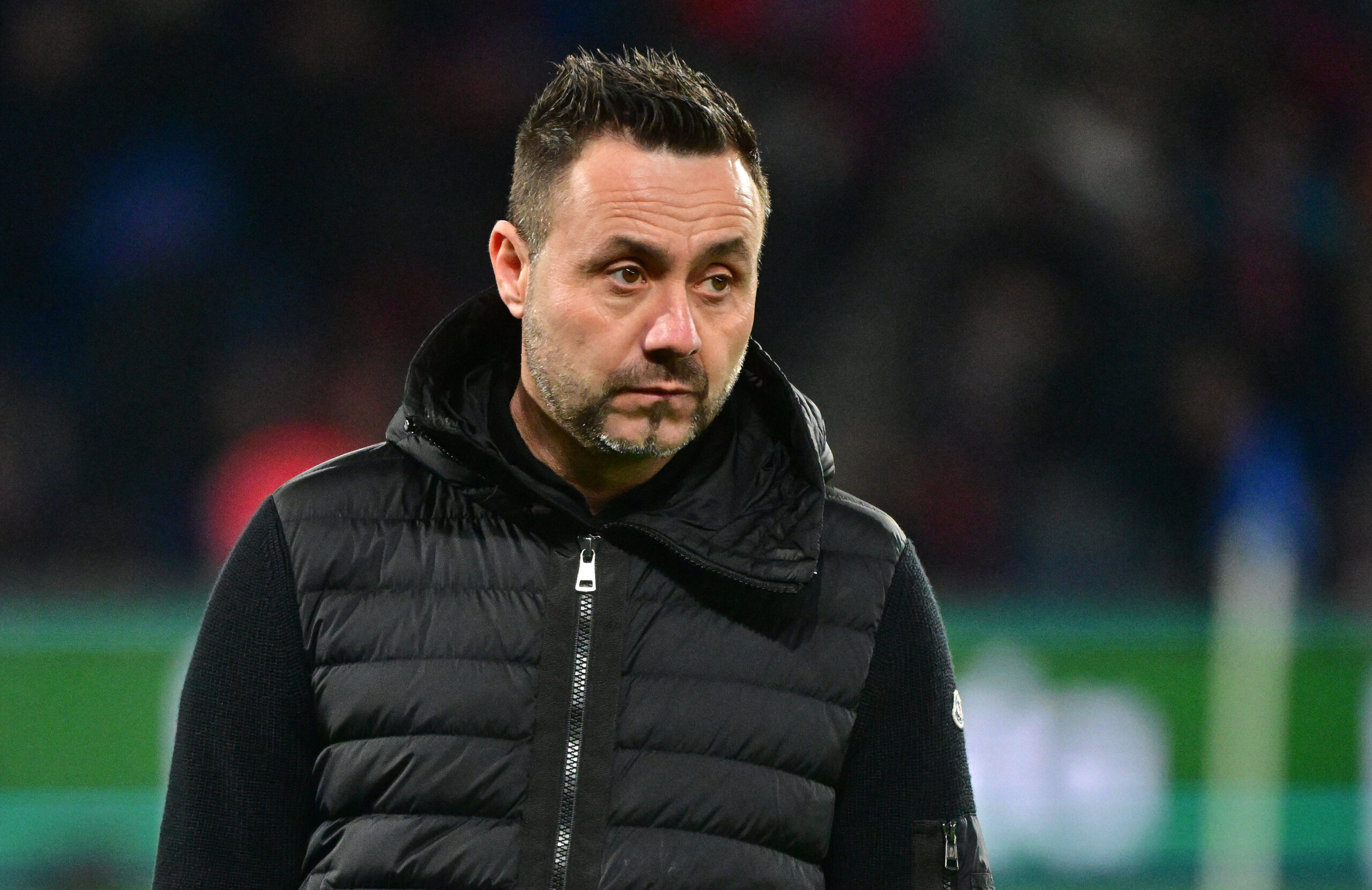
Tottenham Hotspur have decided to stand by head coach Roberto De Zerbi despite a dire start that has left them bottom of the Premier League after five matches. According to TeamTalk, there is no managerial search under way, no contingency being advanced, and no plan to act during the international break.
- Decision: Tottenham have given Roberto De Zerbi their firm backing, per TeamTalk.
- League position: Bottom of the Premier League after five matches — their worst start since 2008/09.
- De Zerbi record: 14 matches in charge, four wins, a win percentage of 28.57 per cent.
- Key detail: No managerial search, no contingency plan, and no change planned for the international break.
- Latest result: Home defeat to Aston Villa, after which De Zerbi admitted the team are fragile and inconsistent.
- Source: TeamTalk.
Why Tottenham Are Not Making a Change
The backdrop is grim. Tottenham have not been bottom of the Premier League at this stage of a season since 2008/09. The pressure around the club sharpened after the home defeat to Aston Villa, and the wider mood is one of anxiety, frustration and disbelief.
Yet the message from inside the club is unequivocal. There is no managerial search under way, no contingency being advanced, and no indication that the international break will be used to make a swift change. Tottenham's hierarchy are standing by De Zerbi.
Senior figures at Spurs are said to believe the bigger picture still matters. De Zerbi has taken charge of only 14 matches and, internally, there is an acceptance that the task he inherited was always substantial. One source put it in emphatic terms: "There is nobody better than Roberto to turn this around; this was never an easy fix, despite the summer outlay. He is very much still the man for Tottenham."
That line matters because it underlines how the club are framing the situation. This is being viewed less as a failure of coaching and more as a difficult phase in a longer rebuild. Tottenham spent heavily in the summer after narrowly avoiding major trouble last season, but investment alone does not guarantee instant fluency, cohesion or resilience.
The Numbers
- League position: Bottom of the Premier League after five matches
- Matches in charge: 14
- Wins: 4
- Win percentage: 28.57 per cent
- Worst start since: 2008/09
Four wins from 14 matches, and a win percentage of 28.57 per cent, are numbers that naturally invite concern. In isolation, they are poor. In context, Tottenham appear to believe they are part of a broader process that still requires patience.
What Was Said
"There is nobody better than Roberto to turn this around; this was never an easy fix, despite the summer outlay. He is very much still the man for Tottenham."
"In my career, 14 years as a coach, I've never seen one team like us. So fragile, so inconsistent."
The first quote positions the current situation as a difficult phase in a longer rebuild rather than a failure of coaching. It emphasises that the summer spend was never intended to deliver instant fluency.
The second quote is more alarming. De Zerbi's own words after the Villa defeat were blunt, emotional and revealing — a rare glimpse into how concerned the manager is by what he is seeing on the pitch. That level of candour from a head coach is not a routine post-match complaint.
Pressure Growing After the Aston Villa Defeat
The Aston Villa result has sharpened everything. A poor start can be absorbed if the underlying signs are promising, but landing at the foot of the Premier League after five games changes the tone dramatically. It creates doubt externally, noise in the media and unease among supporters.
Still, the report suggests Tottenham's leadership are resisting a reactionary response. There is recognition that the squad underwent significant change in the summer and that time on the training pitch remains essential. The three-week international break is now being treated as an opportunity for De Zerbi to work on the weaknesses that have already become impossible to ignore.
Importantly, the frustration is not one-way. TEAMtalk report that De Zerbi is unhappy with the level being produced by his players, and that frustration is shared by the hierarchy. In other words, there is alignment between coach and club over where the problem lies.
That does not remove pressure from the head coach, but it does help explain why Tottenham are not moving against him. Internally, the view is that the squad are not performing anywhere near expectations and that the coach remains the figure best placed to correct that.
Spurs Project Hinges on Squad Response
What Tottenham do next matters almost as much as the results themselves. Their stance indicates they still view this as a project, not a short-term appointment drifting towards an inevitable end. De Zerbi arrived late last season, helped Spurs move away from relegation danger and was then backed in the transfer market with the expectation of building something more stable.
That previous context is significant. Clubs do not usually authorise major recruitment for a head coach they are preparing to abandon at the first sign of difficulty. If anything, the current position suggests Tottenham feel the squad must take greater responsibility.
The report points repeatedly to that internal belief. The players, rather than the manager, are seen as the central issue at present. There is also a clear acknowledgement that however much was spent, this "was never an easy fix, despite the summer outlay."
For Tottenham, then, the calculation is straightforward. Changing the coach now would mean walking away from a plan after 14 matches, during a period in which the club expected turbulence. Keeping faith carries risk too, particularly if results do not improve quickly once domestic football resumes.
Why Backing De Zerbi Still Carries Real Risk
Tottenham's decision to keep faith with Roberto De Zerbi is rooted in a belief that the squad, not the coach, must take the blame for the current malaise. The manager has publicly questioned his players' consistency and resilience, and the hierarchy reportedly share that frustration. That shared diagnosis is what makes a managerial change feel premature to those making the call.
But the on-pitch evidence is troubling. A team that concedes momentum and crumbles under pressure cannot simply be talked back into shape. De Zerbi's system demands discipline, coordinated pressing and conviction in possession — qualities that vanish when confidence is this low. The international break gives him three weeks on the training ground, a rare uninterrupted block in a chaotic season.
If the players cannot respond to that, the club's position becomes harder to defend. The summer investment was intended to fast-track a more stable team, not one rooted to the bottom of the table. Spurs are trying to hold their nerve while sitting last in the Premier League. It is a bold position, and one that will either look measured in hindsight or badly misplaced if the slide continues.
Our View
As a frustrated Tottenham supporter, this all sounds painfully familiar. We are told to trust the process, trust the project and trust that the people in charge know exactly where this is going. Meanwhile, we are bottom of the league after five games and being asked to accept that this is all part of the plan. It is hard to swallow.
Yes, De Zerbi has only had 14 matches. Yes, big squad changes take time. But fans are not blind. We can see a side that looks disjointed, mentally weak and alarmingly easy to play against. When the manager himself says he has never seen a team like this — "so fragile, so inconsistent" — that is not a small warning sign.
The line "There is nobody better than Roberto to turn this around" sounds strong, but supporters will want proof on the pitch, not reassurance behind the scenes. Spurs have spent heavily and still look lost. If the players are underperforming, then fine — drop them, change the shape, make big calls. Do something.
Backing the manager is sensible if there is a clear idea. What fans cannot accept is drift. Bottom after five matches is embarrassing for Tottenham, and patience will disappear quickly unless there is a sharp response after the break.
Talking Points
- Is backing De Zerbi a sign of stability or of a board refusing to admit the summer spend has not worked?
- De Zerbi's public criticism of his players could motivate them — or it could accelerate the dressing-room drift.
- Four wins from 14 is a poor record, but how much should a late-season rescue and one summer window soften that number?
- If Tottenham lose their first game after the break, does the club's public stance survive the next round of scrutiny?
What Happens Next
Tottenham have not named a time frame or fixture in the source report, but the international break is now the immediate focus — a three-week block for De Zerbi to address the weaknesses that have already become impossible to ignore. The next Premier League fixture after that break will define the mood around the club. Results must improve quickly, otherwise the noise that the hierarchy have so far ignored will return with greater force.
Frequently Asked Questions
Are Tottenham sticking with Roberto De Zerbi?
Yes. According to TeamTalk, Tottenham's hierarchy are standing by De Zerbi, with no managerial search under way and no plan to act during the international break.
How many games has Roberto De Zerbi managed at Tottenham?
De Zerbi has taken charge of 14 matches, winning four, which gives him a win percentage of 28.57 per cent.
Why are Tottenham bottom of the Premier League?
Tottenham sit bottom after five league matches following a home defeat to Aston Villa, a position they have not occupied at this stage of a season since 2008/09.
Related Articles
Filed under: Manager News | LA Premier League Home