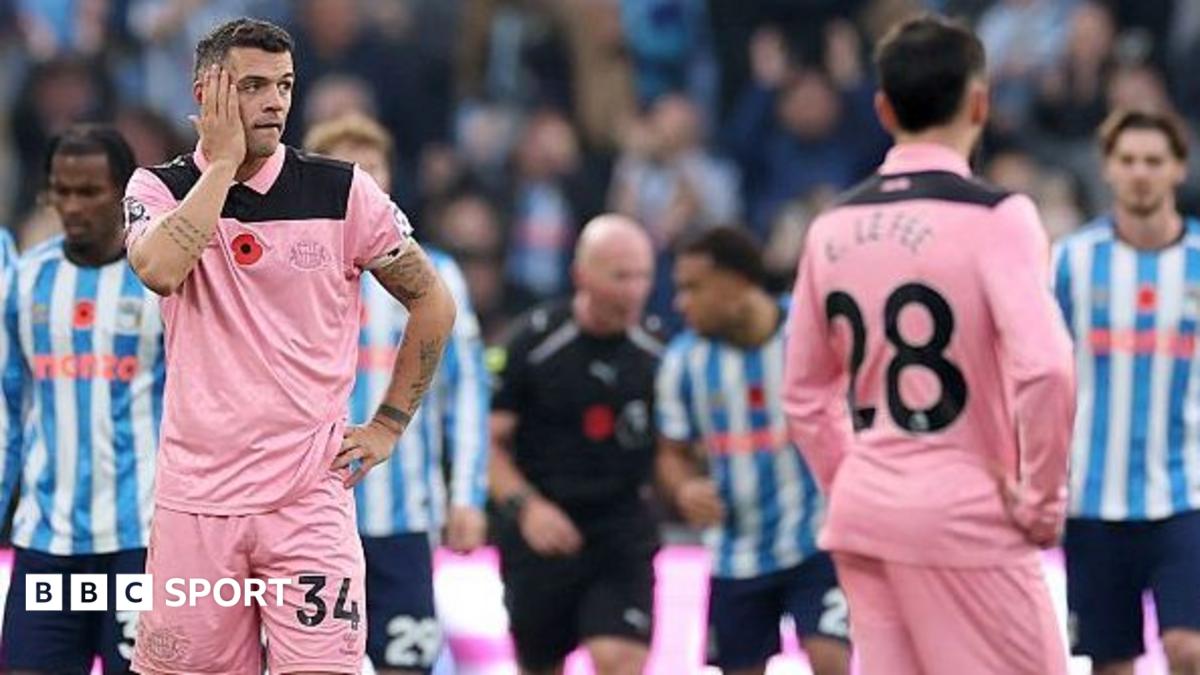

Sunderland’s midfield is not weak—it is structurally broken, and that is why they are bottom
The narrative around Sunderland’s relegation battle focuses on a lack of goals or a leaky defence. Both are symptoms. The real illness is a midfield that operates as three disconnected individuals, a shape so flawed that no January signing can paper over it.
The historical precedent for midfield collapse
In the 2007-08 season, Derby County were relegated with 11 points, but their midfield at least attempted to function as a unit. Sunderland’s current midfield, by contrast, is a collection of talented players performing entirely separate jobs. Frank Lampard’s Coventry exposed this in their 3-1 win at the CBS Arena, overrunning Sunderland’s double pivot with simple rotations.
The Black Cats have now lost five of their last seven league games, conceding first in all of them. In those matches, they have averaged just 38% possession and completed fewer than 300 passes per game—numbers that betray a midfield incapable of controlling tempo or protecting the back four.
The argument: three fatal flaws in the engine room
Watch Sunderland without the ball and you see a midfield that presses in isolation. One player jumps, the others hold, and the result is a chasm between the lines that opponents walk through. It is not a lack of effort; it is a lack of coordinated structure. Dan Neil and Pierre Ekwah are both ball-chasers by instinct, and without a disciplined screen, they leave the defence exposed.
On the ball, the problem is equally stark. Sunderland’s midfielders average 11.3 progressive passes per 90—among the lowest in the division. They circulate sideways, never breaking lines, and when they do attempt a forward pass, the completion rate drops below 70%. This is not about ability; it is about a tactical setup that encourages safety over incision.
- In the 3-1 defeat to Coventry, Sunderland’s midfield lost 14 duels and allowed 18 shot-ending sequences from central areas.
- Against Hull, they completed just 9 passes into the final third from midfield—the lowest of any team that matchweek.
- No Sunderland midfielder ranks in the top 50 for interceptions in the Premier League, despite the team facing more shots than any other side.
The counter-argument: injuries and personnel, not shape
The steel-man case is that Sunderland’s midfield has been decimated by injuries, and with a fully fit squad, the shape would work. But the data contradicts this. When their first-choice trio started together in August, they still conceded 2.3 expected goals per game and averaged just 42% possession. The issue is not who plays; it is how they are asked to play.
Another rebuttal is that the defence is the real problem, and midfield flaws are a by-product. Yet Sunderland’s centre-backs face more unopposed runners than any other defence in the league—a direct consequence of a midfield that offers no screen. The back four is being hung out to dry.
Verdict: Sunderland will be relegated unless the midfield shape is overhauled
Unless Frank Lampard—or whoever is in charge—abandons the current 4-2-3-1 for a compact 3-5-2 that prioritises central solidity, Sunderland will finish bottom. I predict they will collect fewer than 30 points and be relegated with at least five games to spare. The midfield is not a weakness to be managed; it is a structural failure that demands radical change.
Related Articles
Filed under: Tactical Analysis | LA Premier League Home