Eight points from five games: the survival threshold every promoted club must hit
Promoted Premier League clubs face a brutal survival test, but recent data reveals a clear path: none of the 16 promoted teams to collect at least eight points from their opening five matches have been relegated. Sunderland's seventh-place finish in 2025/26 proves the gap can be bridged.
- Historical threshold: No promoted team with 8+ points from first five games has been relegated
- Danger zone: 10 of 14 promoted clubs with exactly six points from first five went down
- 2025/26 success: Sunderland finished 7th on 54 points; Leeds 14th, eight clear of relegation
- 2026/27 contenders: Hull and Ipswich on nine points after six games; Coventry on six
- Home form: Hull and Ipswich each took six points from first three home fixtures
The numbers
- 16 promoted teams have collected at least eight points from their opening five Premier League matches — none were relegated.
- 29 promoted teams have taken at least seven points from their first five games — only four went down.
- 14 promoted clubs earned exactly six points from their first five matches — 10 were eventually relegated.
- 25 promoted clubs collected three points or fewer from their first five games — 22 went down.
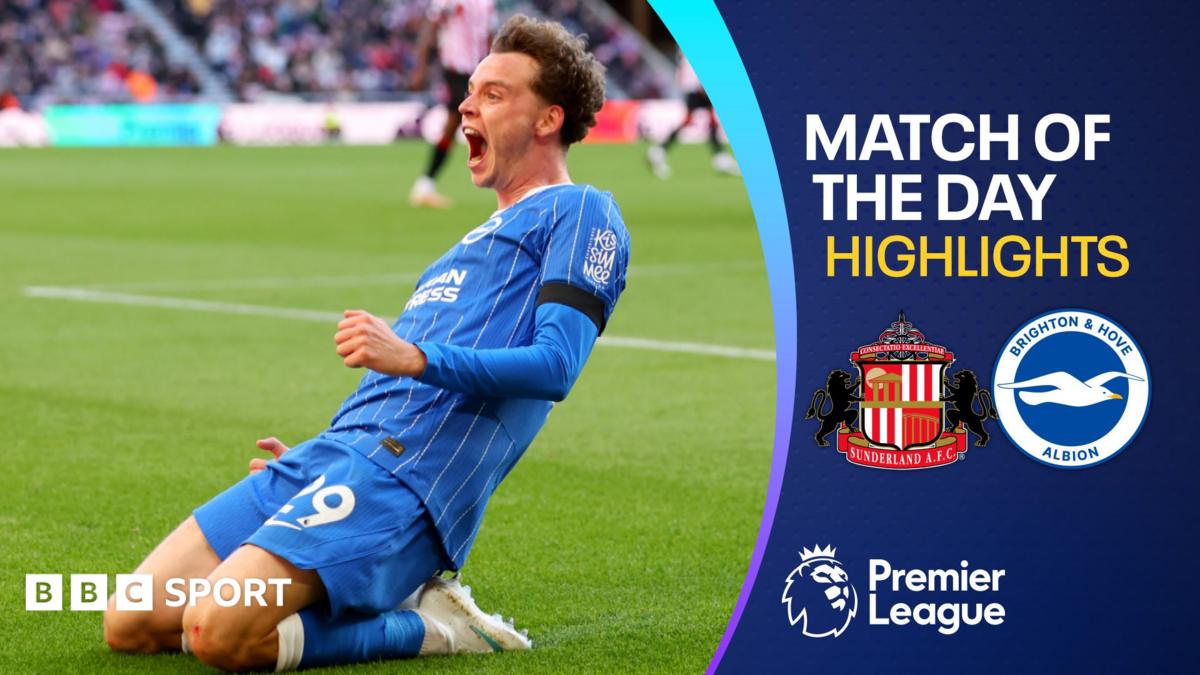
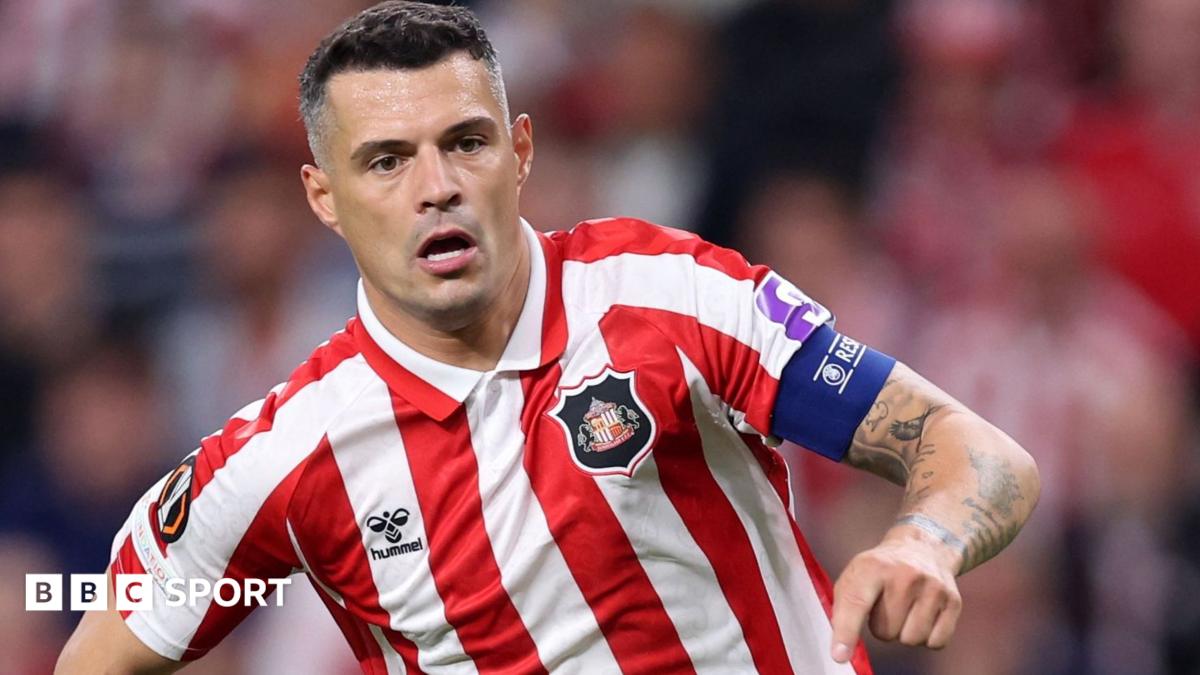
- Sunderland finished seventh with 54 points in 2025/26, the joint-best finish by a promoted side since Wolves in 2018/19.
- Leeds United ended 2025/26 in 14th, eight points clear of relegation.
- Burnley were the only promoted club relegated in 2025/26.
- Hull and Ipswich each collected nine points from their first six matches of 2026/27.
- Coventry City had six points after six games, recovering from three opening defeats to win their next two.
Why Sunderland's 54-point season is the new promoted-club blueprint
Sunderland's 2025/26 campaign shattered the assumption that promoted sides must simply survive. Their seventh-place finish on 54 points, matching Wolves' 2018/19 achievement, came from maintaining ambition rather than adopting a purely reactive approach. The Black Cats built a side capable of competing further up the table, not merely one organised to avoid defeat.
Leeds United took a different route, finishing 14th but comfortably clear of relegation by eight points. Their survival was less spectacular but equally effective, demonstrating that promoted clubs do not need identical styles — they need systems that suit their squads and withstand Premier League pressure. Burnley's immediate return to the Championship as the only relegated newcomer in 2025/26 underlined how fine the margins remain.
The 2026/27 cohort — Coventry City, Ipswich Town and Hull City — are attempting to follow that more successful path. After six matches, Hull and Ipswich had each collected nine points, while Coventry had six. All three sat outside the relegation zone, but history warns that a promising start alone guarantees nothing.
Recruit for specific Premier League problems, not just names
Promotion typically triggers extensive transfer activity, but the number of signings matters less than whether they solve identifiable problems. Premier League survival demands pace in defence, physical strength in midfield and attackers who convert limited chances. Promoted clubs may spend long periods without the ball, so they also need players capable of carrying it forward and relieving pressure.
Experience can be valuable, but signing names simply because they have previously played in the division is rarely enough. Recruitment must complement the system responsible for promotion. A possession-based team may require defenders comfortable receiving under pressure. A counter-attacking side needs forwards with the speed and decision-making to exploit transitions. Clubs planning to play more directly need a striker capable of protecting the ball and midfielders positioned to collect second balls.
Loans can provide access to talent that would otherwise be unaffordable. However, building too much of the starting side around temporary players can create instability and limit long-term value. The balance between immediate survival and sustainable squad-building is one of the toughest tests a promoted club faces.
Preserve the promotion identity while adapting to the top flight
A promoted club must adapt, but abandoning everything that made it successful can be equally damaging. Players understand the existing system, and confidence is often built around it. A team promoted through aggressive pressing or patient possession may struggle if immediately instructed to defend deep in every Premier League match.
The challenge is deciding which aspects remain effective at the higher level. A high defensive line may need greater protection, while a build-up structure might require a more direct alternative against intense pressure. Sunderland demonstrated the value of maintaining ambition during 2025/26. Rather than approaching survival as the only possible objective, the club built a side capable of competing further up the table. Leeds followed a different route, finishing 14th but remaining comfortably clear of relegation.
Survival does not require every promoted club to play in the same way. It requires a style that suits the squad and can withstand Premier League pressure. The identity that earned promotion must be preserved in spirit, even if specific tactical elements are adjusted.
Turn home matches into an advantage
Promoted clubs do not need to defeat the title contenders regularly. Their survival is more likely to depend on results against teams in the bottom half. Home fixtures are particularly important. Familiar surroundings and strong support can help a promoted team play with greater intensity, especially before opponents have adjusted to its style.
Hull and Ipswich made encouraging use of their home matches during the opening six rounds of 2026/27. Both collected six points from their first three home fixtures and lost only once between them. A strong home record also reduces dependence on difficult away victories. Fourteen teams compete outside the traditional "big six", giving a promoted club numerous opportunities to take points from opponents with comparable resources or inconsistent form.
However, home ambition must be controlled. Committing too many players forward can leave space for Premier League attackers to exploit. The best promoted teams combine energy with defensive structure rather than allowing the atmosphere to turn matches into uncontrolled contests.
Improve the defence without becoming passive
The difference between the Championship and the Premier League is often most visible in the penalty areas. Mistakes are punished more consistently, while opponents need fewer chances to score. Promoted teams must reduce the number of clear opportunities they concede. That might involve protecting the centre of the pitch, improving set-piece organisation or ensuring fewer players are caught ahead of the ball.
Defensive improvement does not necessarily mean retreating towards the penalty area. Sitting deep for long periods can create relentless pressure and leave the striker isolated. Teams still need an escape route. A quick winger, a forward who can hold up possession or a midfielder capable of carrying the ball can move play away from the defensive third. Without those options, clearances simply start another opposition attack.
Goal difference should also be protected. A promoted side will suffer defeats, but avoiding repeated heavy losses can preserve confidence and provide a practical advantage if the relegation battle remains close.
Make set pieces a major weapon
Set pieces provide promoted clubs with repeatable opportunities that do not depend on dominating possession. Corners, free-kicks and long throws can be prepared in detail on the training ground. Intelligent movement and accurate delivery can help reduce the gap in individual quality between teams.
The value extends to defending. Conceding unnecessary set-piece goals can be particularly damaging when open-play chances are already difficult to create. Clear marking responsibilities, strong first contact and organisation around second balls are essential. A club does not need to score from set pieces every week. Even creating consistent danger can change how opponents defend and generate space elsewhere.
For teams expected to be involved in close, low-scoring matches, a few additional set-piece goals could be the difference between relegation and survival.
Keep the managerial decision rational
Poor runs are inevitable, and a promoted club may need to decide whether its manager can reverse one. That decision should be based on performance rather than panic. Results alone can be misleading. If the team is creating competitive chances, limiting opponents and losing narrow matches, improvement may be possible without a change in the dugout.
Talking points
- Is the eight-point threshold from five games a genuine survival predictor or a statistical quirk that ignores fixture difficulty? Promoted clubs facing three top-six sides early could be unfairly judged.
- Should promoted clubs prioritise permanent signings over loans even if it means lower immediate quality? Sunderland's model suggests long-term planning can deliver mid-table security.
- Is Sunderland's seventh-place finish a realistic target for Hull, Ipswich and Coventry, or an outlier that raises expectations dangerously?
- How much should promoted clubs compromise their promotion-winning style to survive? Leeds' 14th-place finish suggests pragmatism works, but at what cost to identity?
What happens next
Coventry City, Ipswich Town and Hull City continue their 2026/27 campaigns with the next round of Premier League fixtures. Hull and Ipswich will look to build on nine-point starts, while Coventry must prove their recovery from three opening defeats is sustainable. The data is clear: early points create a platform, but survival demands intelligent recruitment, tactical adaptation and home-field dominance across the full season.
Frequently asked questions
How many points do promoted clubs need from their first five games to avoid relegation?
Historically, eight points from the opening five matches has been a guarantee of survival. None of the 16 promoted teams to reach that mark have been relegated, while only four of the 29 to take at least seven points went down.
Which promoted clubs are in the Premier League for 2026/27?
Coventry City, Ipswich Town and Hull City are the promoted clubs for 2026/27. After six matches, Hull and Ipswich had each collected nine points, while Coventry had six, and all three were outside the relegation zone.
How did Sunderland survive and finish seventh in 2025/26?
Sunderland finished seventh with 54 points, the joint-best finish by a promoted side since Wolves in 2018/19, by maintaining ambition rather than approaching survival as the only objective and building a side capable of competing further up the table.
Related Articles
Filed under: Tactical Analysis | LA Premier League Home