Premier League new managers average 1.27 points per game in their first five matches — up from 0.90 before the change
Since the start of 2021/22, 35 permanent Premier League managers appointed mid-season and lasting at least five league games have averaged 1.27 points per match across their first five fixtures. The same clubs had averaged just 0.90 points per game before the change, a jump of nearly 0.4 points per game.
- Sample: 35 permanent managers appointed during a Premier League campaign since 2021/22, each lasting at least five league matches that season
- Points before the change: 0.90 per game at the same clubs
- Points after the change: 1.27 per game across the first five matches
- 2025/26 best examples: Liam Rosenior at Chelsea and Michael Carrick at Manchester United both averaged 2.6 points per game in their opening league fixtures
- Counter-example: Ivan Jurić's spell at Southampton in 2024/25 showed a managerial change can make results worse
- Stakes: Relegation, missing a major objective, or recovery — clubs change managers when results deteriorate and supporters grow frustrated
Why results improve so quickly
The most obvious explanation is atmosphere. A struggling team can become trapped in a cycle of poor results, declining confidence and cautious performances. A new manager interrupts that pattern before it hardens further.
Training methods change, established positions are reconsidered and players who had fallen out of favour receive another opportunity. Nobody's place is secure because the new manager has not yet settled on a preferred starting line-up — so intensity rises.
Players may run more, press more aggressively and show greater concentration. Communication can also have an immediate effect: a manager arriving during a difficult period may simplify instructions, reduce tactical uncertainty and hand players a small number of clear responsibilities.
The team does not need to absorb an entirely new system overnight. Sometimes it only needs greater clarity.
A tactical reset can fix specific weaknesses
Not every managerial change requires a complete tactical transformation. The most successful short-term appointments often begin by addressing the team's most urgent problem — and nothing more.
A side conceding too many goals might defend in a more compact shape or add another holding midfielder. A team struggling to create chances could move its most dangerous player into a central position. Changes to set-piece responsibilities can also produce quick gains without demanding months of preparation.
Opponents have less information about the new approach. They can study the manager's previous teams, but predicting the precise formation, pressing structure and starting line-up is difficult during the opening matches. That uncertainty is a temporary advantage — once other clubs collect enough footage and identify recurring patterns, the new manager must keep adapting.
The fixture list can distort the bounce
One of the biggest problems with evaluating a new appointment is that clubs rarely change managers at random. Dismissals often follow a particularly difficult sequence of fixtures.
A team may have just faced several title challengers or lost a series of challenging away matches. The new manager then arrives before a more favourable run — and results might have improved even without the change.
The reverse is also possible. A manager can inherit an extremely difficult schedule and appear to have made little impact, despite improving performances. Comparing points per game without accounting for the quality and location of the opposition can therefore produce a misleading conclusion.
Expected goals, shot quality and expected points add useful context. If a team begins creating better chances and allowing fewer after the appointment, there is stronger evidence of genuine improvement. If performances remain largely unchanged but several narrow results go its way, the bounce may depend more on short-term variance than coaching.
Regression to the mean matters more than most fans admit
Managers are usually dismissed when results reach their lowest point. Finishing may have become unusually poor, opponents may be scoring from difficult chances, or several close decisions may have gone against the team.
These extremes rarely continue indefinitely. Even without a major tactical change, results are likely to move closer to the team's underlying level — the statistical phenomenon known as regression to the mean.
It can make the new manager appear responsible for an improvement that was statistically likely to happen anyway. A forward who missed several good opportunities under the previous manager may begin converting similar chances after the change. A goalkeeper could recover from a difficult run. Injured players may return at the same time.
All of those developments can contribute to better results without being created entirely by the appointment. The new manager may still deserve credit for improving confidence or organisation, but separating that influence from natural variation is difficult.
The numbers
- 35 — permanent Premier League managers appointed during a campaign since 2021/22 who stayed at least five league matches that season
- 1.27 — average points per match across those managers' first five games
- 0.90 — average points per game at the same clubs before the change
- 2.6 — points per game for Liam Rosenior at Chelsea across his opening league fixtures in 2025/26
- 1.47 — Chelsea's points-per-match average before Rosenior's appointment
- 2.6 — points per game for Michael Carrick at Manchester United across his opening league fixtures in 2025/26
- 1.52 — Manchester United's points-per-match average before Carrick's appointment
Rosenior and Carrick set the 2025/26 benchmark
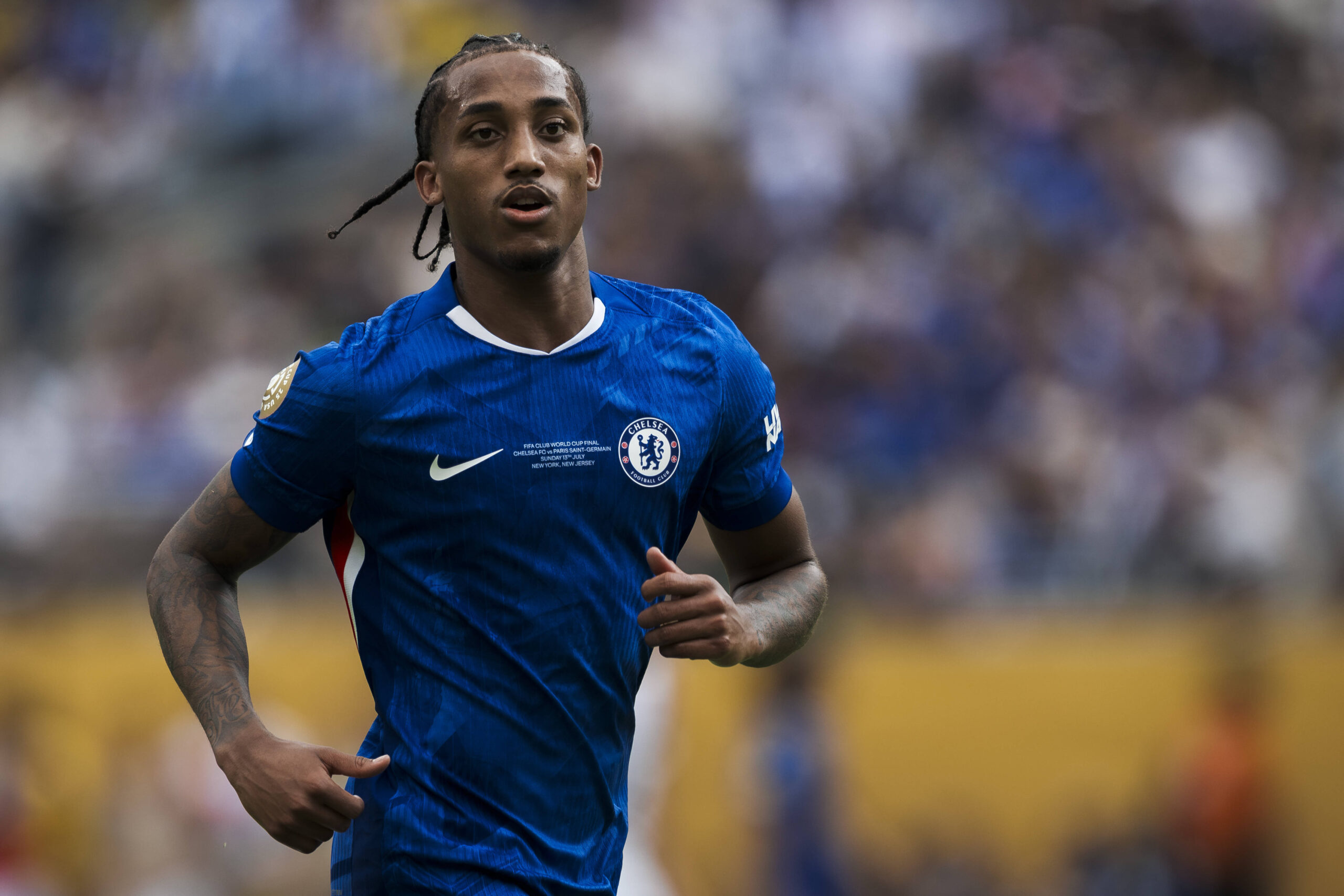
The 2025/26 season provided striking modern examples. After taking over at Chelsea, Liam Rosenior averaged 2.6 points per game across his opening league fixtures, against a pre-appointment average of 1.47 at the club.
At Manchester United, Michael Carrick matched that 2.6 points per game, with United having averaged 1.52 before his appointment. Both increases looked like classic new-manager bounces — almost a full point per game in Chelsea's case.
But the league has also produced appointments that failed to inspire any recovery. Ivan Jurić's spell at Southampton during 2024/25 is a reminder that changing the manager can make results worse rather than better.
The contrast matters. Successful appointments receive considerable attention, while ineffective ones quickly become part of a wider story about the club's problems. That creates a form of selection bias in how the bounce is remembered — supporters are more likely to recall a dramatic revival than a change followed by the same inconsistent results.
Why timing can matter as much as identity
A new manager has a better chance of making an impact when there is enough time left to change the team's direction. Replacing a manager early in the season provides opportunities to assess the squad, introduce tactical ideas and use a transfer window.
A late appointment may depend on immediate motivational impact, because there is little time for detailed coaching. The condition of the squad matters too: a manager inheriting a talented but underperforming group has more room to generate a quick improvement than one taking over a team with major weaknesses in several positions.
Club structure determines whether the bounce lasts. Recruitment, medical support and communication between the board and coaching staff all affect the manager's ability to turn early energy into sustained progress. A charismatic appointment might improve morale for a month, but enthusiasm cannot permanently overcome an unbalanced squad or confused recruitment strategy.
Why the effect fades — and what the 1.27 actually measures
The initial period contains a natural sense of possibility: training feels different, supporters are more patient, players respond to a fresh voice. Eventually that novelty disappears. The manager must make difficult selection decisions, tactical weaknesses become visible and players who are not regularly selected may become dissatisfied again.
Opponents adjust as well. A defensive system that produced several early victories may be examined and targeted. Teams might change their build-up to evade the press or find ways to isolate a vulnerable defender.
So the first five matches measure something different from the next 20. Short-term improvement can be created through energy, simplicity and surprise. Long-term success requires recruitment, tactical development and the ability to respond when the original plan stops working — which is why 1.27 points per game is a starting point, not a forecast.
Talking points
- If a bounce is largely regression to the mean, clubs should judge new managers on expected goals and shot quality over the first ten games — not raw points across the first five.
- Rosenior and Carrick both hit 2.6 points per game, but Chelsea's jump from 1.47 was far larger than United's from 1.52 in relative terms. Which appointment was the better short-term fix?
- A favourable fixture list can flatter any appointment. Should clubs deliberately schedule a difficult run before sacking a manager — or does that simply delay the inevitable?
- Jurić at Southampton proves a change can backfire. Boards weighing a mid-season sacking should ask whether the squad's weaknesses are coaching problems or structural ones.
What happens next
The next five matches under any newly appointed Premier League manager remain the comparison point: 1.27 points per game is the since-2021/22 benchmark their start will be measured against. Boards weighing a change should first check the fixture difficulty and underlying shot data, because the immediate lift is real but rarely automatic or sustainable.
Frequently asked questions
Do new Premier League managers actually get a bounce?
Yes, at least in the short term. Since 2021/22, 35 permanent mid-season appointments lasting at least five league matches averaged 1.27 points per game in their first five, up from 0.90 beforehand.
How many points per game did Rosenior and Carrick average after taking over?
Both Liam Rosenior at Chelsea and Michael Carrick at Manchester United averaged 2.6 points per game across their opening league fixtures in 2025/26, against prior club averages of 1.47 and 1.52.
Does the new-manager bounce always last?
No. The article explains the effect often fades as novelty disappears and opponents adjust, and Ivan Jurić's 2024/25 spell at Southampton shows a change can make results worse.
Related Articles
Filed under: Tactical Analysis | LA Premier League Home