Match Preview: Stamford Bridge — Chelsea vs. Manchester City
Recent Form Analysis
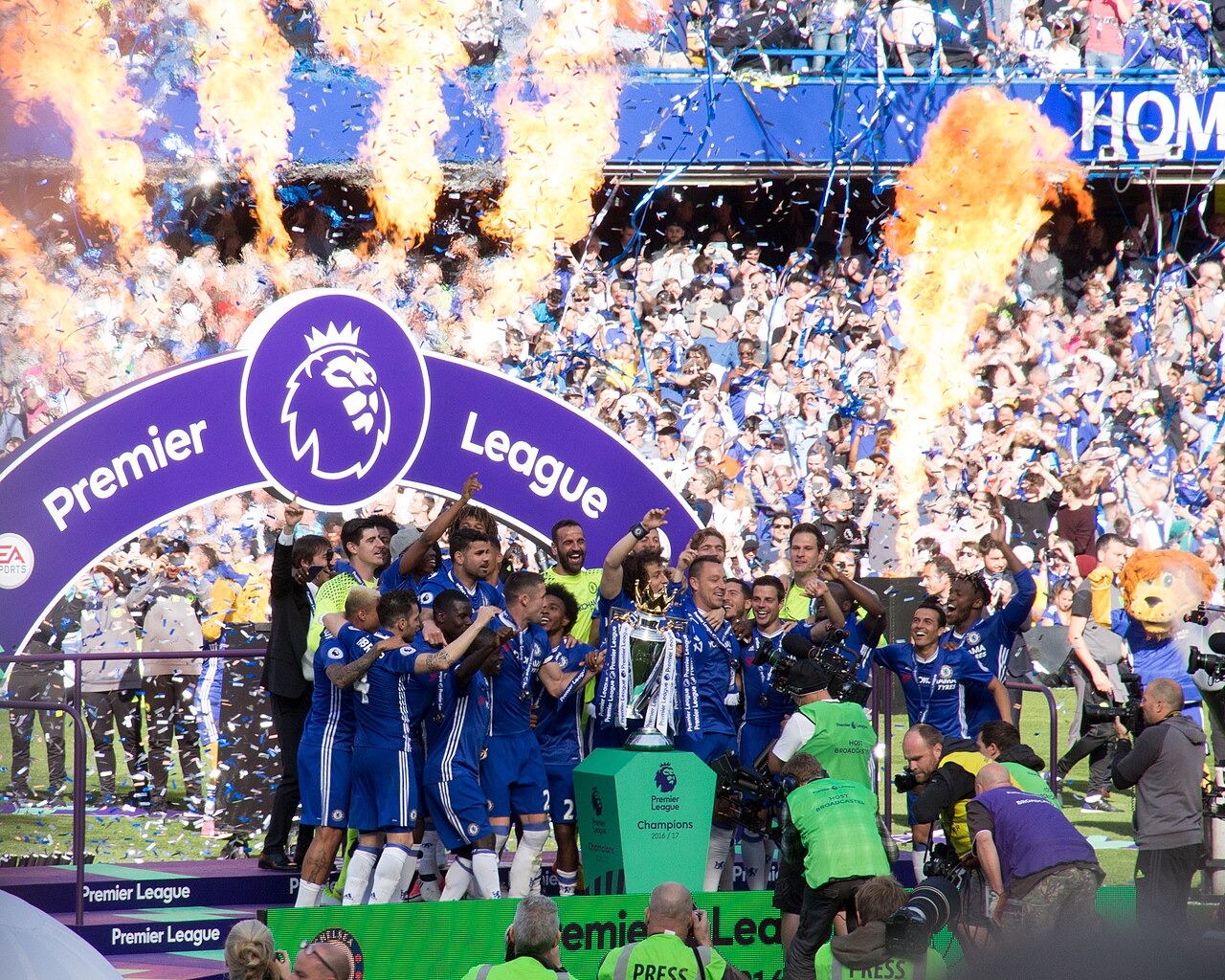
Chelsea arrive on a five-match unbeaten run in the league (W3, D2), but their last two outings — a 1-1 draw at Brentford and a laboured 2-1 win over a 10-man Wolves — exposed a lack of ruthlessness in the final third. The Blues’ xG has dipped to 1.4 per game, down from 2.1 in September, and their high press has become disjointed after the loss of Nicolas Jackson to injury. City, meanwhile, have wobbled to just two wins in their last six games (D3, L1), with Rodri’s absence still bleeding into their defensive transition stats — they concede 1.8 big chances per match without him. Yet Pep Guardiola’s side remain the league’s best possession side (63% average), and their 0.9 goals conceded per away game hides a recent vulnerability to direct counters (spurs and Brighton both exploited this).
Key Tactical Battles
1. Midfield Control: Caicedo & Lavia vs. Kovacic & Bernardo
This is the crux. Chelsea’s double pivot must suffocate City’s half‑space rotations. Lavia’s physicality against Kovacic’s line‑breaking carries will decide the tempo. If City bypass the press with quick vertical passes into Foden (who drifts wide left), Lavia must step out early — a risk that opens lanes for Bernardo’s infield runs. Watch for Chelsea’s Cole Palmer dropping deep to create a 3v2 overload in central zones, forcing Kovacic to choose between Palmer and Caicedo.
2. Wide Duels: Madueke vs. Gvardiol; Doku vs. Cucurella
City’s left side is their main attacking artery. Doku’s 1v1 dribbling (5.1 per 90) will terrify Cucurella, who has been excellent in duels but can be dragged narrow. Chelsea must double up with a winger — likely Madueke — tracking back to protect the half‑turn. On the flip side, City’s Gvardiol is prone to stepping high; Madueke’s pace in behind (he made 4 sprints vs. Villa) could force Dias to shift wide, leaving space for Jackson’s replacement, Kai Havertz (if fit), to attack the vacated central channel.
3. Defensive Transition vs. City’s Rest‑Defence
City’s full-backs (Walker and Gvardiol) invert to form a 3-2-5 in possession. Chelsea must exploit the wide lanes when City lose the ball. Expect Enzo Fernández to launch diagonal switches to the far flank, targeting the space behind Walker, who often stays high. If Chelsea can win second balls in midfield and spring a 3v3 break, they’ll find City’s centre‑backs isolated — this is their clearest route to scoring.
Predicted Outcome
Chelsea will sit slightly deeper than usual (average defensive line at 47m, not 52), conceding possession to invite City’s patient build‑up. The hosts’ best chance comes from set‑pieces and one‑touch counters, where Palmer’s vision and Madueke’s directness can unsettle City’s unorganised rest‑defence. City, however, have the superior individual quality in the final third — Håland’s movement against Disasi is a mismatch. A stop‑start game with few clear chances is likely. I expect a 1-1 draw, with a late City equaliser after Chelsea’s legs fade from pressing intensity — or a 2-1 City win if Chelsea’s second‑ball discipline drops after the 70th minute. The safer bet: a gripping, cagey stalemate that proves both sides’ title hopes are real but flawed.