Back in the Big Time: Assessing the Survival Chances of Coventry, Ipswich and Hull
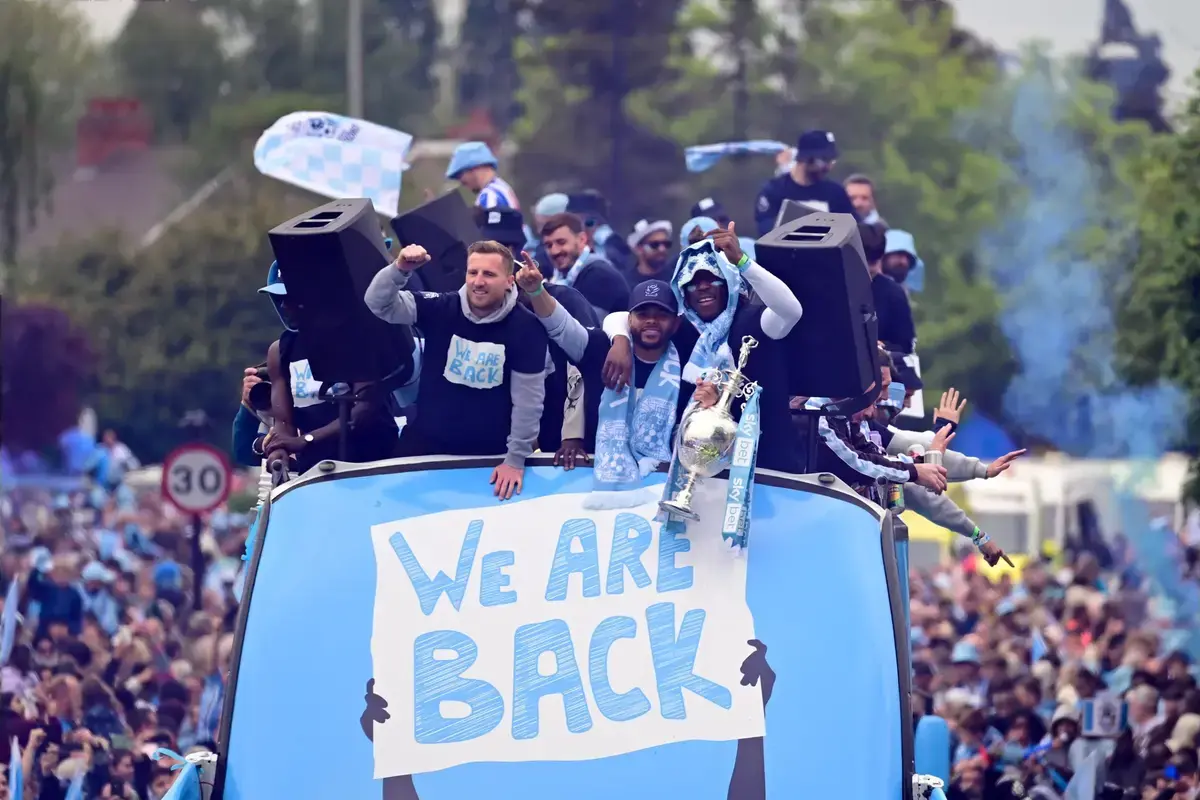
Promotion to the Premier League is often described as reaching the promised land, but for newly promoted clubs, the celebration rarely lasts long. Coventry City, Ipswich Town, and Hull City have earned their place among England's elite, but history suggests the odds are stacked against them.
The Financial Reality of Promotion
The financial rewards of reaching the Premier League are enormous, with even the relegated clubs receiving substantial parachute payments. However, the gap in spending power between established top-flight sides and newcomers has never been wider. Coventry, Ipswich, and Hull must navigate this disparity while strengthening their squads on a fraction of the budget available to their rivals.
For every Leicester City or Brentford that have successfully established themselves, there are countless examples of clubs like Norwich City, Watford, and Fulham who have yo-yoed between divisions. The key difference often lies in how effectively the promoted side uses its transfer window and adapts to the tactical demands of the Premier League.
Tactical Adaptation: The Biggest Challenge
Premier League football demands a higher level of intensity, organisation, and technical quality. Teams that dominate possession in the Championship often find themselves struggling to keep the ball against better-coached top-flight defences. Pressing systems must be more structured, set-piece routines more precise, and defensive transitions significantly quicker.
Coventry, under Mark Robins, have shown tactical flexibility in the Championship, but whether their style can translate to a league where every opponent possesses elite-level athletes remains to be seen. Ipswich, under Kieran McKenna, have been praised for their attractive, possession-based approach, but they will need to tighten up defensively to avoid being exposed. Grant McCann's Hull side have relied on resilience and counter-attacking football, but that alone may not be enough to pick up points consistently.
Historical Precedents: Lessons from Recent Seasons
The 2022-23 season saw all three promoted teams (Fulham, Bournemouth, Nottingham Forest) survive, a rare occurrence. More commonly, at least one promoted club goes straight back down. In 2024-25, Luton Town, Burnley, and Sheffield United all struggled, with Burnley's high-spending approach failing to yield results, while Luton's limited budget led to relegation despite their fighting spirit.
The lesson is clear: spending money does not guarantee survival, but failing to invest wisely almost certainly leads to relegation. Clubs must identify players who not only improve the starting XI but also fit the manager's tactical system. A scattergun transfer policy, as seen with Nottingham Forest's 22 signings in 2022-23, can disrupt squad harmony and waste resources.
Key Factors for Survival
Several elements will determine whether Coventry, Ipswich, and Hull can stay up:
Recruitment quality: Identifying players with Premier League experience or high potential who can contribute immediately.
Managerial experience: Each manager faces the toughest test of their career, and their ability to adapt tactics mid-season will be vital.
Fan support: Home form is critical; packed stadiums can provide the extra energy needed to grind out results.
Injury management: With smaller squads, losing key players to injury can be catastrophic.
What Lies Ahead
The opening fixtures will provide an early indication of each club's readiness. A strong start, particularly in winnable home games, can build confidence and set the tone. The January transfer window offers a second chance to reinforce, but only for clubs who have kept themselves in contention. The battle for survival is a marathon, not a sprint, and those who adapt quickest to the demands of the Premier League will give themselves the best chance of beating the odds.
Related Articles
Filed under: Latest News | LA Premier League Home