Premier League Bans Gambling Sponsors on Shirt Fronts
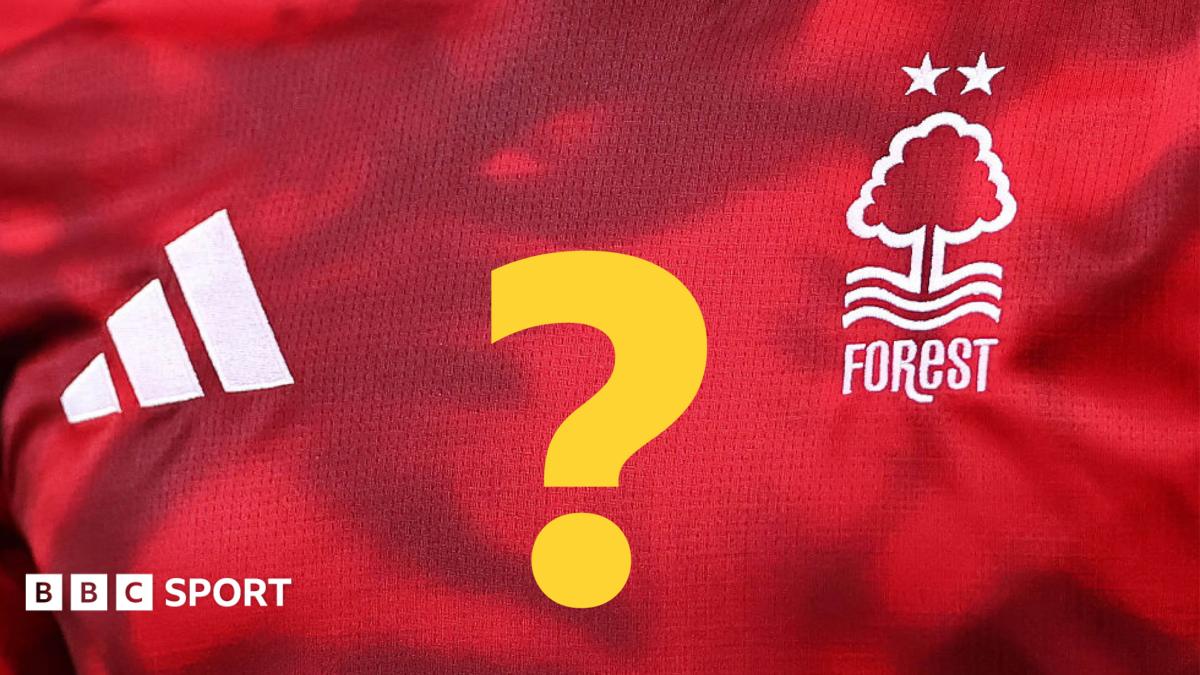
The Premier League has announced a landmark vote to prohibit gambling companies from appearing on the front of shirts, effective from the 2026/27 season. This decision, confirmed by the league's clubs, marks a significant shift in football sponsorship, ending a two-decade relationship with betting brands. Clubs have begun securing alternative partners, with several unveiling new deals ahead of the upcoming campaign.
From Tobacco to Gambling: A Historical Overview
Club shirts have long served as advertising space, with sponsors evolving over time. In the early days, electronics and airlines dominated, but by the 2000s, gambling firms became ubiquitous. Since 2019, over half of Premier League clubs have featured betting logos on their fronts, making the league the most gambling-heavy in Europe. This season, eight clubs will display gambling sponsors, down from a peak of ten. The ban follows a voluntary agreement announced in 2023, with clubs citing social responsibility and regulatory pressure.
Replacing these sponsors is a complex commercial challenge. The league's global appeal offers opportunities in financial services, technology, and cryptocurrency. For instance, a historic London club has partnered with a blockchain platform, while several northern clubs have signed deals with regional banks. These new agreements reflect a strategic pivot towards more 'premium' and 'safe' industries, aligning with broader societal attitudes towards gambling.
Impact on Clubs and Commercial Strategies
The transition will affect club revenues, though not uniformly. Top-six clubs command premium sponsorship rates, while smaller sides may face shortfalls. Sponsorship income is a vital revenue stream, crucial for meeting Financial Fair Play targets. The ban compels clubs to become more innovative, with some exploring sleeve and training kit deals to offset losses.
Tactically, the ban has no direct on-pitch impact, but commercial stability can influence squad building. Enhanced revenues enable investment in players, inadvertently affecting performance. For Fantasy Premier League managers, the shift is irrelevant, but they should monitor transfer activity as clubs adjust budgets.
Looking Ahead: The Future of Shirt Sponsorship
By the 2026/27 season, all 20 clubs must comply, marking the end of gambling giants on shirt fronts. The 'Era of clean shirts' may see an increase in philanthropic or community-focused partners, as seen in other leagues. This ban sets a precedent in European football, likely prompting discussions in other countries.
While the change is welcomed by campaigners, it raises questions about compensation and the potential impact on lower-league clubs dependent on betting revenue. The league has not announced a central fund, but clubs are independently navigating the transition. With new sponsors emerging, the 2026/27 season will showcase a fresh commercial landscape, reshaping the visual identity of Premier League kits.
- Eight clubs currently feature gambling sponsors, down from ten.
- The ban covers shirt fronts only, not sleeves or training wear.
- Examples of replacements include financial platforms and tech companies.
- The Premier League is the first major European league to implement such a ban.
What's Next?
As clubs finalise their 2026/27 kits, fans can anticipate a digital-led branding revolution. The league will likely monitor the financial implications, with a review scheduled before the season starts. This ban could also encourage stricter regulations on gambling advertising across all media. The countdown has begun, and by August 2026, the fabric of Premier League shirts will look distinctly different.
Related Articles
Filed under: Latest News | LA Premier League Home