
The Premier League's Profit and Sustainability Rules Are a Protection Racket
Profit and Sustainability Rules were sold as a safeguard against ruinous overspending. They have become a cartel’s charter—a mechanism for the established elite to pull up the ladder and pick the pockets of aspirants.
From Financial Fair Play to Farce
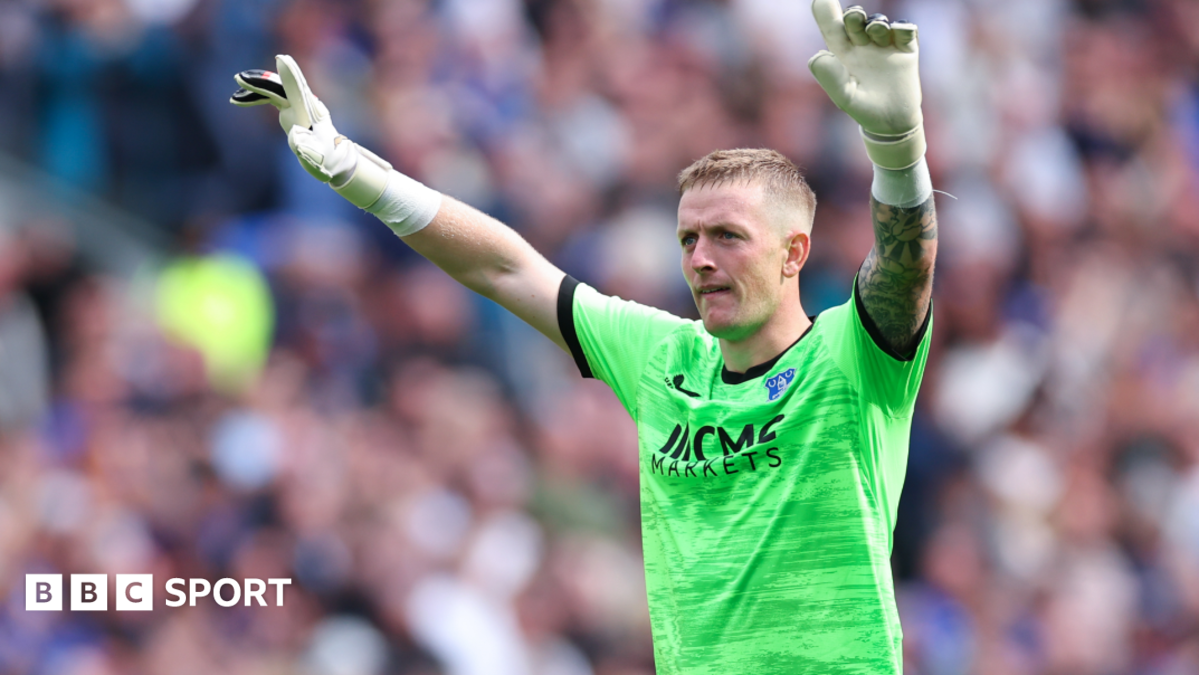
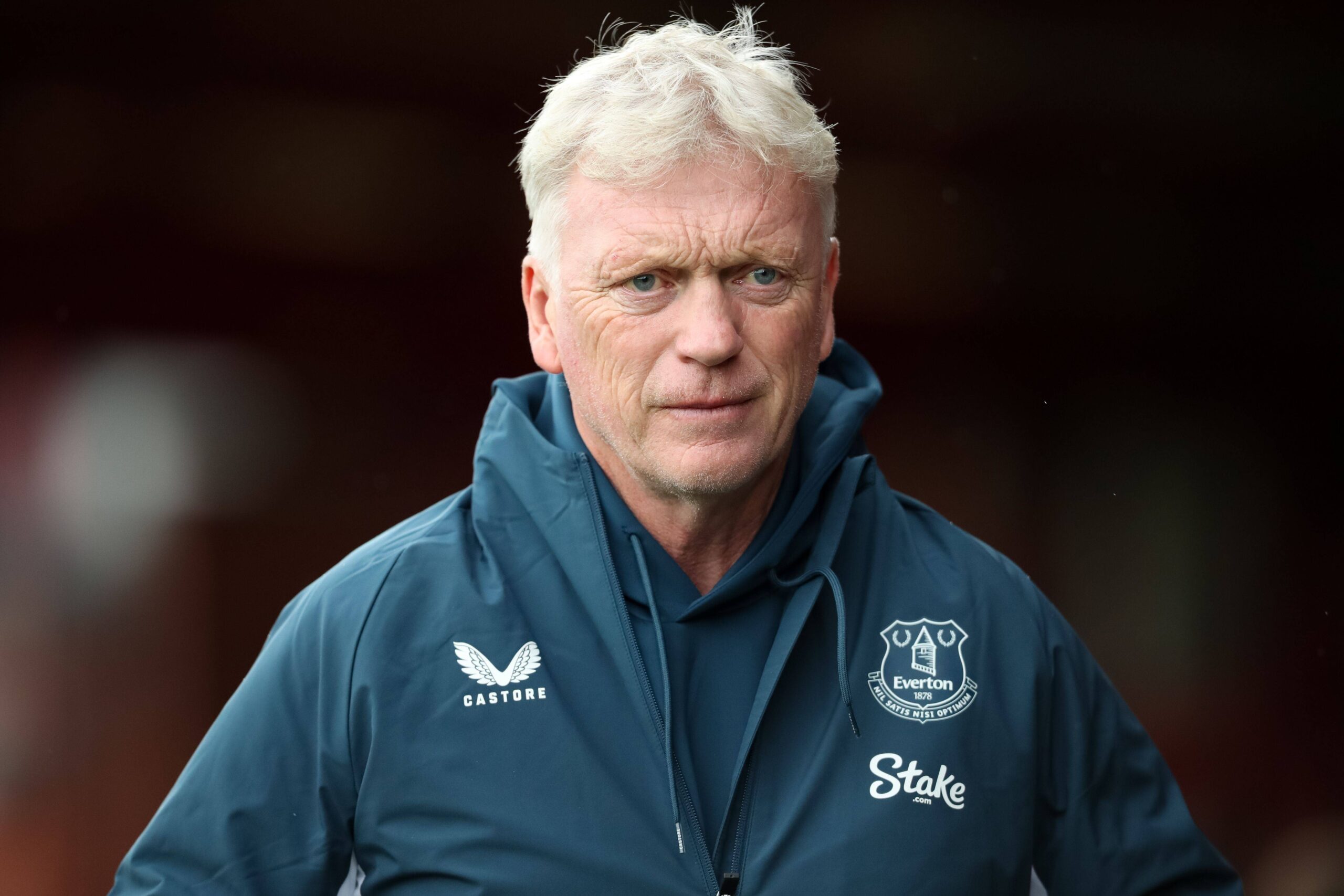
UEFA introduced Financial Fair Play in 2010 to stop clubs spending beyond their means. It quickly mutated into a tool for legacy clubs to lock in advantage. Manchester City, Paris Saint-Germain and Chelsea were early targets, but the real victims were smaller clubs with ambition. Everton were deducted ten points in 2023 for breaching PSR, later reduced to six on appeal. Nottingham Forest received four points for similar offences. Meanwhile, the ‘Big Six’ continue to spend fortunes on transfers and wages without sanction. The rules, it seems, are for the many, not the few.
The Premier League’s PSR allows clubs to lose £105m over three years, but that figure is misleading. It excludes spending on infrastructure, youth development and women’s football. Rich clubs can absorb losses by selling academy players for pure profit—a loophole Chelsea have exploited to the tune of hundreds of millions. Clubs like Everton and Forest lack that luxury, so they are punished for trying to compete.
The Case Against PSR
The stated aim of PSR is sustainability. But the rules do nothing to prevent another Portsmouth or Bury. They only prevent clubs from investing their own money. If an owner wants to pump £200m into a club, why should that be illegal? The Premier League is a private members’ club, and its members have voted to protect themselves. The result is a league where the top six are virtually guaranteed, and the rest fight for scraps.
- Everton were deducted ten points for exceeding PSR limits, despite building a new stadium that will generate hundreds of millions for the local economy. The punishment nearly relegated them.
- Nottingham Forest were docked four points for signing players to stay in the league—the very definition of ambition. Their owner, Evangelos Marinakis, has invested heavily in the club and community.
- Newcastle United, backed by Saudi Arabia’s PIF, are constrained by PSR despite having the wealth to challenge the elite. They cannot spend their way to the top, which is precisely the point.
The rules also distort the transfer market. Clubs are forced to sell academy graduates to balance the books, often to richer rivals. Chelsea have sold Mason Mount, Tammy Abraham and Fikayo Tomori for pure profit, while buying established stars. It is a system that rewards stockpiling and punishes development.
The Counter-Argument: Without Rules, Chaos
Defenders of PSR argue that without financial controls, clubs would spend recklessly, risking administration and undermining the league’s integrity. They point to Leeds United’s collapse in 2004 and Portsmouth’s demise in 2010 as cautionary tales. But those clubs were mismanaged, not merely overspending. A better solution would be strict debt controls and wage caps linked to revenue, not arbitrary loss limits that favour the rich. The current rules are not about sustainability; they are about suppressing competition. If the Premier League truly cared about financial health, it would implement a hard salary cap and revenue sharing, as American sports do. Instead, it tinkers at the edges while the big clubs tighten their grip.
Verdict: PSR Will Fall—and Soon
The writing is on the wall. Manchester City’s legal challenge to associated party transaction rules, set for hearing later this year, could blow PSR wide open. If City succeed, the entire edifice crumbles. Even if they fail, the pressure from clubs like Newcastle, Aston Villa and Everton will force reform. My prediction: within three years, the Premier League will replace PSR with a system that allows greater investment, possibly including a luxury tax. The alternative is a breakaway Super League or legal chaos. The elite may have built the fortress, but the barbarians are at the gate—and they have lawyers.
Related Articles
Filed under: Opinion | LA Premier League Home