
The Sunderland penalty farce proves the problem isn't the technology — it's the people operating it
Stop blaming VAR. Start blaming the people in the booth and on the pitch. Arsenal's win at Sunderland was a masterclass in how not to referee a Premier League match, and the fallout has been predictably misguided.
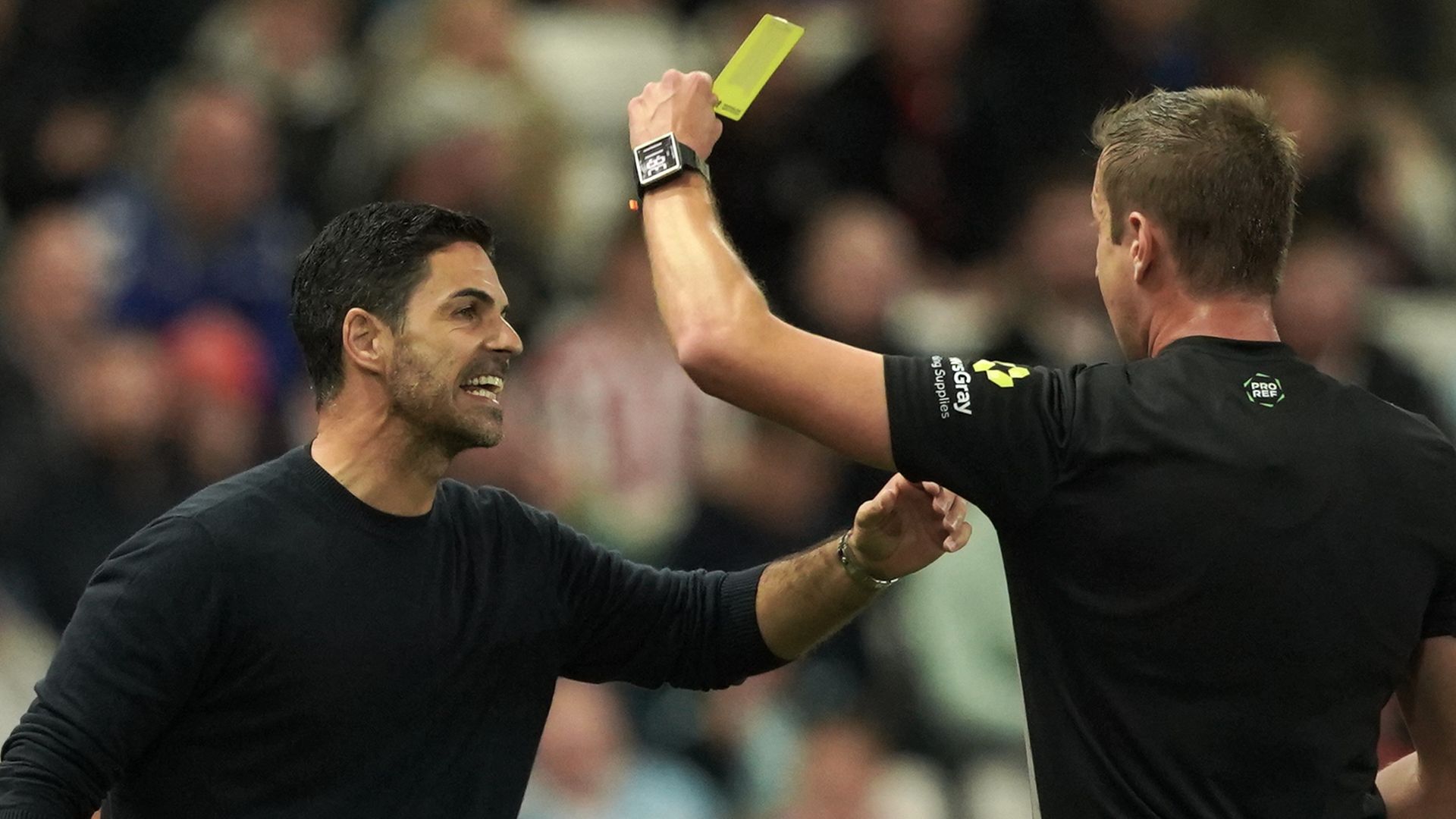
Ashley Williams and Thomas Frank both said the decision was wrong. Mikel Arteta called it 'unprotected' and 'unacceptable.' They're right, but they're missing the point. The problem isn't the concept of video assistance — it's that the officials using it are not good enough.
The rot set in long before Stockley Park
English refereeing has been in decline for a decade. The Professional Game Match Officials Limited (PGMOL) has overseen a generation of officials who are technically proficient but strategically myopic. They can recite the Laws of the Game, but they cannot read a match.
Compare this to the great referees of the past. Jack Taylor, who refereed the 1974 World Cup final, was a butcher from Wolverhampton who understood the rhythm of a game. He knew when to let play flow and when to intervene. Today's referees are mic'd up, over-coached, and paralysed by process.
The statistics back this up. According to Opta, the Premier League has seen a 22% increase in fouls given for minimal contact since the 2019-20 season. In the same period, the average number of cards per game has risen from 3.4 to 4.1. Referees are not managing games; they are micromanaging them.
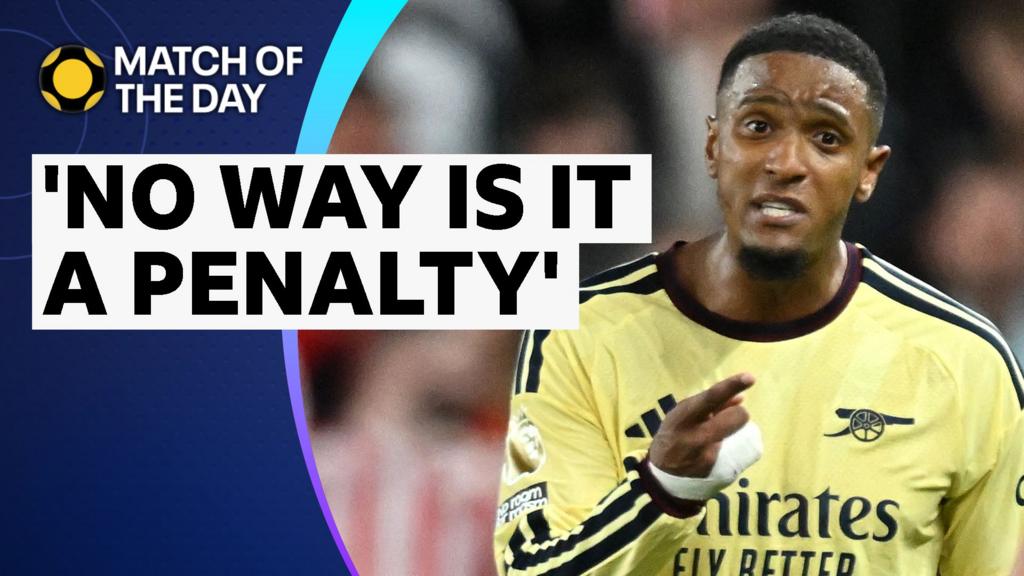
Take the Sunderland penalty. Ezri Konsa's foul on Dan Ballard was a coming-together that would have been waved away in any era before VAR. Yet the on-field referee pointed to the spot, and the VAR — presumably looking for a reason to overturn — found none. Why? Because the threshold for 'clear and obvious' has become so muddled that officials default to the on-field decision, no matter how wrong it is.
The argument: PGMOL needs root-and-branch reform, not more technology
The Premier League has spent millions on VAR, semi-automated offside, and goal-line technology. Yet the standard of officiating has never been lower. The problem is not the tools; it is the craftsmen. PGMOL is a closed shop that promotes on seniority rather than merit, and it protects its own at the expense of the game.
- Accountability is non-existent. When was the last time a Premier League referee was demoted for a string of poor performances? Instead, they are rotated, protected, and given lucrative overseas gigs.
- Training is outdated. Referees are drilled on law, not on game management. They are not taught to read the emotional temperature of a match, which is why we see so many flashpoints.
- Recruitment is narrow. The pathway from grassroots to the Premier League is dominated by former players who couldn't make it professionally, rather than a diverse pool of candidates with different perspectives.
Arteta's frustration is understandable, but his call for 'protection' misses the mark. What Arsenal needed was a referee who understood that a penalty in the 89th minute of a 0-0 game should be given only for a clear, obvious foul. Instead, they got a referee who applied the letter of the law without a shred of common sense.
The counter-argument: VAR has improved decision accuracy, so we should be patient
The standard defence of VAR is that it has increased the percentage of correct decisions from around 82% to over 94%. That is true, but it is also irrelevant. Football is not a spreadsheet. A correct decision that takes four minutes and kills the momentum of a game is not a success; it is a failure of process.
Moreover, the 94% figure is misleading. It counts decisions as 'correct' if they are defensible, not if they are right. The Sunderland penalty was defensible under a strict reading of the law, but it was not right. The same goes for the handball rule, which has become a lottery.
Those who argue for patience point to other leagues. But the Bundesliga and La Liga have similar problems. This is not a Premier League issue; it is a global refereeing crisis. The difference is that the Premier League has the money and the profile to lead the way. Instead, it is mired in mediocrity.
Verdict: PGMOL will resist change until the clubs force it
The Premier League's clubs have the power to demand reform, but they are too busy protecting their own interests. Arsenal, Chelsea, and Manchester United have all benefited from dubious decisions this season. They will not push for change until it costs them points.
My prediction: PGMOL will announce a 'refereeing review' before the end of the season, but nothing meaningful will change. The same referees will make the same mistakes, and the same managers will complain. The only way to fix this is for the clubs to vote for an independent regulator with the power to hire, fire, and train officials. Until then, we are stuck with a system that rewards cowardice and punishes competence.
Arteta is right to be worried and sad. But he should be angry at the system, not the individual. The Sunderland penalty was not an aberration; it was the logical outcome of a decade of neglect. The Premier League has an officiating emergency. It is time to treat it as one.
Related Articles
Filed under: Opinion | LA Premier League Home