The Premier League's Points Deduction Farce Is Now a War on the Poor
Nottingham Forest were docked four points for breaching PSR. Everton lost eight across two hearings. Meanwhile, Chelsea spent £1bn in a single transfer window. The rules are not designed to protect competition — they are designed to protect the established order.
How We Got Here: A History of Financial 'Fair Play'
Financial Fair Play was introduced by UEFA in 2009, ostensibly to prevent clubs from spending beyond their means. But from the start, it was a solution to a problem that didn't exist for the elite. Real Madrid, Barcelona, and Manchester United had built global brands over decades. New money — from Roman Abramovich to Sheikh Mansour — threatened that hierarchy. FFP was the establishment's response.
The Premier League's Profitability and Sustainability Rules (PSR) are even more restrictive. Clubs can lose only £105m over three years. Yet that figure is static while revenues at the top have skyrocketed. In 2010, Manchester United's revenue was £286m. By 2023, it was £648m. The £105m allowance has not changed. It is a cap on ambition that disproportionately affects clubs with smaller commercial bases.
The Argument: PSR Is a Cartel Charter
The evidence is damning. Points deductions are now a regular feature of the Premier League season, but they only ever seem to hit clubs outside the traditional top six.
- Everton were deducted ten points (later reduced to six) for a £19.5m overspend — a fraction of the £1bn Chelsea have spent under Clearlake Capital.
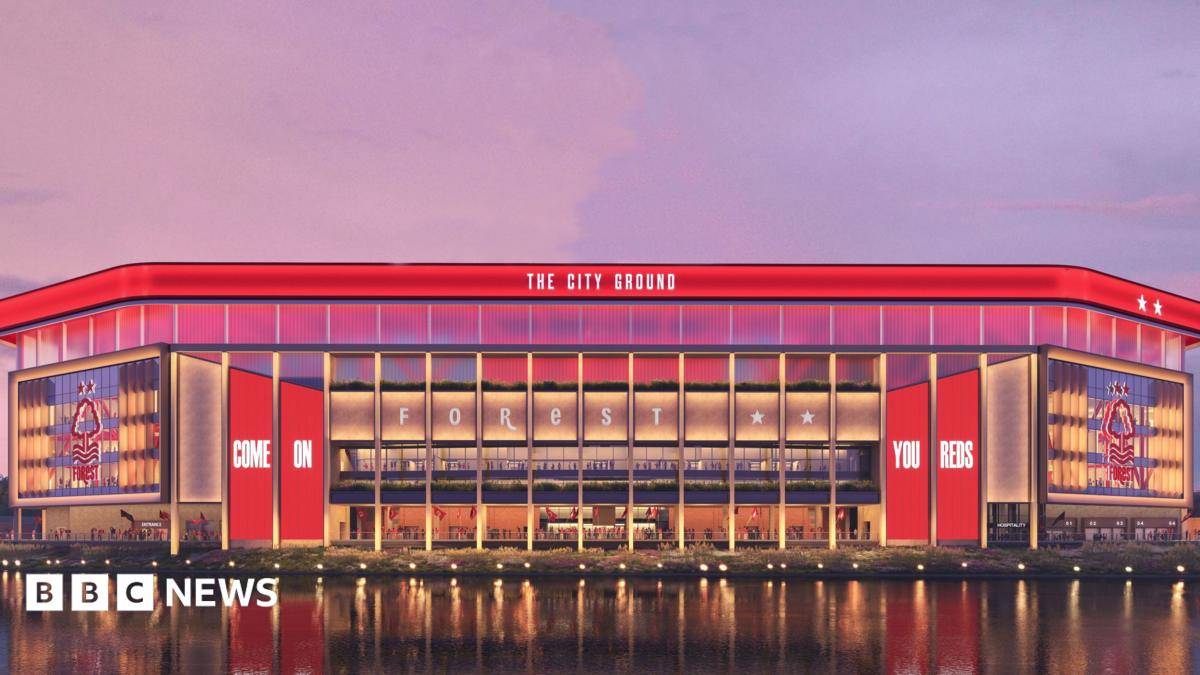
- Nottingham Forest received a four-point deduction for breaching PSR by £34.5m, despite their owner Evangelos Marinakis injecting funds to keep the club competitive.
- Manchester City, facing 115 charges, have seen no points deduction — only a legal process that drags on while they continue to win titles.
The message is clear: if you are a historic giant, financial mismanagement is a matter for lawyers. If you are a newly promoted club trying to stay afloat, it is a matter for the points column.
Consider Leicester City. They won the Premier League in 2016 on a shoestring. In 2023, they were relegated after being unable to invest to stay up because of PSR restrictions. The rules punish clubs for trying to break into the elite and then punish them again when they fall back down. It is a trap.
The Counter-Argument: Without Rules, Chaos
The defence of PSR is that without it, reckless owners would bankrupt clubs. Portsmouth, Bury, and Derby County are cautionary tales. But PSR did not save Bury. It did not save Derby. Those clubs collapsed due to mismanagement, not overspending on transfers. PSR does nothing to prevent owners from extracting dividends or loading clubs with debt — as the Glazers have done at Manchester United, taking over £1bn out of the club while it stagnates.
If the Premier League truly cared about sustainability, it would enforce a salary cap tied to revenue, as the NBA does. Instead, it allows clubs like Manchester City to have 115 charges hanging over them while they sign Erling Haaland and Josko Gvardiol for fees that dwarf the annual budgets of their competitors.
Verdict: The System Will Break by 2026
The current PSR regime is unsustainable. Clubs are already exploring legal challenges. Everton, Nottingham Forest, and Leicester have all questioned the legitimacy of an independent commission that can impose points deductions without a clear appeals process. By the end of the 2025-26 season, at least one club will launch a legal action that forces the Premier League to either reform PSR or face a breakaway. My prediction: Newcastle United, backed by Saudi ownership, will challenge the associated-party transaction rules in court by June 2026. If they win, the entire financial edifice collapses. If they lose, the Premier League will have proven itself a closed shop — and the war on the poor will continue.
Related Articles
Filed under: Opinion | LA Premier League Home