Nottingham Forest's City Ground expansion is approved — but a new bridge condition could delay work
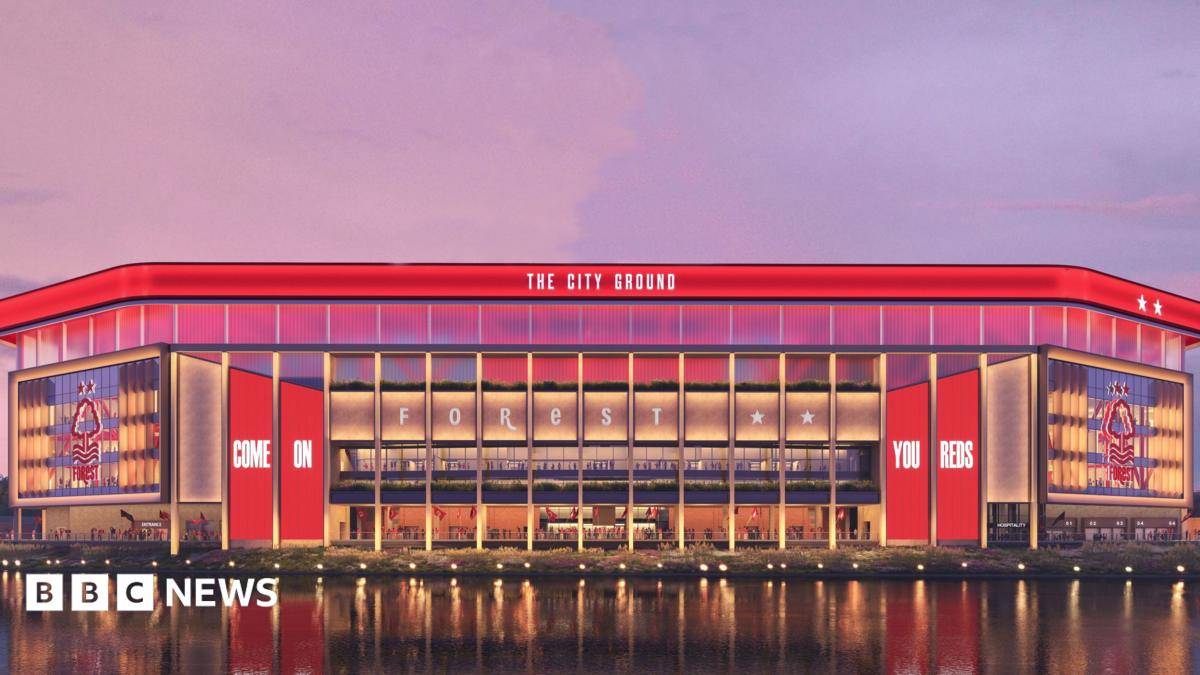
Nottingham Forest have been granted planning permission to expand the City Ground after years of talks and council meetings. The approval, given earlier this week, is a huge step towards the plans becoming reality — but a planning condition on pedestrian capacity over Trent Bridge and unresolved land ownership mean no start date has been set.
- What: Nottingham Forest's stadium expansion plans approved by council
- Capacity increase: Up to 21,300 extra people — a 68% rise
- Key condition: Club cannot start demolition until a new crowd flow solution is agreed
- Funding: Forest to contribute £990,000 towards a controlled parking zone (CPZ) as part of a £4.1m package
- Cost question: The £790m question — when will work start?
- Land: The freehold deal with the city council is yet to go through
The details behind the approval
The last time the City Ground saw major redevelopment work, Stuart Pearce and Stan Collymore still played for the Reds. With the ground regularly reaching capacity since returning to the Premier League, the club's case for expansion seems clear. But talk of redevelopment has rumbled on for at least seven years, and besides a temporary stand made of shipping containers and some cosmetic improvements, the stadium remains much as it was in the mid-90s.
The approval given earlier this week is a huge step forward. But Forest fans have been here before — permission was granted a little over a year ago to increase capacity to 35,000. That never went ahead because, after several consecutive seasons in the top flight and a European campaign under its belt, the club now have bigger ambitions. The new proposals, unveiled a matter of months after the old ones were rubber-stamped, do not quite mean starting from scratch, but their sheer scale required fresh planning permission.
The expansion will involve up to 21,300 more people flocking to a part of Nottinghamshire that is already incredibly busy on a matchday — a 68% increase. For transparency, the author of the original piece speaks from experience as a lifelong Forest fan. But not everyone is, and councils have to consider the impact on all residents, whether they are fans or not.
What was said
"We're not here to block things, we don't want to stop things."
"What we want to do is make sure this really successful team have the stadium they need, but that it also works for the people who live here."
"If you look at where we've unlocked other opportunities in different places through investments, that's certainly within the realm of what we do, but clearly we would need to have a business case and we'd need to look at the details."
"I think we've been open in saying we want to work with stakeholders, that includes the club, our members, and the wider supporter group to understand what can be done, how can supporters and the trust help try and overcome some of those hurdles."
"It's great news for the club, it's great news for the city, it's great news for our supporters and I think everybody is now looking forward to when the works will start."
The numbers
- 21,300: additional people the expansion could accommodate
- 68%: increase in matchday footfall
- £990,000: Forest's contribution towards establishing a controlled parking zone
- £4.1m: total package aimed at getting more people to the ground without cars
- 18 months: maximum period for temporary crowd flow measures if permanent solution takes longer
- 35,000: capacity of the previously approved but unbuilt scheme
- £790m: the question — when will work start?
The Trent Bridge bottleneck and the boathouse
Crowd flow is the biggest barrier to getting spades in the ground. After highways authorities rejected a proposal to permanently close two traffic lanes on Trent Bridge, managing crowd flow has become the biggest outstanding issue. The planning report states: "the pedestrian capacity of Trent Bridge is the principal constraint on the development". Rather than scupper the application, it has been made a planning condition: the club can proceed provided it comes up with another solution.
This does not necessarily have to be a new pedestrian and cycle bridge, but councils either side of the river have made clear that is their preferred option. It has sparked fears among fans that Forest would have to build a new bridge before redeveloping the stadium, potentially adding years. But that is not the case. The condition is structured so the club cannot start demolition work until a new crowd flow solution — which may or may not be a bridge — has been agreed. They then would not be allowed any occupancy above the current capacity until that solution is delivered. In other words, the club could build the stadium and the hypothetical bridge at the same time.
There is also a provision allowing temporary measures for up to 18 months if the permanent solution looks set to take longer than the rebuild. The club has not yet said what it intends to do, though East Midlands mayor Claire Ward seemed to suggest her office could contribute.
Elsewhere, the plans involve demolishing the Britannia Boathouse, home to the Nottingham Rowing Club. Forest have agreed to provide like-for-like facilities somewhere else, which the rowing club supports, but planning documents say although some alternative locations have been discussed, nothing has been confirmed yet. The legal agreement states the current boathouse cannot be demolished until either a replacement is built, or temporary facilities are found followed by a permanent replacement within three years.
Then there is the unresolved matter of who owns the land. After a public row over rent two years ago, which even prompted talk of relocation from the City Ground, an agreement was eventually reached to buy the freehold from the city council. That deal was based on the club getting permission to expand — which it has now been given, twice. But at the time of writing, the deal is yet to go through and the council still owns the land. Nothing suggests it cannot be finalised, but it is another point on the TBC list.
Analysis: Why Marinakis's vision finally aligns
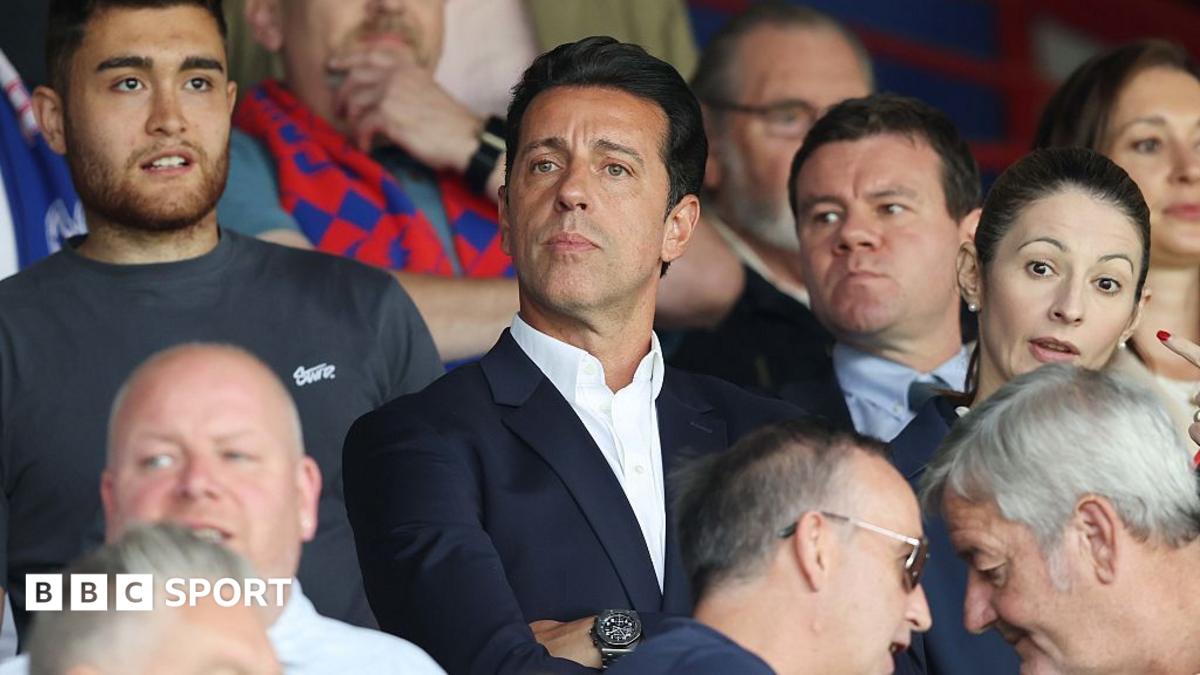
What makes this approval different from previous false dawns? The latest plans align more closely with owner Evangelos Marinakis's vision for the City Ground. Head coach Oliver Glasner said he had discussed the expansion with Marinakis when they met earlier in the week, calling it "great news" for club, city and supporters. That direct line between owner and head coach matters. In the past, expansion talk felt like a distant ambition; now it forms part of the club's on-field identity under Glasner.
The Trent Bridge condition is the immediate tactical problem off the pitch. Forest's £990,000 contribution to the CPZ and £4.1m transport package are attempts to shift matchday travel away from cars. But councillors remain sceptical about how well this "modal shift" will work. A new transport working group featuring the club, councils and stakeholders will monitor it. The real test will be whether thousands of fans can cross the River Trent without overwhelming pedestrian capacity — and whether a solution can be agreed before demolition begins.
For supporters, the mood is cautious optimism. Asif Naidu, chairman of the Supporters' Trust, called the travel issues "clearly not insurmountable". But until the freehold is transferred and the boathouse replacement confirmed, many will still be thinking: they'll believe it when they see it.
Talking points
- Forest can start building while a crowd flow solution is agreed — but should they be allowed to begin before Trent Bridge is sorted?
- The £4.1m transport package and CPZ may struggle to change matchday habits in a city that already has notorious parking issues.
- If the freehold deal from the council is not finalised, could the whole project stall again despite planning permission?
- Is building a new pedestrian and cycle bridge over the Trent the only realistic long-term fix, and who should pay for it?
What happens next
No date has been set for redevelopment to begin. Two critical decisions lie ahead: agreeing a permanent crowd flow solution (whether a bridge or alternative) and completing the freehold purchase from Nottingham City Council. The transport working group will monitor the modal shift strategy. Until those are resolved, demolition cannot start and capacity remains unchanged. Fans will look to the club for a timeline, but with the boathouse replacement also unresolved, the coming months will determine whether this approval finally delivers shovels in the ground.
Frequently asked questions
Has Nottingham Forest's stadium expansion been approved?
Yes, planning permission was granted earlier this week, allowing Forest to expand the City Ground by up to 21,300 seats (a 68% increase), subject to conditions.
When will work start on the City Ground expansion?
No date has been set. The club cannot begin demolition until a new crowd flow solution for Trent Bridge is agreed, and the freehold deal with the city council is yet to go through.
What is the Trent Bridge condition and does Forest have to build a new bridge?
The planning condition states Forest cannot start demolition until a crowd flow solution is agreed. A new pedestrian and cycle bridge is the councils' preferred option, but it is not a requirement. The club could build the stadium and bridge simultaneously.
Related Articles
Filed under: Club News | LA Premier League Home