
Premier League clubs are not football clubs; they are speculative assets in a global casino.
Walk into any stadium on a Saturday and you'll hear the roar of the crowd, but listen closer and you'll hear the rustle of leveraged buyout papers. The Premier League has been transformed into a financial derivatives market where the product on the pitch is merely the ticker tape. In this inverted world, running a club profitably is a sign of failure, while accruing debt is a badge of ambition.
From the Glazer playbook to the Abu Dhabi sovereign fund, the template is consistent: borrow, strip, and sell the narrative.
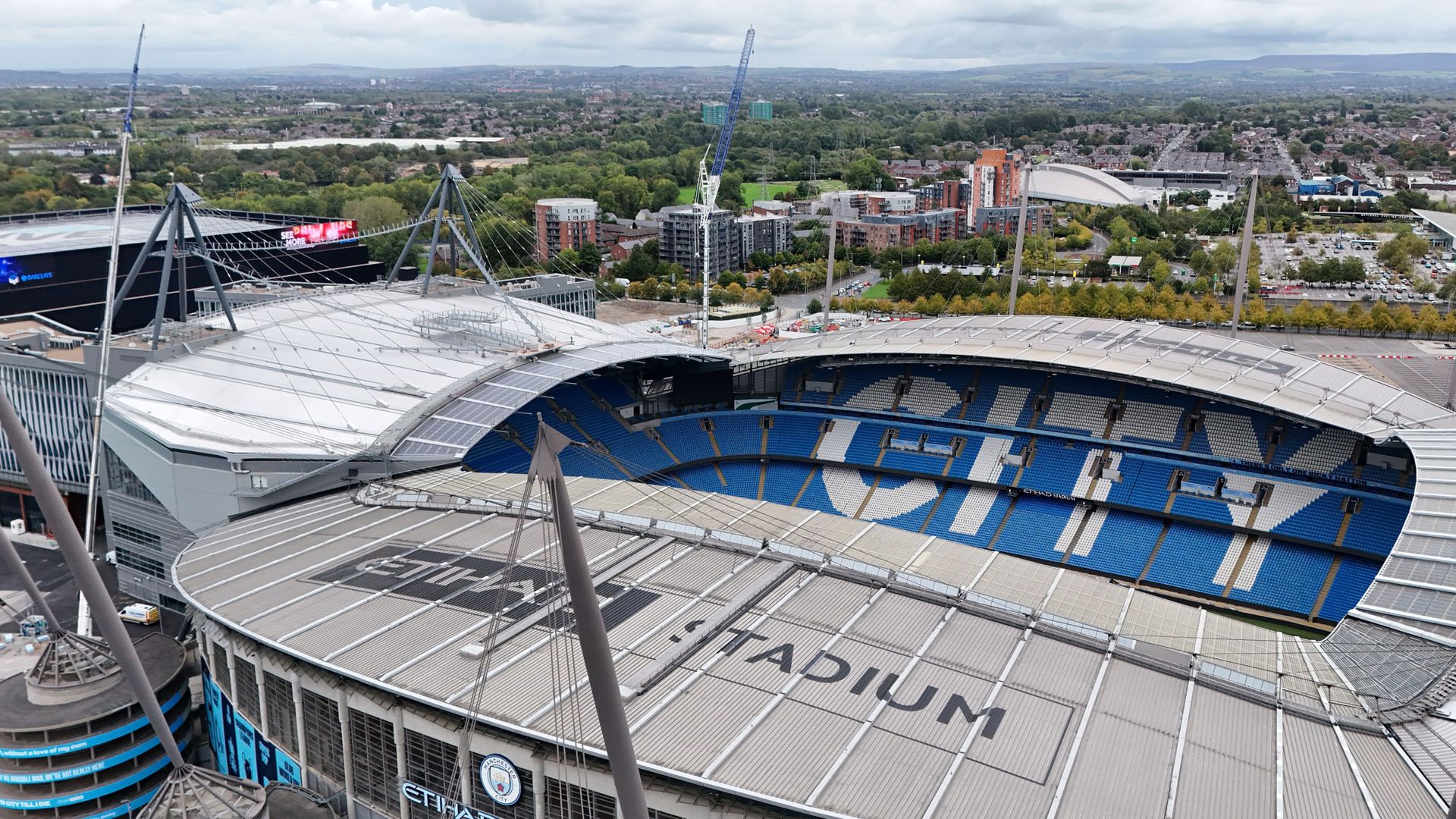
Consider Manchester United, the club synonymous with global branding, yet staggering under £1bn of debt accumulated largely through the Glazer family's leveraged takeover in 2005. They took dividends while the stadium crumbled and the squad withered. That's not mismanagement; that's the business model. Meanwhile, Manchester City's state-backed ownership has pumped billions into transfers and infrastructure, but the real prize is soft power and a property portfolio worth multiples of the football club itself.
The PSR sham: a system that punishes the honest and rewards the leveraged.
Profit and Sustainability Rules (PSR) were meant to curb reckless spending, yet they've become a legalistic smokescreen. Everton and Nottingham Forest were docked points for breaching £105m and £61m losses respectively, but where's the punishment for clubs that load up on debt to pay ownership dividends? The rules fail to distinguish between debt used for infrastructure and debt used as a cash extraction tool. It's a compliance theatre that allows the biggest spenders to structure losses through holding companies and associated party transactions.
The three great hypocrisies of the current model:
- Stadium revenues are overrated – Clubs like Spurs built a £1bn stadium that generates record matchday income, yet they're still miles behind state-backed clubs in commercial spend. The stadium is an asset, but it's also a liability that constrains spending in the transfer market.
- FFP rewards the status quo – The ceiling it imposes on losses actually entrenches the financial divide. Clubs that can't attract global sponsors or wealthy benefactors are trapped in a cycle of selling their best players to balance books.
- Owners are mercenaries – Whether it's the Glazers, the Fenway Group, or the Qataris, the motivation is never 'winning the league' – it's capital appreciation. The club is a vehicle for profit, not a community institution.
Counter-argument: 'But clubs are better run than ever before' – a convenient fiction.
Sure, the commercial departments are slicker. But the financial health of the game is a mirage. Player wages have spiralled to unsustainable levels, transfer fees are absurd, and clubs are leveraged to the hilt. The current 'Americanisation' of ownership – where clubs are run like franchises – prioritises revenue growth over competitive integrity. If you doubt it, look at the failed European Super League, which was nothing but a cartel of wealthy owners seeking to escape the vagaries of sporting merit.
The verdict: a speculator's market will eventually eat itself.
My prediction: within five years, a Premier League club will enter administration due to unsustainable debt – a club not named Everton or Portsmouth. The new wave of private equity investors, who see clubs purely as distressed assets, will trigger a crisis that even the Premier League's sugar rush of TV money cannot mask. The game's guardians will then be forced to choose: reform the ownership model fundamentally, or watch the pyramid collapse under its own greed.
Related Articles
Filed under: Opinion | LA Premier League Home