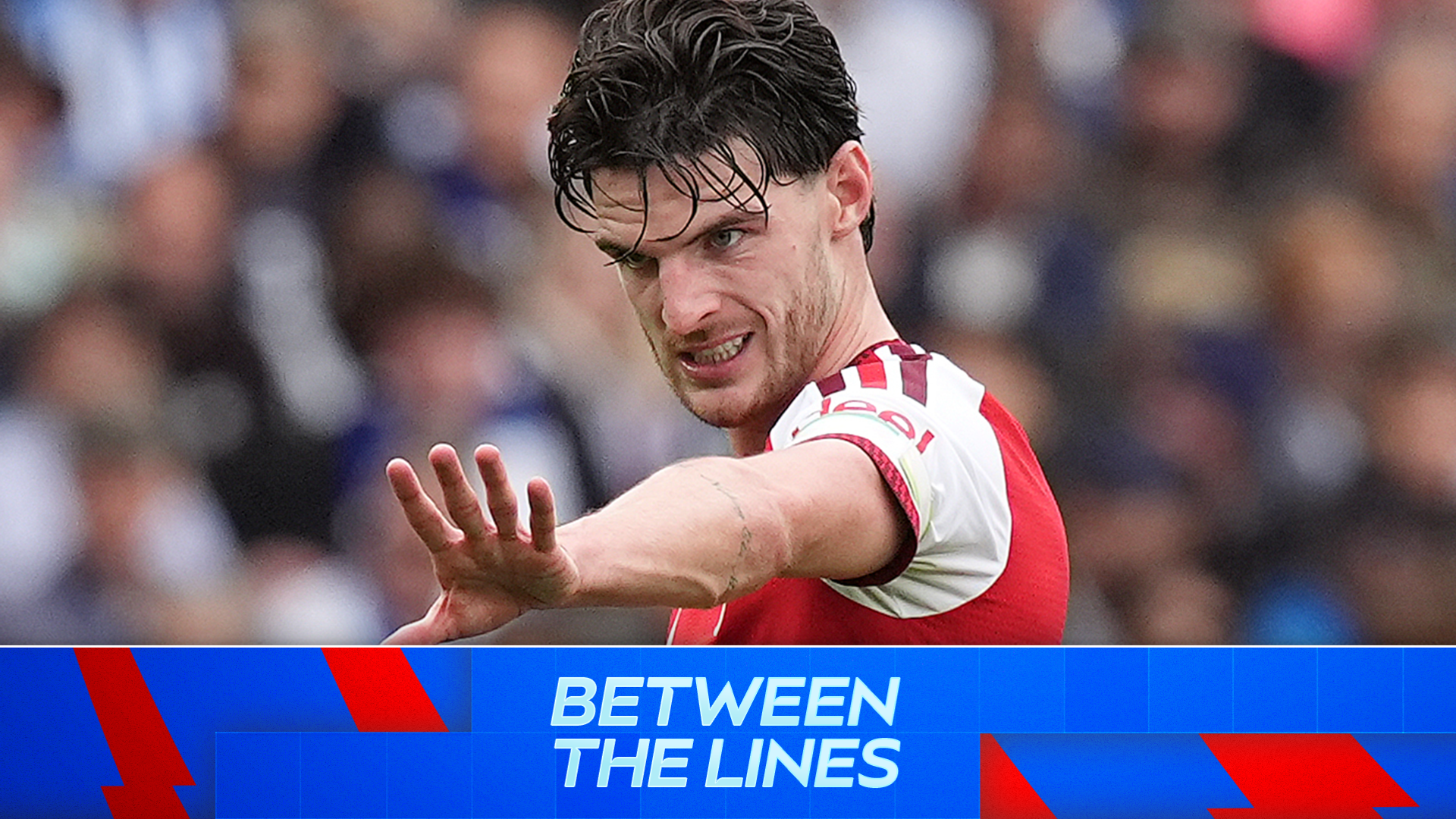

Premier League's Physical Evolution: Taller, Stronger, Faster
The Premier League has long been synonymous with physical football, but the current era stands apart from even a decade ago. Players are notably taller, stronger and quicker, fundamentally altering the league's tactical and stylistic landscape. This evolution is not merely anecdotal; it reflects a measurable shift in athletic profiles across all 20 clubs.
Modern top-flight football demands extraordinary physical attributes. Defenders are built to dominate aerial duels, midfielders to cover expansive ground, and forwards to outmuscle opponents. The result is a league where athleticism often dictates the tempo and outcome of matches, making technical brilliance even more impressive under such physical strain.
Data Behind the Physical Transformation
Recent analyses of player statistics reveal a clear upward trend in height, weight and sprint speeds. The average Premier League squad now features more players who exceed 6 feet tall, particularly in defensive and forward areas. This growth is a direct response to the demands of modern tactics, where set-pieces and transitions are heavily contested.
Sprint data also shows peak speeds have increased, with forwards and wingers capable of explosive acceleration. This shift supports the rise of high-pressing systems that require rapid closing down and recovery runs. Meanwhile, midfielders are increasingly selected for their stamina and ability to sustain high-intensity efforts over 90 minutes.
How This Impacts Playing Styles and Tactics
The physical upgrade has encouraged managers to adopt more direct and transitional approaches. Teams now frequently bypass midfield to exploit space in behind defences, relying on the pace of their forwards. Conversely, the improved strength of defenders allows for more proactive defending, with higher defensive lines and aggressive man-marking.
Set-pieces have gained prominence, with taller players offering greater aerial threat. Corners and free-kicks are now seen as prime scoring opportunities, and clubs invest in specialised coaching to maximise these moments. The ability to dominate physical duels also provides a psychological edge, as opponents are often worn down by relentless pressure.
Statistical Trends and Examples
For context, the average height of Premier League players has increased by nearly two centimetres over the past ten seasons. Similarly, the number of sprints per game has risen by over 15%, reflecting a faster pace of play. These trends are not uniform across all positions; central defenders have seen the most significant height increase, while wing-backs and wide midfielders show the biggest gains in speed.
Clubs are scouting globally for athletes who can immediately adapt to this rigour, often prioritising physical traits over technical finesse at younger ages. This has influenced academy development, with training programmes focusing on strength and conditioning from early youth stages.
Implications for the Title Race and Relegation Battle
Such physicality can be a great leveller, allowing lower-ranked teams to compete fiercely against top sides. Winning second balls and dominating aerial challenges can disrupt even the most technical opponents. For title contenders, an injury to a key physical player can expose weaknesses, while newly promoted teams often invest heavily in physical profiles to survive.
The current season sees several clubs employing a high-intensity pressing game, which requires excellent physical condition. Teams that have managed fixture congestion effectively, with deep squads, tend to fare better in the latter stages. The table underscores this: the top six all feature among the fittest squads, while those struggling often concede late goals due to fatigue.
Historical Precedent and Managerial Adaptation
This era draws parallels to the early 2000s when physical powerhouses like Chelsea and Bolton Wanderers used brawn to challenge the traditionally technical top sides. However, the modern physicality is complemented by superior tactical organisation and technical skill, creating a more balanced yet intense league.
Managers such as Mikel Arteta and Pep Guardiola have adapted by seeking players who combine technical excellence with elite physical traits. The evolution means that a player's success increasingly depends on their athletic ceiling as much as their technical ability. Recruitment strategies now rely heavily on sports science data to predict a player's physical potential.
What's Next for the Premier League
As the trend continues, the gap between the most physical and less physically developed squads may widen, raising concerns about competitive balance. But it also raises the spectacle, with matches becoming more dynamic and unpredictable. Clubs will need to continuously evolve their training methods to stay ahead, and fans can expect even faster, more aggressive football in the coming years.
The Premier League's physical transformation is not just about bigger athletes; it's a revolution that reshapes every facet of the game. Without doubt, this is a defining characteristic of modern football, and its effects will be felt for generations.
Related Articles
Filed under: Tactical Analysis | LA Premier League Home