
The Premier League's Hollow Crown: When Financial Fairness Is Just Window Dressing
The Premier League's financial regulations are not a shield for the sport's integrity; they are a velvet glove over an iron fist, crafted by the elite to preserve their own dominance. The recent points deduction for Everton, while justifiable on paper, reveals a league that punishes the poor for their ambition while coddling the reckless rich.
The Hypocrisy of Enforcement
In November 2023, Everton were hit with a ten-point deduction for breaching profit and sustainability rules (PSR), a sanction that sent shockwaves through Merseyside. Simultaneously, Chelsea, who have spent over £1 billion since Todd Boehly's takeover, appear to be navigating the system with a wink and a nudge, exploiting loopholes in amortisation and asset sales. This is not regulation; this is selective persecution.
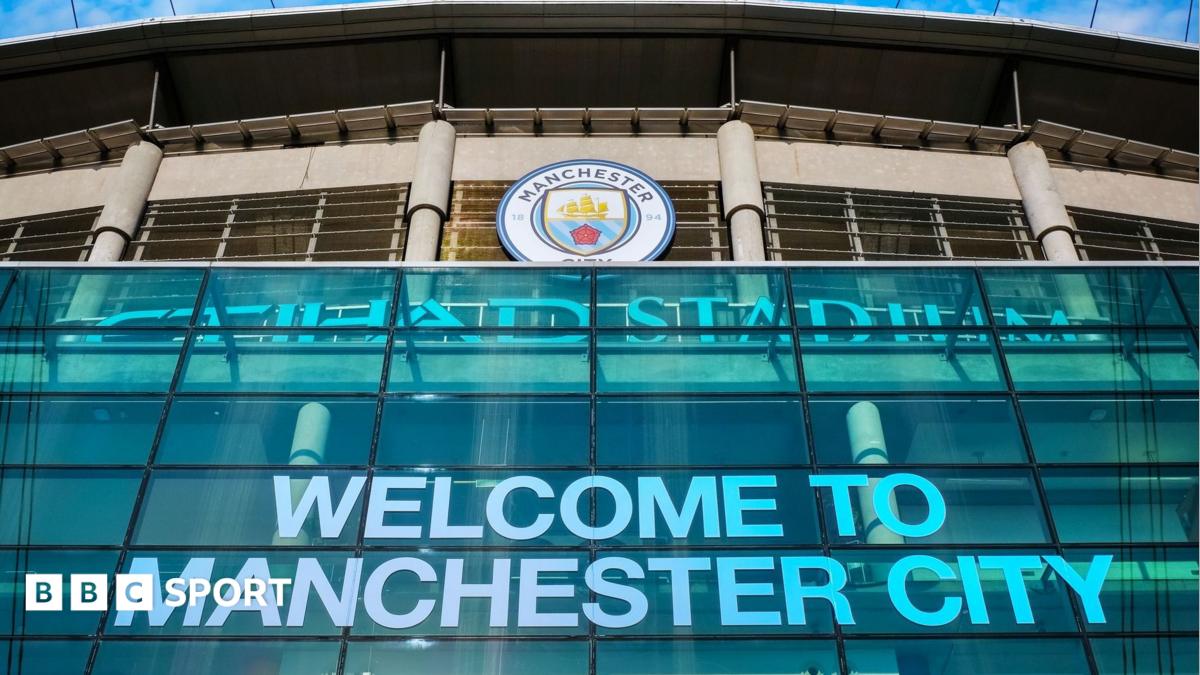
Consider the historical context: when Manchester City faced UEFA's financial fair play (FFP) sanctions in 2014, they settled with a £49 million fine and a squad cap for a season, a slap on the wrist. Yet Everton, a club fighting relegation, are treated as the poster child for fiscal malfeasance. The message is clear: break the rules at your peril, unless you have the legal firepower to contest them.
The Case for Uniform Application
If FFP is to be taken seriously, it must apply equally. But we see a two-tier system: elite clubs can spend with impunity, while mid-table clubs face the sword. The statistics are damning. Since 2015, Manchester City have lost over £500 million before tax, yet escaped with fines. Leicester City won the title in 2016 while spending a fraction of their rivals' budgets, but they are now under investigation for PSR breaches. Where is the consistency?
- Everton's deduction came after losses of £371 million over four years, but Chelsea's losses of £260 million in the same period saw no immediate sanction.
- Newcastle United's £305 million spending on transfers since the Saudi takeover raised eyebrows, but no charges have been brought.
- Aston Villa, who posted a £119 million loss in 2022, were merely warned, while Nottingham Forest face a points deduction for a smaller breach.
The pattern is unmistakable: the more commercially powerful the club, the more lenient the treatment. This is not financial fair play; it is financial favouritism.
Rebuttal: The 'Sky Six' Advantage
Defenders of the system argue that the regulations are designed to prevent clubs from overspending and collapsing, as Portsmouth and Leeds did in the past. They point to the need for sustainability and the role of the Premier League's 'fit and proper person' test. But this argument is hollow when the biggest offenders, like Chelsea, are merely given transfer bans or fines that are pennies to their owners. Everton's deduction, in contrast, is existential: dropping them into the relegation zone with the risk of losing £100 million in television revenue.
Moreover, the Premier League's own financial fair play rules are being challenged by the Competition Appeal Tribunal, which ruled in 2023 that the rules may be anti-competitive. This legal uncertainty means that the enforcement is arbitrary, effectively punishing the weak but not the strong. Until the system is overhauled to cap spending or introduce a luxury tax, we will continue to see this charade.
Verdict: A Predictable Future
By 2026, I predict that Manchester City will have escaped any meaningful punishment for their 115 alleged breaches, while Everton and Nottingham Forest will be relegated due to points deductions. The Premier League will continue to present a veneer of fairness, but the financial gap will only widen, and the title race will become a closed shop. The crown may be hollow, but it will shine brightly enough to blind the faithful.
Related Articles
Filed under: Opinion | LA Premier League Home