
The nicknames of all 92 Premier League and EFL clubs: full 2026/27 guide
Every club in the Premier League and English Football League carries a nickname rooted in colours, local industry, geography or supporter tradition. Here is the complete, club-by-club guide to all 92 recognised nicknames for the 2026/27 season.
- Coverage: All 92 clubs across the Premier League, Championship and League One
- Premier League: 20 clubs detailed, from the Gunners to the Red Devils
- Championship: 22 clubs, including the Addicks, the Rams and the Baggies
- League One: starting with AFC Wimbledon, who inherited the Dons
- Common threads: shirt colours, local industries, stadium landmarks and regional identity
Premier League club nicknames
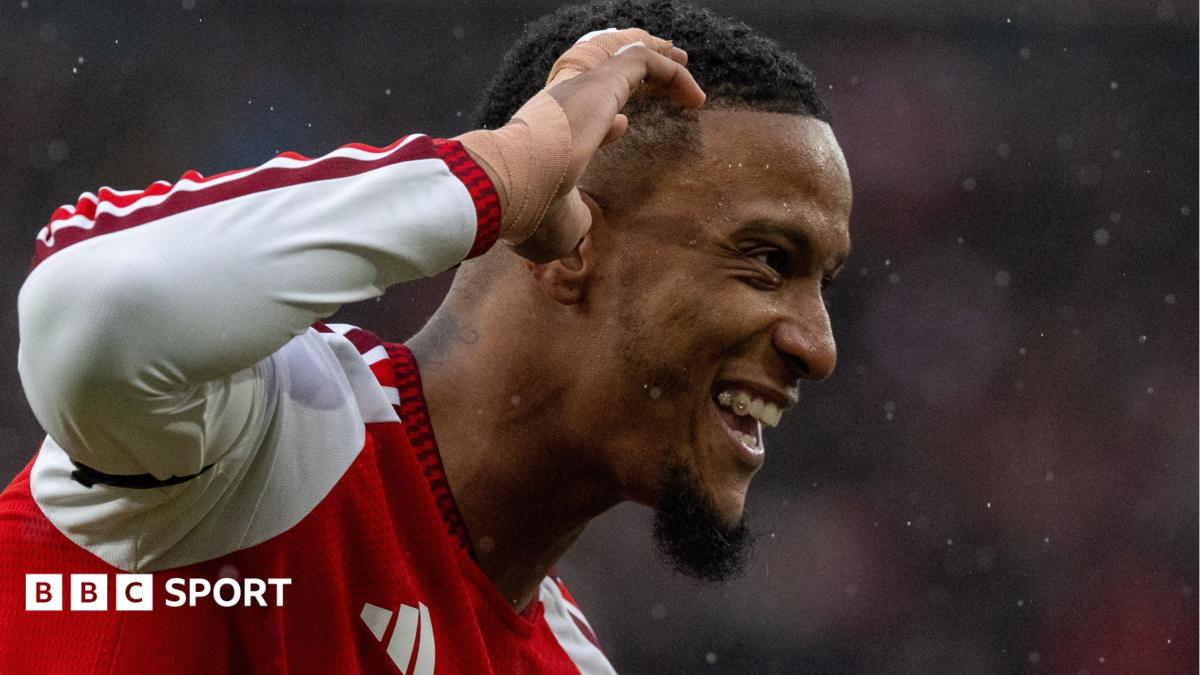
Arsenal are the Gunners, a nickname reflecting the club’s origins among workers at the Royal Arsenal armaments factory in Woolwich. The cannon remains central to the club’s badge and identity.
Aston Villa are the Villans, created from the club’s name. Supporters also commonly refer to the team simply as Villa.
Bournemouth are the Cherries. The nickname is often associated with the club’s red shirts and the cherry orchards once found near their former ground.
Brentford are the Bees. The nickname developed from a supporters’ chant of “Buck up, Bs,” referring to the club’s initials. It was reportedly misheard as “Bees,” and the new identity remained.
Brighton & Hove Albion are the Seagulls, adopted because of the club’s coastal location. They are also sometimes known simply as the Albion.
Chelsea are the Blues because of the royal blue shirts that have defined the club’s appearance for generations.
Coventry City are the Sky Blues, from the sky-blue home colours introduced during the club’s successful period under manager Jimmy Hill.
Crystal Palace are the Eagles, a name adopted during the 1970s when the club changed badge and identity. Palace had previously been known as the Glaziers because of the club’s connection to the Crystal Palace exhibition building.
Everton are the Toffees, connected to historic sweet shops located near the club’s early homes.
Fulham are the Cottagers, referring to the historic cottage beside their Craven Cottage stadium on the banks of the River Thames.
Hull City are the Tigers because of their traditional amber-and-black colours.
Ipswich Town are the Tractor Boys, a playful reference to Suffolk’s rural and agricultural character. Ipswich are also sometimes known as the Blues.
Leeds United are the Whites, from the club’s famous all-white home kit.
Liverpool are the Reds because of the all-red kit that has become central to the club’s global identity.
Manchester City are the Citizens, derived from the club’s name. They are also occasionally called the Sky Blues because of their home colours.
Manchester United are the Red Devils, an identity adopted during the 1960s and inspired by the successful Salford rugby league team, who had previously been given the same name.
Newcastle United are the Magpies, with black-and-white striped shirts resembling the colouring of a magpie. Supporters also frequently refer to the club as the Toon.
Nottingham Forest are usually called the Reds because of their traditional home colours. Forest and the Tricky Trees are also familiar names among supporters.
Sunderland are the Black Cats, with historical connections to the city and the club, including stories involving a black cat associated with the team and its supporters.
Tottenham Hotspur are Spurs, a shortened version of Hotspur. They are also called the Lilywhites because of their white shirts.
Championship club nicknames
Birmingham City are Blues because of the royal blue shirts traditionally worn by the team.
Blackburn Rovers are generally known as Rovers, although the Blue and Whites and the Riversiders have also been used.
Bolton Wanderers are the Trotters. The origins are disputed, possibly relating to an old term for practical jokers or to stories of players retrieving footballs from land behind an early ground. The club are also known as the Wanderers.
Bristol City are the Robins because of their red shirts, with a robin appearing regularly in the club’s visual identity.
Burnley are the Clarets, from the club’s distinctive claret-and-blue home colours.
Cardiff City are the Bluebirds because of their traditional blue shirts and the bluebird featured on the club badge.
Charlton Athletic are the Addicks. The nickname is believed to have evolved from the local pronunciation of “haddocks,” with one popular story linking it to a fishmonger who provided meals for the team.
Derby County are the Rams, reflecting the ram traditionally associated with the city and the county of Derbyshire.
Lincoln City are the Imps, taking their nickname from the Lincoln Imp, a famous figure carved inside Lincoln Cathedral and a longstanding symbol of the city.
Middlesbrough are the Boro, a straightforward shortened form of Middlesbrough. The club are also sometimes known as the Teessiders.
Millwall are the Lions, adopted after becoming known for giant-killing performances in the FA Cup. A lion has remained part of the club’s badge and identity.
Norwich City are the Canaries, connected to the historical popularity of canary breeding in the area. The bird also inspired the club’s yellow-and-green colours.
Portsmouth are Pompey, a traditional nickname for both the city and its football club. Several theories exist about its precise origins, many involving the city’s naval heritage.
Preston North End are the Lilywhites because of their white shirts. The club’s undefeated league and cup winners of 1888/89 are also remembered as the Invincibles.
Queens Park Rangers are the Rs, an abbreviation of Rangers. They are also known as the Hoops because of their blue-and-white hooped shirts.
Sheffield United are the Blades, reflecting Sheffield’s international reputation for steelmaking and the production of cutlery and blades.
Southampton are the Saints, founded by members of St Mary’s Church, leading to the club’s enduring nickname.
Stoke City are the Potters, from the pottery industry for which Stoke-on-Trent and the surrounding area are famous.
Swansea City are the Swans, an abbreviation of the city’s name and a central feature of the club badge.
Watford are the Hornets, with yellow-and-black colours inspiring the nickname. They are also sometimes called the Golden Boys.
West Bromwich Albion are the Baggies. The exact origins remain debated, with suggested explanations including the baggy trousers worn by local industrial workers and the bags used by matchday staff to collect money.
West Ham United are the Hammers, originating from the club’s beginnings as Thames Ironworks. They are also known as the Irons, while crossed hammers feature prominently on the badge.
Wolverhampton Wanderers are Wolves, the universally recognised shortened form of Wolverhampton Wanderers.
Wrexham are the Red Dragons, reflecting both their red colours and the dragon’s importance as a Welsh national symbol. They are also called the Reds.
League One club nicknames
AFC Wimbledon are the Dons, a nickname inherited by the club.
Why nicknames matter in English football
Club nicknames are not mere labels — they are compressed histories. Arsenal’s Gunners carry the memory of the Royal Arsenal armaments factory in Woolwich, while Fulham’s Cottagers point directly to the cottage beside Craven Cottage. These names tie a club to a place, an industry or a community.
Others emerged from supporter culture. Brentford’s Bees, according to the source, developed from a misheard chant of “Buck up, Bs.” That is a reminder that some of the most enduring identities in the game were not designed in a boardroom but adopted organically on the terraces.
Colours and local trades account for many nicknames: Chelsea’s Blues, Burnley’s Clarets, Stoke’s Potters and Sheffield United’s Blades. In each case, the nickname preserves a defining part of the club’s heritage.
Talking points
- Should Crystal Palace ever revive the Glaziers nickname, or is the Eagles identity now too firmly established to change?
- Brentford’s Bees came from a misheard chant — proof that supporter culture can create a club’s identity more effectively than any marketing campaign.
- With both Liverpool and Nottingham Forest called the Reds, does English football need more distinctive nicknames to avoid confusion?
- Bolton’s Trotters has disputed origins; should clubs do more to record and preserve the true stories behind their nicknames?
What happens next
The 2026/27 season will see all 92 nicknamed clubs compete across the Premier League, Championship and League One. As fixtures are confirmed, these identities will be heard in chants, seen on badges and written into matchday coverage throughout the campaign.
Frequently asked questions
What is Arsenal’s nickname?
Arsenal are known as the Gunners, reflecting the club’s origins among workers at the Royal Arsenal armaments factory in Woolwich.
Why are Manchester United called the Red Devils?
Manchester United adopted the Red Devils identity during the 1960s, inspired by the successful Salford rugby league team who had previously been given the same name.
What is Wrexham’s nickname?
Wrexham are known as the Red Dragons, reflecting both their red colours and the dragon’s importance as a Welsh national symbol. They are also called the Reds.
Related Articles
Filed under: Club News | LA Premier League Home