Premier League Rule Changes for 2026/27: What Supporters Need to Know
The Premier League returns with a series of rule changes designed to reduce time-wasting, improve match flow and give officials clearer tools for dealing with controversial incidents. Some are formal updates to existing protocols, while others introduce new measures that will affect every match from the opening weekend.
These adjustments come after a season of widespread fan frustration over stoppage-time delays and inconsistent officiating. The league has responded with a package of amendments aimed at tightening the game and making refereeing more transparent.
Key Changes Set to Impact Matchday Experience
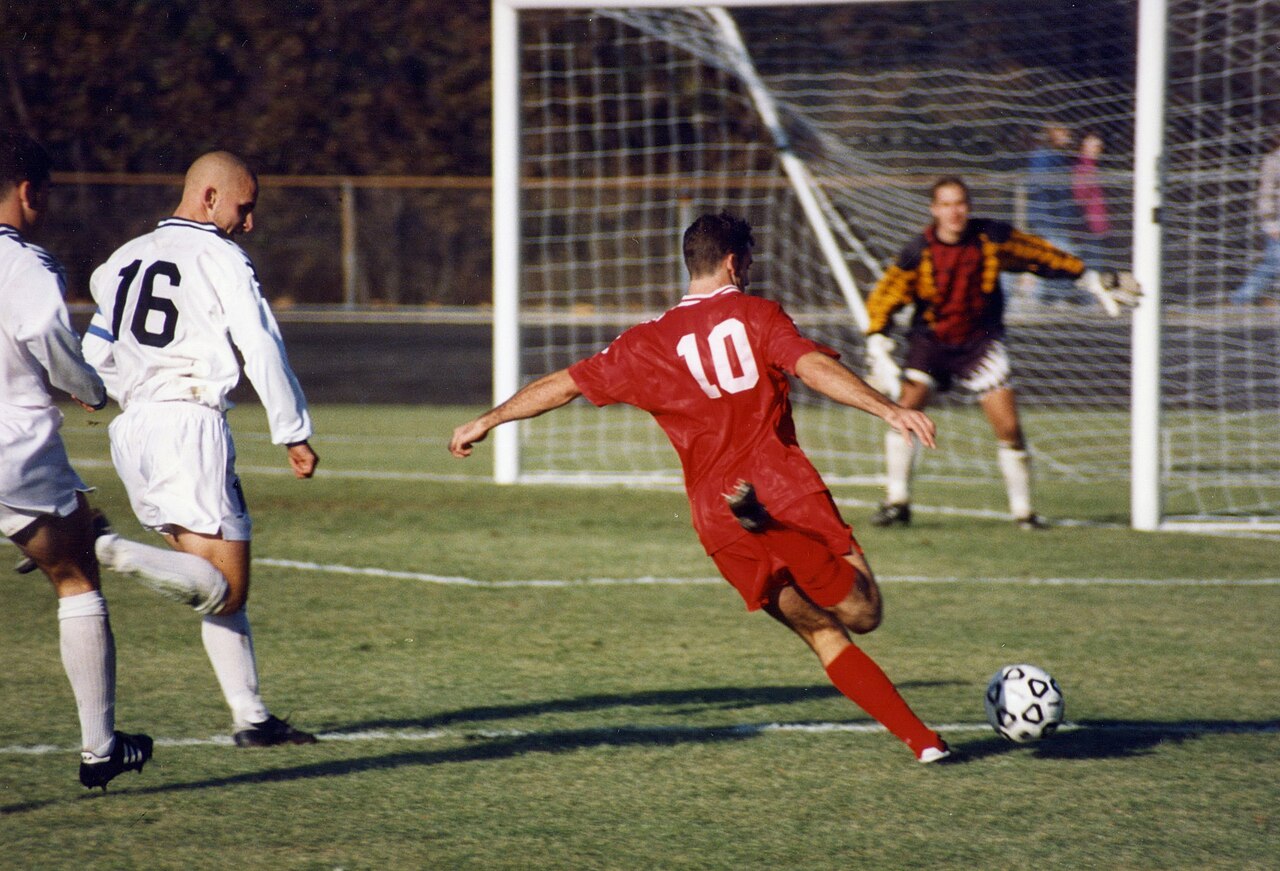
Among the most significant changes is a renewed emphasis on punishing time-wasting across all game states. Goalkeepers and outfield players who deliberately delay restarts will face swifter disciplinary action, with referees instructed to apply the laws more strictly from the first minute rather than reserving stoppage-time additions.
Another notable update involves the use of technology to support officials in making clearer decisions. The league has approved an enhanced communication system between the on-pitch referee and the video assistant referee, aimed at reducing the length of VAR reviews and providing more consistent outcomes on subjective calls.
Other changes include updated regulations on substitution timing, designed to minimise disruptions during critical phases of play. Clubs will now have a strict time limit for making changes, with any delay resulting in a yellow card for the offending team's manager.
Focus on Match Flow: What This Means for Teams and Tactics
The emphasis on reducing time-wasting could have a tactical impact on clubs that previously used stoppage breaks to disrupt momentum. Managers may need to adjust their pressing triggers and in-game management, particularly when protecting a lead.
Data from last season highlighted that the average effective playing time in Premier League matches was below 60 minutes, a figure the league is eager to improve. These rule changes are part of a broader strategy to push that number closer to the 60-minute mark, aligning with global football trends.
With clearer guidelines for officials, there is an expectation that penalty decisions and red-card incidents will be handled with greater consistency. This could influence defensive strategies, especially in the box, where tackles will be scrutinised more closely.
What's New for Officials and VAR
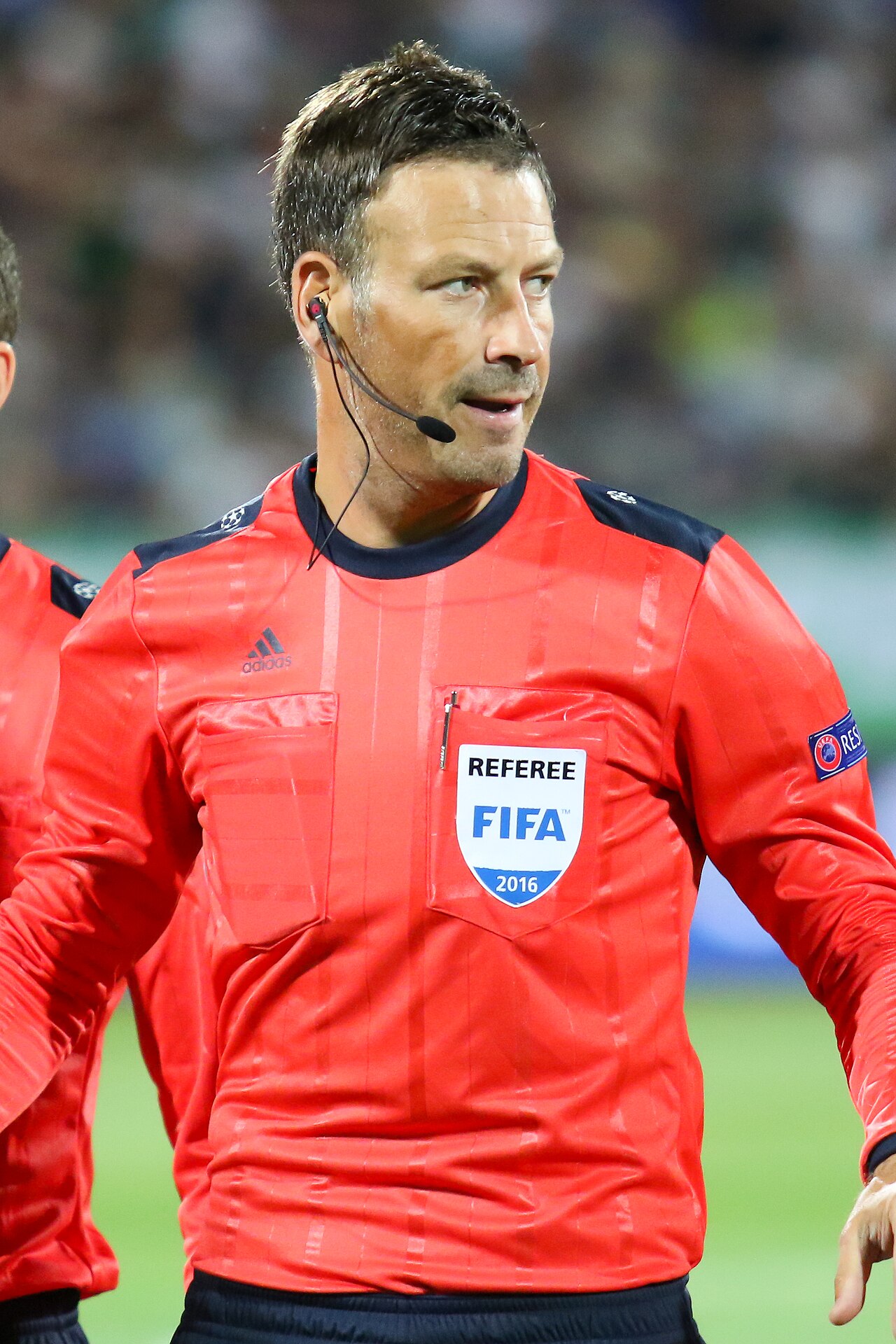
The 2026/27 season introduces a refined framework for how referees communicate decisions to players and fans. Announced decisions, already trialled in some competitions, will become standard practice, with explanations delivered through stadium PA systems and television broadcasts.
Officials will also receive updated thresholds for what constitutes a clear and obvious error, reducing the frequency of interventions for split-second calls. This is expected to speed up the game and decrease the number of contentious VAR interruptions.
Additionally, new protocols for penalty shootouts and goal-line technology remain unchanged, but their application will be governed by stricter time limits to prevent unnecessary delays.
How Will the Changes Affect Clubs and Managers?
Managers who prefer a high-tempo, pressing style may benefit from fewer stoppages, as opponents will have less opportunity to slow the game down. Conversely, teams that rely on tactical fouling or deliberate delays to break up play will need to adapt quickly.
Clubs with squads that are used to frequent substitutions will need to manage their in-game changes more efficiently. The new substitution time limit could impact late-game rotations, with managers forced to make quicker decisions.
Fantasy Premier League managers should note that reduced time-wasting often leads to more actual playing time, which can boost points for high-minute players. However, the stricter officiating could result in more penalties and red cards, altering defensive and attacking valuations.
Summary of the Main Rule Changes for 2026/27
Here is a breakdown of the most important changes:
- Stricter enforcement of time-wasting rules, with referees taking action earlier in matches.
- New communication protocols between referees and VAR to shorten review times.
- Announced decisions for major calls, with explanations provided to fans and media.
- Updated thresholds for VAR intervention based on clear and obvious errors.
- Time limits on substitutions to prevent unnecessary delays.
- Enhanced use of technology to support officials in controversial incidents.
Looking Ahead: A Faster, Fairer Premier League?
The 2026/27 Premier League season promises to be more fluid, with referees empowered to keep the ball in play and decisions made with greater clarity. These changes are designed to benefit the overall spectacle, ensuring that fans see more football and less dawdling.
For clubs, the adjustment period will be crucial. Pre-season friendlies and early fixtures will provide the first real test of how these rules are applied in practice. Managers and players will need to study the updated guidance carefully to avoid falling foul of the new regulations.
With the opening weekend fast approaching, all eyes will be on the officials to see how they implement these changes. The league has set a clear priority: deliver a faster, fairer and more entertaining product for everyone involved.
Related Articles
Filed under: Latest News | LA Premier League Home