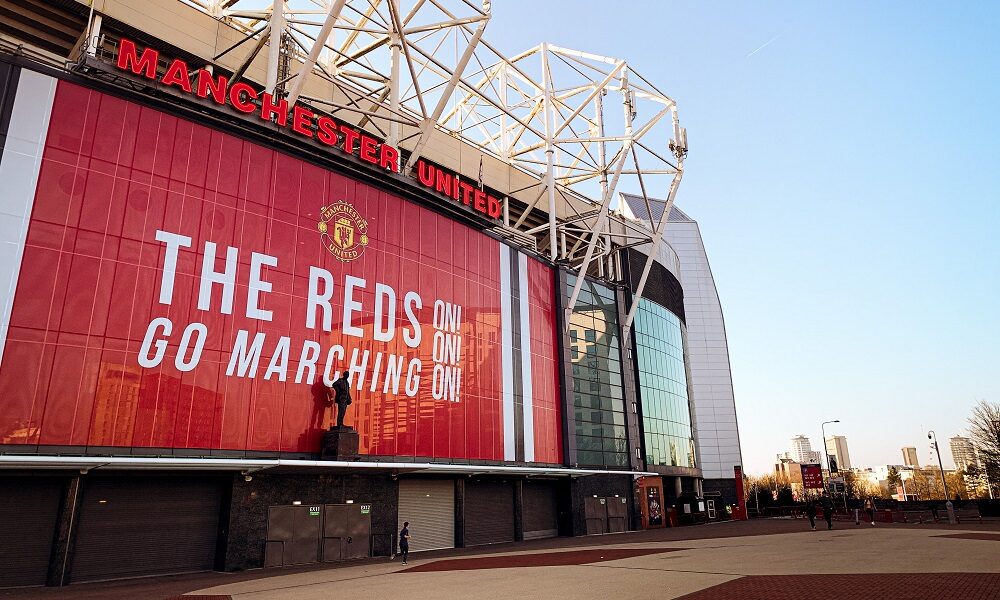

Manchester United’s new 100,000-seater stadium is not a sign of ambition. It is a confession of failure.
The 25-acre land deal announced last week should be read as a corporate smoke screen — a shiny object designed to distract from a club that has become a financialised husk of its former self. In the era of multi-club models and sovereign wealth funds, pouring money into bricks and mortar is the oldest trick in the boardroom playbook.
Liverpool built the Kop; United built a leveraged buyout
When Liverpool expanded Anfield’s Main Stand in 2016, it was financed by revenue growth, not borrowed against future ticket sales. United’s new stadium will be funded by a Glazer family that has extracted over £1bn in interest, dividends and fees since 2005. The contrast is stark: one club invested in its core product, the other in its balance sheet.
In the 2010s, Arsenal built the Emirates and promptly sold their best players to service the debt. United are now running the same playbook — only this time the stadium is a decoy for a squad that has cost over £1.5bn since Sir Alex Ferguson’s retirement and delivered precisely zero title challenges.
Infrastructure as a shield for incompetence
The £100m pursuit of Felix Nmecha illustrates the dysfunction. A midfielder with 18 Bundesliga appearances last season, valued at double his market rate, because United’s scattergun recruitment operates without a coherent sporting model. Meanwhile, the club is also chasing Crysencio Summerville — a player who could have been signed for £10m two years ago. The new stadium will not fix this.
- The Nmecha deal: £100m for a player Dortmund bought for £25m. Pure panic pricing.
- The Summerville saga: West Ham’s discount deal exposes United’s lack of a long-term plan.
- The Glazer dividend: roughly £20m per year paid to owners while the squad decays.
But infrastructure spending is necessary, isn’t it?
Of course Old Trafford needs modernising. The concourses are cramped, the roof leaks, and the atmosphere has been sterile for a decade. But the argument that a new stadium will generate the revenue needed to compete is a circular logic that ignores the Premier League’s centralised TV deals. Every club gets roughly the same broadcast money. The difference is how it is spent. Arsenal’s Emirates revenue did not stop them from falling behind Chelsea and Manchester City. Barcelona’s Camp Nou rebuild is being financed by selling future income streams. Stadiums do not win titles; good governance does.
The real cost of the 25 acres
United’s land purchase comes as Manchester City — a club with a coherent ownership model and a football-first strategy — prepare for life after Guardiola by appointing Enzo Maresca, a manager who has been developed within their own system. City’s infrastructure investment is in their academy and coaching pipeline, not merely a bigger stage for the same underperforming show. United are building a bigger theatre. City are building a better play.
The definitive test will come in five years. If the new stadium rises but the Premier League trophy cabinet remains empty, then this week’s announcement will be remembered not as a turning point but as the moment the Glazers sold the fans a £2bn mirage.
Prediction: By 2028, Manchester United will have a new stadium, a new debt of at least £1.5bn, and no Premier League title to show for it. The 25-acre lie will be exposed for what it is: a monument to managerial incompetence masquerading as progress.
Related Articles
Filed under: Opinion | LA Premier League Home