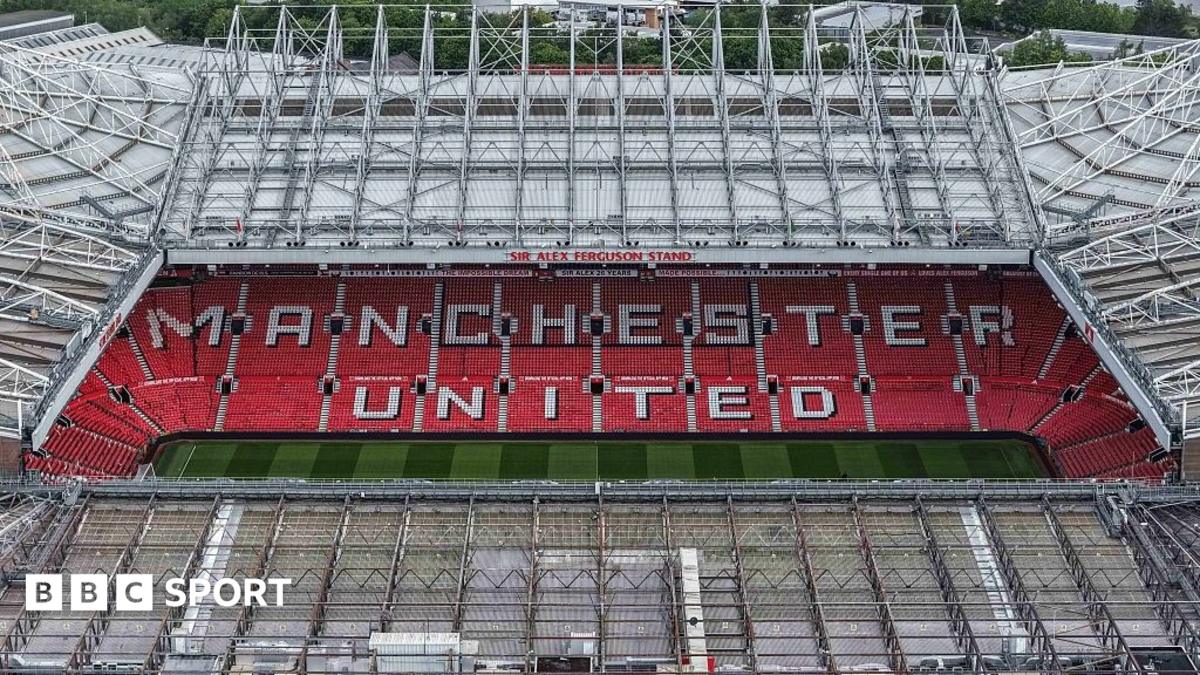
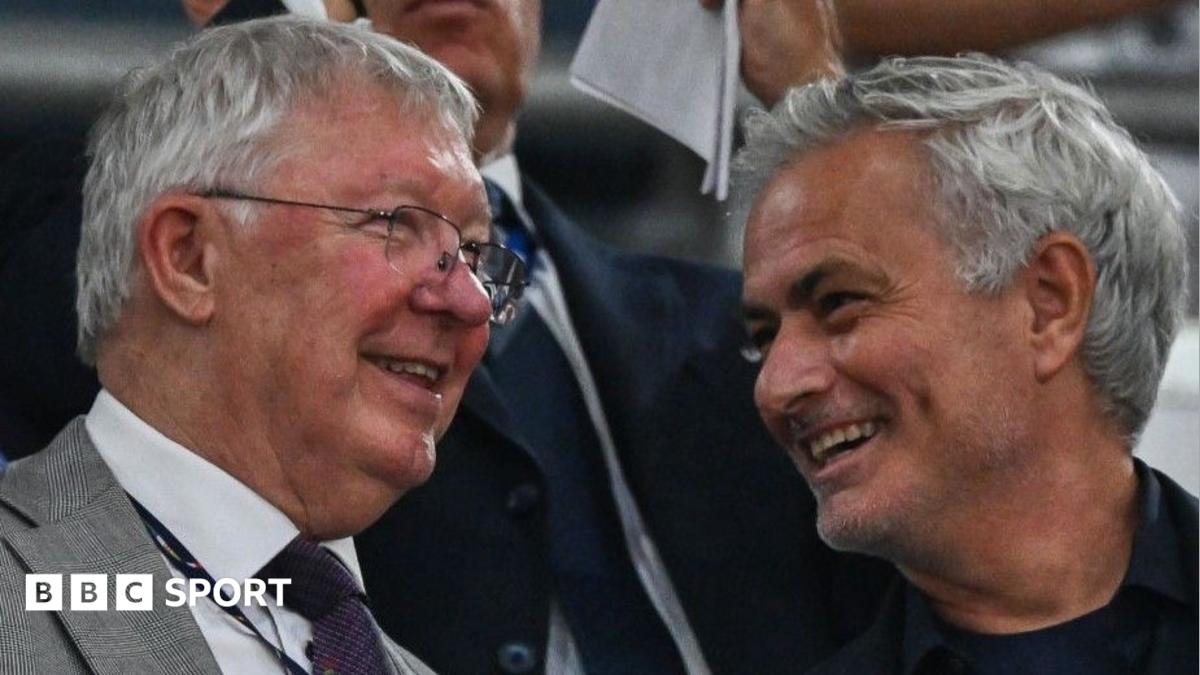
Mourinho's Manchester United U-turn: The Decision That Echoed Through Old Trafford
The inside story of Manchester United's attempt to lure Jose Mourinho to replace Sir Alex Ferguson has finally emerged, revealing a dramatic sliding-doors moment in the club's modern history. According to sources close to the negotiations, the Portuguese was initially open to the move before performing a startling volte-face that sent United down a path they have not yet recovered from.
This account, drawn from the raw news input, details how United's hierarchy believed they had their man, only for Mourinho to withdraw at the eleventh hour. The ramifications of that decision have defined Manchester United's turbulent post-Ferguson era, a period marked by managerial instability, inconsistent recruitment, and a prolonged trophy drought.
Context: The Post-Ferguson Succession Plan
When Sir Alex Ferguson announced his retirement in 2013 after 26 trophy-laden years, United faced the unenviable task of replacing an irreplaceable figure. The club's board, led by the Glazer family and chief executive David Gill, initially targeted the most successful active manager in world football: Jose Mourinho.
At that time, Mourinho was at Real Madrid, having just guided Los Blancos to a record-breaking La Liga title in 2011-12. His pedigree was unmatched: two Champions League crowns, league titles in Portugal, England, Italy, and Spain, and a reputation for immediate success. For United, he symbolised continuity of winning, a man capable of commanding the same aura as Ferguson.
Negotiations were reportedly advanced, with respect on both sides. The Portuguese had long admired United's tradition and the 'Theatre of Dreams'. He had famously celebrated United's treble-winning 1999 Champions League final in Barcelona as a fan. The prospect of succeeding his old rival appeared to energise him.
The Decision and Its Immediate Aftermath
Then came the twist. Sources state that Mourinho initially gave his word to United, only to eventually say no. The reasoning remains shrouded in ambiguity, but the consequences were immediate. United, left scrambling, turned to David Moyes, the Everton manager who had impressed during a 12-year stint at Goodison Park.
Moyes inherited a squad in transition. Ferguson's final team had won the league by 11 points, but the core was ageing – Ryan Giggs, Rio Ferdinand, and Patrice Evra were in their 30s, and the midfield was largely bypassed. Moyes was given a six-year contract, a gesture of faith that proved catastrophic. United's title defence ended in seventh place, their worst league finish in Premier League history, and he was sacked in April 2014 after just 10 months in charge.
- The Moyes appointment has since been widely criticised as a symptom of the club's failure to hedge their bets after Mourinho's withdrawal.
- United's subsequent permanent managers – Louis van Gaal and then Mourinho himself – have each won trophies but failed to mount a sustained title challenge.
- The 'sliding doors' narrative is irresistible: had Mourinho arrived in 2013, United would have secured a direct replacement for Ferguson, the 'Special One' in his prime.
Impact: A Decade of Instability at Old Trafford
United's failure to land Mourinho in 2013 set in motion a cycle of short-term appointments, disjointed recruitment, and a loss of identity. The club's playing style became reactive, their transfer strategy mercurial. In the decade following Ferguson's exit, United have spent over £1.1 billion on transfers, yet have finished outside the top four in four separate seasons, failing to mount a genuine title race.
Mourinho eventually did take the United job in 2016, only to be sacked in December 2018 after reports of dressing-room discord and a polarising style. The contrast with the 2013 scenario could not be starker: he arrived not as Ferguson's chosen successor but as Van Gaal's replacement, inheriting a team further from the summit. His two and a half seasons at Old Trafford yielded the Europa League, the League Cup, and a second-place finish in 2017-18, but it ended in a toxic atmosphere.
Had he arrived in 2013, with the United squad still containing the majority of title winners, his defensive organisation and renowned man-management might have provided the immediate boost the club craved. Instead, the delay meant he faced a rebuilding job – one that ultimately proved beyond him.
Tactical Context: How United's System Would Have Altered
Mourinho's approach in 2013 was marked by counter-attacking solidity, while Ferguson's United played a more expansive, offensive game. The Portuguese would likely have shifted United's midfield shape – perhaps deploying a double pivot and utilising a direct winger (such as the emerging Adnan Januzaj) to devastating effect. His preference for a '9' like Didier Drogba would have impacted the development of Wayne Rooney, who might have been converted to a deeper role earlier.
Defensively, United's transition might have been smoother. Mourinho's teams are notoriously difficult to break down, and with Nemanja Vidic and Rio Ferdinand at their peak, they could have become an even more formidable unit. The 2013-14 season saw City and Liverpool fail to seize the initiative, but United's vulnerability at both ends exposed a lack of balance.
FPL and Modern-Slate Comparison
From a modern perspective, the 'sliding doors' theme has repercussions for Fantasy Premier League. Imagine United under Mourinho in 2013-14: his conservative setup would have limited FPL returns from attacking players. Rooney's output, for instance, might have dropped from his 17 goals and 10 assists of that era to a defensive-minded role. Meanwhile, Moyes' reactive game allowed Rooney to shine, but United's poor results stunted the value of their assets.
Historical precedent exists elsewhere: when Manchester City appointed Pep Guardiola in 2016, they committed to a long-term philosophy. United's dithering in 2013 contrasts sharply with that decisive approach, illustrating how succession planning can rewrite a club's trajectory.
What's Next: Lessons for United's Current Hierarchy
This revelation serves as a cautionary tale for the present United hierarchy under INEOS, who must now embark on their own succession planning. The club's recent progress under Erik ten Hag has been uneven, with a third-place finish in 2023-24 followed by a torrid start this season. The spectre of Mourinho's 'no' should remind them that settling for second choice in recruitment can have long-term consequences.
For United supporters, the story is a reminder of the fragile nature of footballing destinies. One meeting, one phone call, one change of heart – and the past decade could have been entirely different. The club must now ensure their next appointment, whether that be the current incumbent or a future successor, is a complete alignment with their footballing vision, not a panic fallback. The ghost of 2013 still haunts the theatre.
Related Articles
Filed under: Latest News | LA Premier League Home