Manchester City's Premier League Journey: A Story of Resilience and Transformation
Manchester City's Premier League history is one of English football's most dramatic transformations. The club began the Premier League era struggling for stability, suffered relegation twice and fell ... their journey to the top is a compelling narrative of ambition, investment, and sporting success that has reshaped the landscape of English football.
The Early Years: Struggle and Relegation
When the Premier League was formed in 1992, Manchester City were a club in turmoil. They had yo-yoed between divisions in the late 1980s and entered the new era with aspirations of establishing themselves among England's elite. However, the reality was starkly different. In the first few seasons, City flirted with relegation, eventually succumbing to the drop in 1995-96 after a dismal campaign that saw them finish 15th in the 20-team division.
The immediate return to the top flight proved elusive. City spent three seasons in the First Division (now the Championship) before a brief promotion in 1999-2000. However, their stay was short-lived. They were relegated again in 2000-01, suffering the ignominy of playing in the third tier for the first time in their history the following season. This period underlined the club's instability and the gulf between their ambitions and their achievements.
Under the stewardship of manager Kevin Keegan, City secured promotion back to the Premier League in 2001-02, winning the First Division title with a record total of 99 points. This marked the beginning of a new era of relative stability, though success on the pitch remained modest. The club consistently finished in the top half of the table but rarely threatened the established order. Financial constraints limited their ability to compete with the likes of Manchester United, Arsenal, and Chelsea.
The Abu Dhabi Takeover: A Turning Point
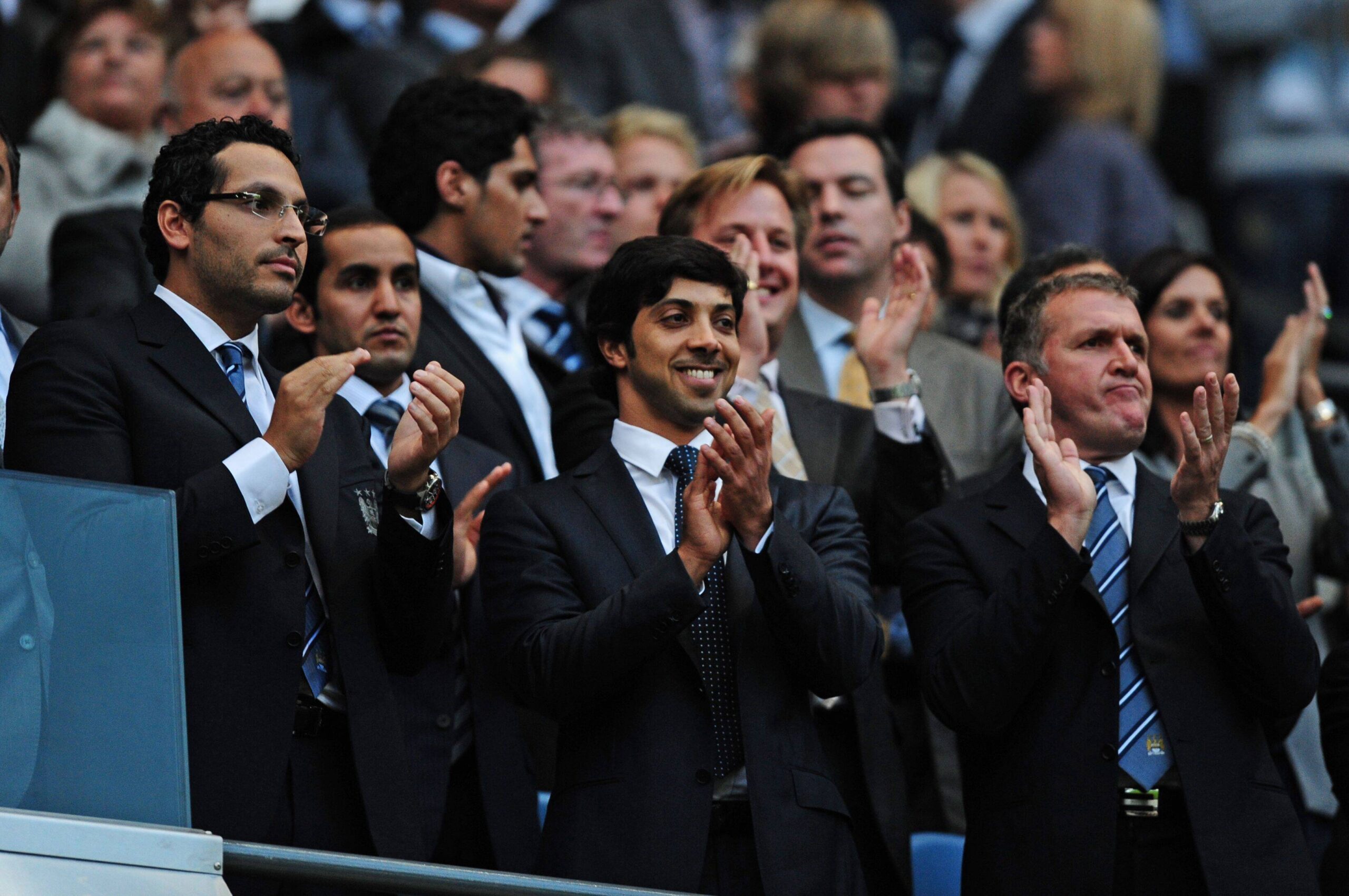
In September 2008, the landscape of Manchester City changed irrevocably. The club was acquired by the Abu Dhabi United Group, led by Sheikh Mansour bin Zayed Al Nahyan. The takeover signalled a new dawn, with unprecedented financial backing that transformed the club's ambitions. The first major statement of intent came on transfer deadline day, with the sensational capture of Brazilian forward Robinho from Real Madrid for a then-British record fee of £32.5 million.
Despite the initial splurge, success did not come overnight. Mark Hughes was replaced as manager by Roberto Mancini in December 2009, and the Italian's impact was immediate. In 2010-11, City secured a top-four finish and qualification for the Champions League for the first time. More importantly, they ended a 35-year trophy drought by winning the FA Cup, defeating Stoke City 1-0 in the final. This was the catalyst for greater things.
The following season, 2011-12, will forever be etched in Premier League folklore. City produced one of the most dramatic title triumphs in history, pipping Manchester United to the title on goal difference on the final day. Sergio Aguero's stoppage-time winner against Queens Park Rangers secured the title in the most extraordinary fashion. This was City's first league title since 1968, and it announced their arrival as a genuine force in English football.
The Pep Guardiola Era: Redefining Dominance
The arrival of Pep Guardiola in 2016 took Manchester City to unprecedented heights. The Catalan coach, renowned for his tactical innovation, brought a new philosophy that revolutionised English football. In his first season, City finished third, but the foundations were being laid. In 2017-18, they produced a record-breaking campaign, accumulating 100 points and scoring 106 goals, the most in a single Premier League season. They also won the League Cup.
Guardiola's City have subsequently dominated the Premier League, winning the title in 2018-19, 2020-21, and 2021-22. They have also redefined what is possible in terms of possession, pressing, and positional play. Their consistency has been remarkable, with a focus on relentless attacking football and defensive solidity. The transformation from a club that struggled for survival to one that sets the benchmark for excellence is a testament to the investment, management, and playing talent assembled.
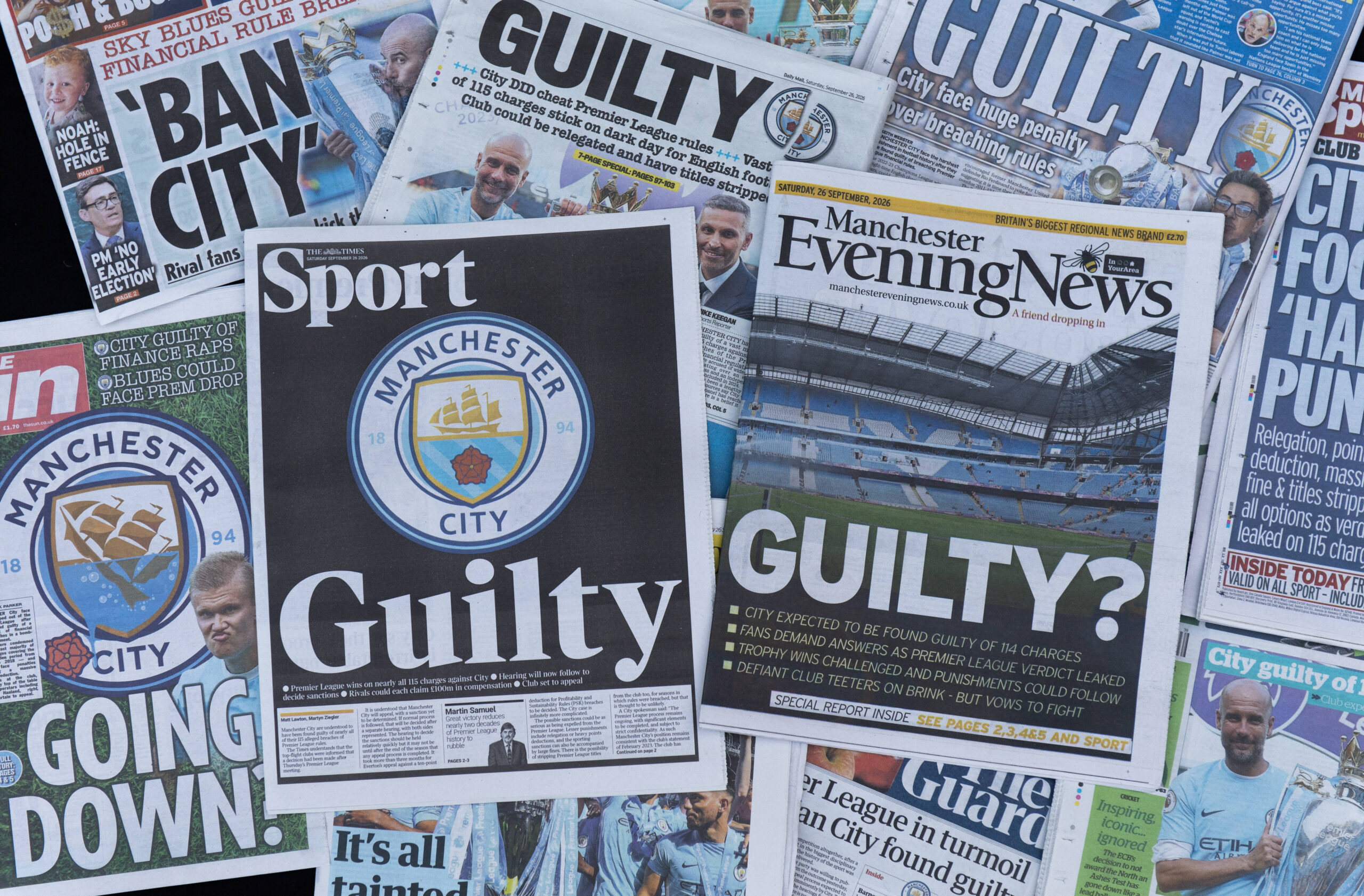
However, this period has not been without controversy. The club has faced allegations of financial fair play breaches and was charged by the Premier League in February 2023 with multiple rule breaches. The charges are still pending, and the outcome could have significant implications for the club's future. This adds another layer of complexity to their remarkable story.
Tactical Evolution and Key Influences
Guardiola's tactical philosophy has been instrumental in City's success. His preference for a high defensive line, intricate positional rotations, and relentless pressing has been adapted to English football, with overwhelming success. The team's fluidity in attack and ability to dominate possession has often left opponents chasing shadows. Key players like Kevin De Bruyne, Sergio Aguero (until his departure), and later Erling Haaland have thrived under this system.
The club has also been pioneers in recruitment, often identifying young talent early and developing them into world-class performers. The acquisition of players like Phil Foden from the academy showcases the club's long-term planning. The impact of these tactics is evident in the club's recent record: they won the treble in 2022-23, claiming the Premier League, FA Cup, and Champions League, their first European crown.
Statistical Overview: From Mid-Table to Record-Breakers
The numbers tell a striking story. In the first 15 Premier League seasons (1992-2007), City's average finishing position was around 12th, with only one top-five finish. In the 10 seasons from 2008-09 to 2017-18, their average position improved to fourth, with six top-four finishes. Since 2018-19, they have been the most consistent side, winning four of the last six titles. They have also broken numerous records, including most points in a season (100), most goals in a season (106), and best goal difference (+79) in 2017-18.
These statistics underline the club's transformation. They are no longer also-rans but the gold standard in the league. Their success has also had a financial impact, with matchday revenue, commercial deals, and global fanbase growing exponentially. The club's dominance has, however, raised concerns about competitive balance, with some critics arguing that the financial chasm is damaging the league's competitiveness.
Impact on English Football and the Title Race
Manchester City's rise has altered the dynamics of the Premier League title race. They have been the team to beat for the past decade, with Liverpool, Chelsea, and Manchester United all trying to close the gap. This rivalry has produced some memorable contests and has raised the overall standard of English football. City's Champions League success in 2023 finally delivered the prize that was the ultimate defining factor for their project.
Looking Ahead: Challenges and Future Prospects
As the club looks ahead, challenges remain. The ongoing financial fair play investigation casts a shadow, and the outcome could have severe repercussions, including potential points deductions. Additionally, Guardiola's contract runs until 2025, and speculation about his future persists. However, the club's infrastructure, scouting network, and financial muscle suggest they will remain at the top for the foreseeable future, provided legal obstacles are navigated.
Manchester City's Premier League history is a tale of two halves: a struggle for survival and a march to dominance. It is a story of strategic investment, world-class management, and relentless pursuit of excellence. As the club continues to evolve, the next chapters in this timeline will be eagerly watched by the football world.
Related Articles
Filed under: Club News | LA Premier League Home