United's Academy Is a Heritage Brand, Not a Production Line
Manchester United's academy is the most romanticised relic in English football. Class of '92 nostalgia has become a substitute for strategy, and the club is now paying for two decades of mistaking inheritance for infrastructure.
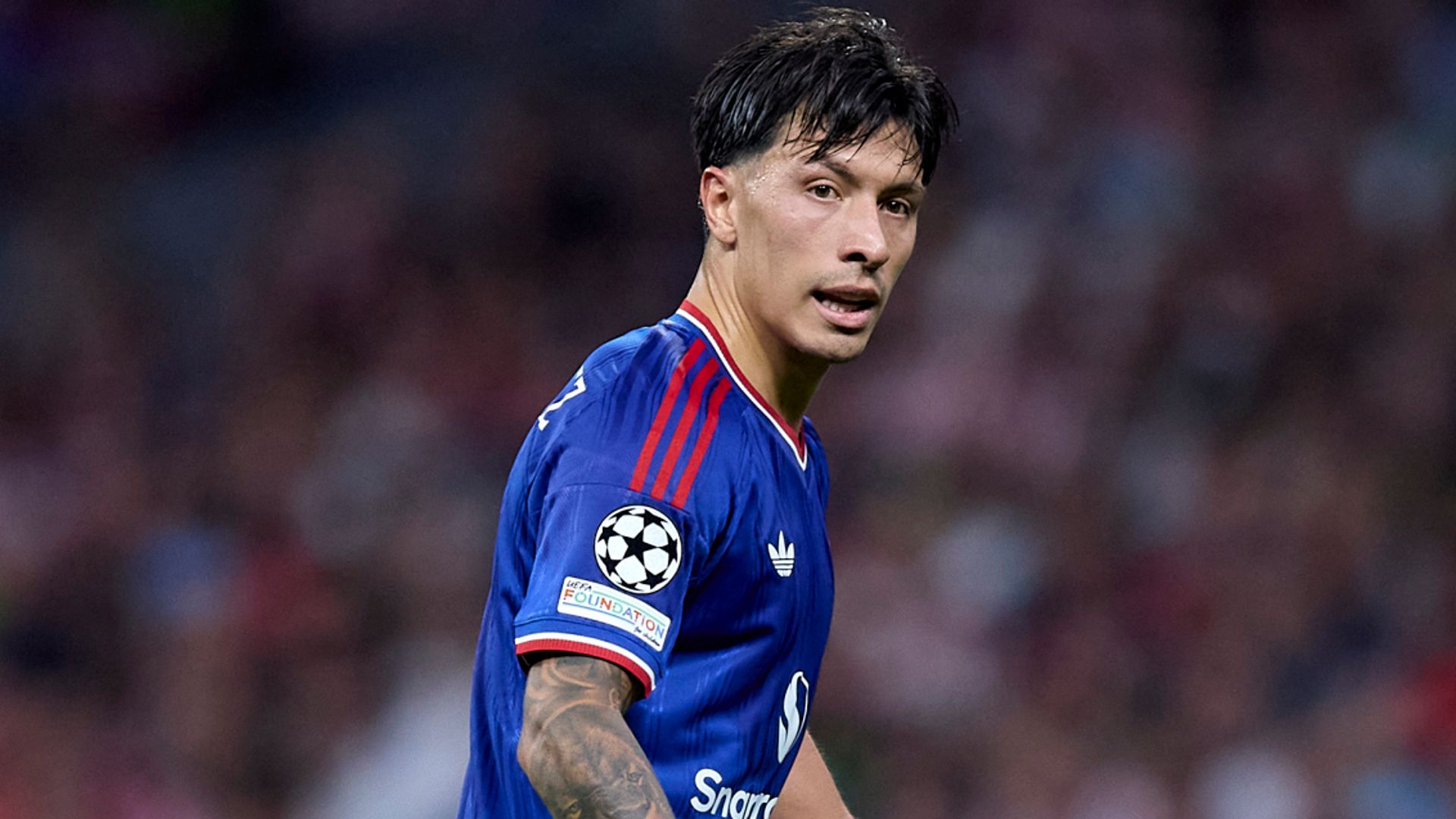
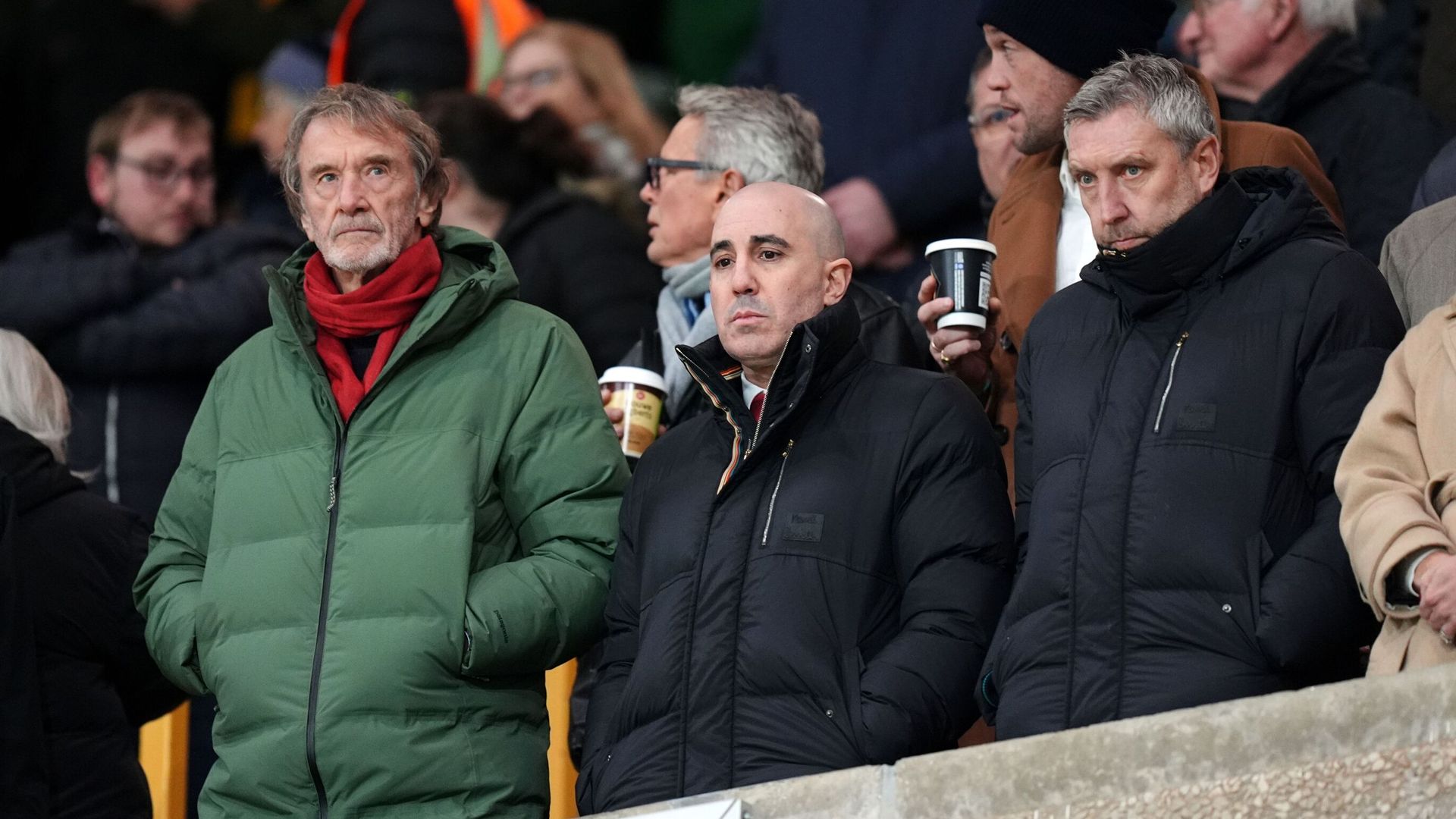
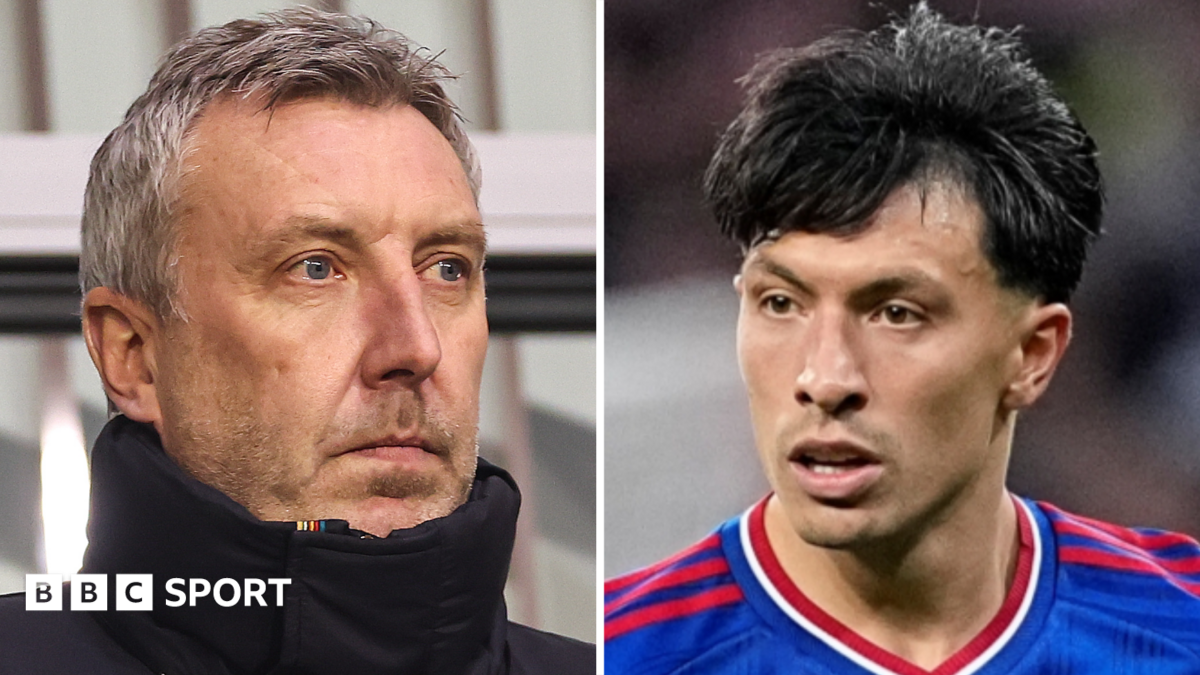
The latest evidence arrived this week when Lisandro Martinez demanded more investment from technical director Jason Wilcox after United's 2-0 Champions League defeat at Atletico Madrid. He clarified his outburst but stopped short of an apology, leaving his Old Trafford future in doubt. A defender signed in 2022 is begging for reinforcements because the production line behind him has produced nothing.
The Class of '92 Was a Lightning Strike, Not a Blueprint
United's commercial machine still trades on six players who emerged three decades ago. Since then, the academy has produced precisely one world-class outfield player: Marcus Rashford. In that time, Manchester City have produced Phil Foden, Jadon Sancho, Cole Palmer and Romeo Lavia from the CFA. Chelsea have churned out Mason Mount, Reece James, Marc Guehi and Levi Colwill. Arsenal have Bukayo Saka and Emile Smith Rowe.
City turned academy graduates into £200m of pure profit in a single summer and used it to fund Erling Haaland. United spent £72m on Rasmus Hojlund — a striker whose development they outsourced to Atalanta — while their own under-21s finished eighth in Premier League 2.
The Class of '92 was a once-in-a-generation coincidence of talent, timing and a manager who had the authority to blood teenagers. It was never a sustainable model. Treating it as one is like expecting a lottery winner to replicate the feat by buying more tickets.
The Recruitment Strategy Is a Symptom, Not the Disease
Critics point to the Casemiro, Antony and Sancho deals as evidence of transfer incompetence. But those signings are symptoms of a deeper rot: a club that has no internal supply chain, so it panics in the market.
- Since Sir Alex Ferguson retired in 2013, United have spent over £1.5bn on transfers and won two major trophies.
- They have sold just three academy graduates for fees above £20m in the same period — Dean Henderson, Danny Welbeck and Michael Keane.
- In the 2024-25 Premier League, United's starting XI featured an average of 1.2 academy graduates per match. City's averaged 2.8.
- United's under-18s have not reached the FA Youth Cup final since 2022, when they won it. That squad has produced no first-team regulars.
United's solution to every crisis is to buy a ready-made star: Frenkie de Jong, Bazoumana Touré, whoever the latest name is. Yet the club has no coherent philosophy for what those players are joining. What is a United player in 2025? Nobody can answer.
Meanwhile, the academy has become a museum. The Cliff is gone. Carrington is impressive but understaffed. Coaching appointments have been nepotistic or short-termist. When Dan Ashworth or whoever succeeds Wilcox eventually audits the club, they will find a youth system designed to produce squad filler, not difference-makers.
The Counter-Argument: Patience and Profit
The steel-manned case for United's academy is that it still produces Premier League players. Dean Henderson, Anthony Elanga, James Garner, Teden Mengi — all have carved careers elsewhere, and United banked sell-on fees. Some argue that selling academy talent is the new profit centre, and United are simply late to it.
But this is a category error. City and Chelsea profit from academy sales because their first-team squads are already elite. United are selling graduates to Brentford and Nottingham Forest while buying replacements at a premium. That is not a profit centre; it is a revolving door of mediocrity.
The other rebuttal is that United can simply buy their way out. But FFP and PSR now punish reckless spending. The club posted a £113m loss in 2023-24 and sits dangerously close to the profitability ceiling. Buying a new midfield every summer is no longer an option. The academy is not a nice-to-have; it is the only sustainable route back to the top.
Verdict: The Rebuild Will Fail Unless the Academy Is Treated as Infrastructure
United will spend big again in January — perhaps on De Jong or Touré — and they will still finish outside the top four. The club's leadership continues to treat youth development as a legacy project rather than the engine of the sporting project.
Prediction: By the end of the 2025-26 season, United's starting XI will still average fewer than 1.5 academy graduates per league match, and at least one of Kobbie Mainoo or Alejandro Garnacho will be sold to fund a marquee signing who fails to improve the team. Until the academy produces two first-team regulars in a single cohort, United remain a heritage brand masquerading as a superclub.
Related Articles
Filed under: Opinion | LA Premier League Home