The Theatre of Dreams Is Now a Transfer Theme Park
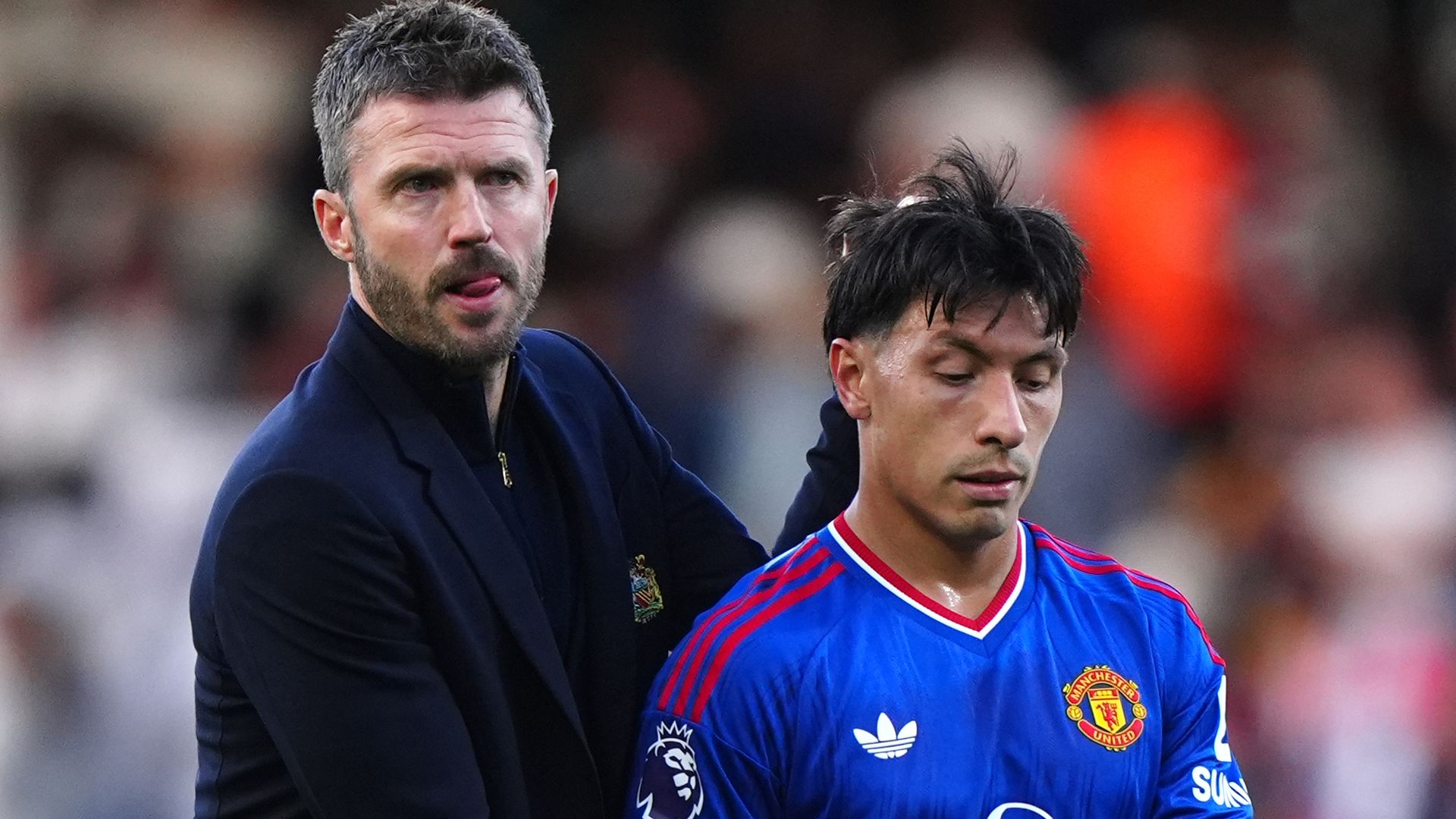
Manchester United's summer window was not a strategy; it was a panic attack dressed in a club tie. Lisandro Martínez's post-Atlético outburst named technical director Jason Wilcox — a rare act of public insurrection that only confirmed what everyone suspects: nobody at Old Trafford knows who is in charge of the football plan.
A Proud History of Selling the Family Silver
United used to be the club that bought the finished article and blooded the odd homegrown phenomenon. Think Bryan Robson, Roy Keane, Wayne Rooney — all acquired at peak value and integrated into a winning structure. The academy supplied the garnish: Giggs, Scholes, Beckham, the Class of '92. But since Sir Alex Ferguson retired, the club has spent over £1.5bn on players and won a single Europa League and two domestic cups. The spine of the team has been rebuilt so often it resembles a spinal fusion experiment gone wrong.
Meanwhile, Manchester City turned their academy into a profit machine and a production line for first-team talent. Chelsea have hoarded young players like a hedge fund buying distressed assets. United? They let Dean Henderson leave, signed André Onana for £47m, then watched him ship goals from set-pieces. They sold Scott McTominay to Napoli and immediately looked lightweight in midfield. The pattern is not bad luck; it is a systemic failure to align recruitment with a coherent style of play.
The Case Against United's C-Suite Is Overwhelming
The incoming INEOS regime promised a ruthless audit. Instead, we have a summer of dithering, a failed pursuit of Frenkie de Jong that echoed the £100m Alex Scott gamble Chelsea are now making, and a reliance on emergency loans. United's wage bill remains the highest in the league, yet their squad depth is thinner than a David Brent business plan. The club is not building; it is firefighting.
- In the last three windows, United have spent £200m on central defenders yet still field a back four held together by Jonny Evans at 36.
- The academy has produced only one regular starter in five years — Marcus Rashford — while City have sold Cole Palmer, Romeo Lavia and James Trafford for a combined £100m.
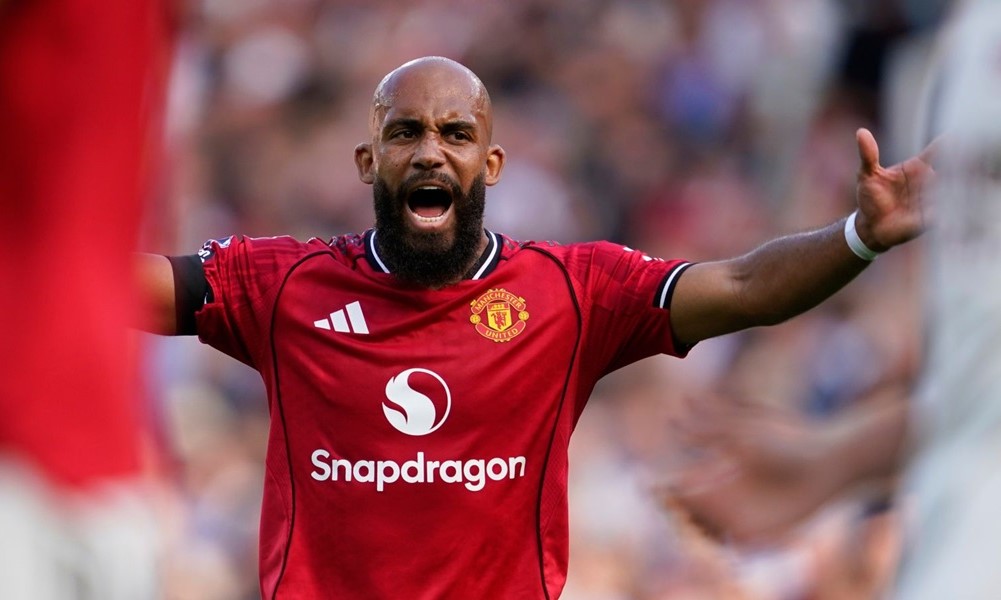
- United's medical department is a chronic liability: Rasmus Højlund, Mason Mount and Luke Shaw have all suffered recurring injuries, forcing panic loans like Sergio Reguilón and Marcel Sabitzer.
Contrast that with Liverpool, who lost Szoboszlai, Gakpo and Isak for the LASK trip and still fielded a coherent, front-foot team. Iraola's faith in Wirtz and Barcola is being tested, but at least there is a discernible idea. United have no idea, only expensive improvisation.
The Counter-Argument: Chaos Is Just Transition
The steel-manned defence is that United are midway through a painful rebuild under new ownership, that the Glazers' decay cannot be undone in one summer, and that the INEOS team needs time to impose a structure. There is truth in the scale of the mess: the training ground, the scouting network and the wage structure all need root-and-branch reform.
But time is not a strategy. United have had eleven years and seven permanent managers since Ferguson. Each new regime promised a reset, yet the club keeps making the same errors: buying players with no sell-on value, neglecting data-led recruitment, and treating the academy as an afterthought. Chelsea's £100m move for Alex Scott is aggressive but at least it is a calculated bet on a young, high-ceiling talent. United's £72m on Rasmus Højlund was a bet on potential, yet the Dane has been starved of service and support. The difference is that Chelsea have a squad-building model, however ruthless. United have a vibes-based approach that changes with the wind.
Verdict: United Will Finish Outside the Top Six Again
Unless INEOS appoint a genuine sporting director with autonomy, hand him a coherent tactical blueprint, and give the academy a defined pathway to the first team, Manchester United will finish outside the top six for the third consecutive season. That is a falsifiable prediction. If they do make the top four, I will publicly eat a matchday programme. But the evidence — the wages, the injuries, the lack of a defined style, the failure to sell well or buy smartly — points one way: decline dressed as transition, and a club that mistakes spending for strategy.
Related Articles
Filed under: Opinion | LA Premier League Home