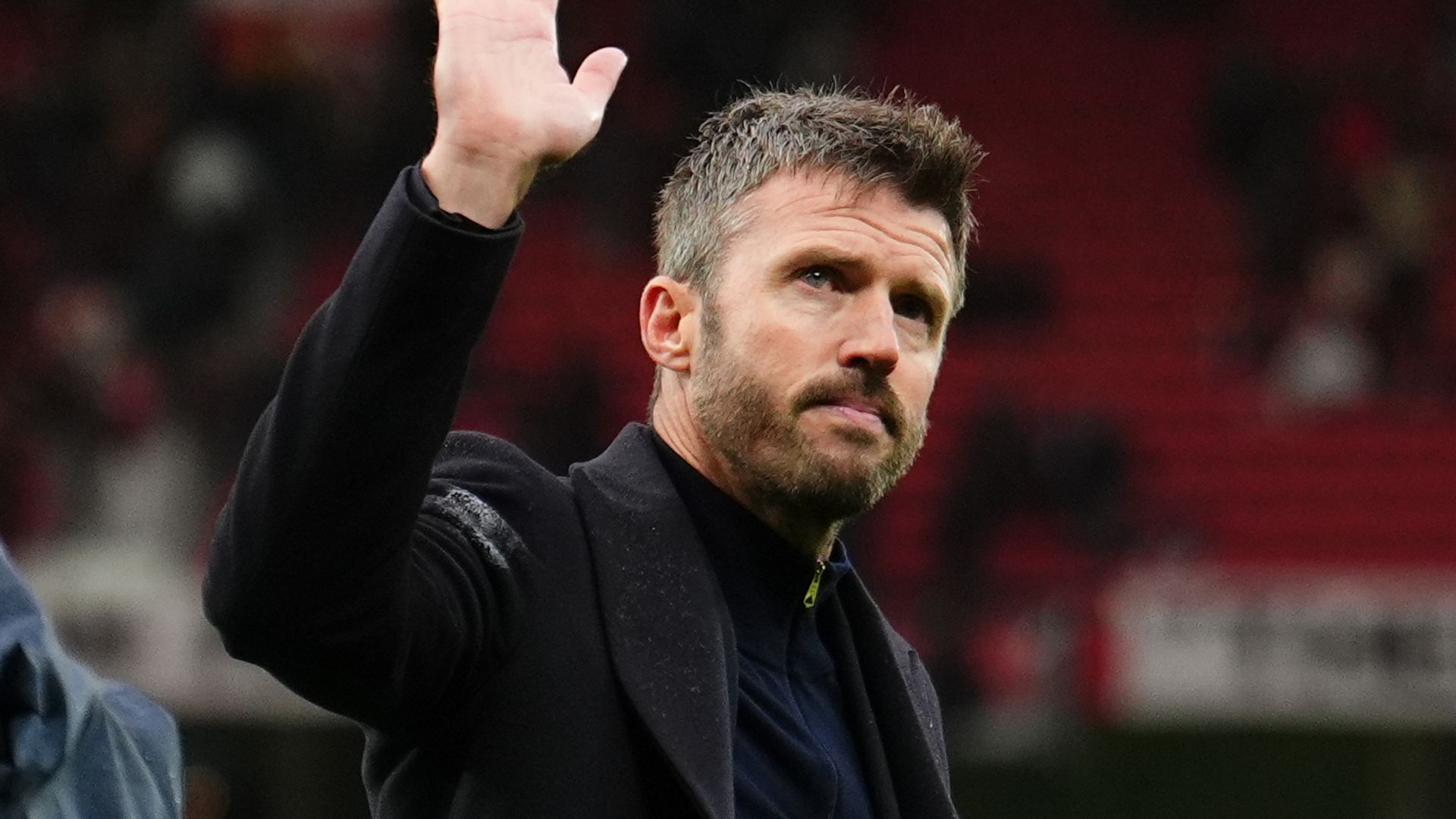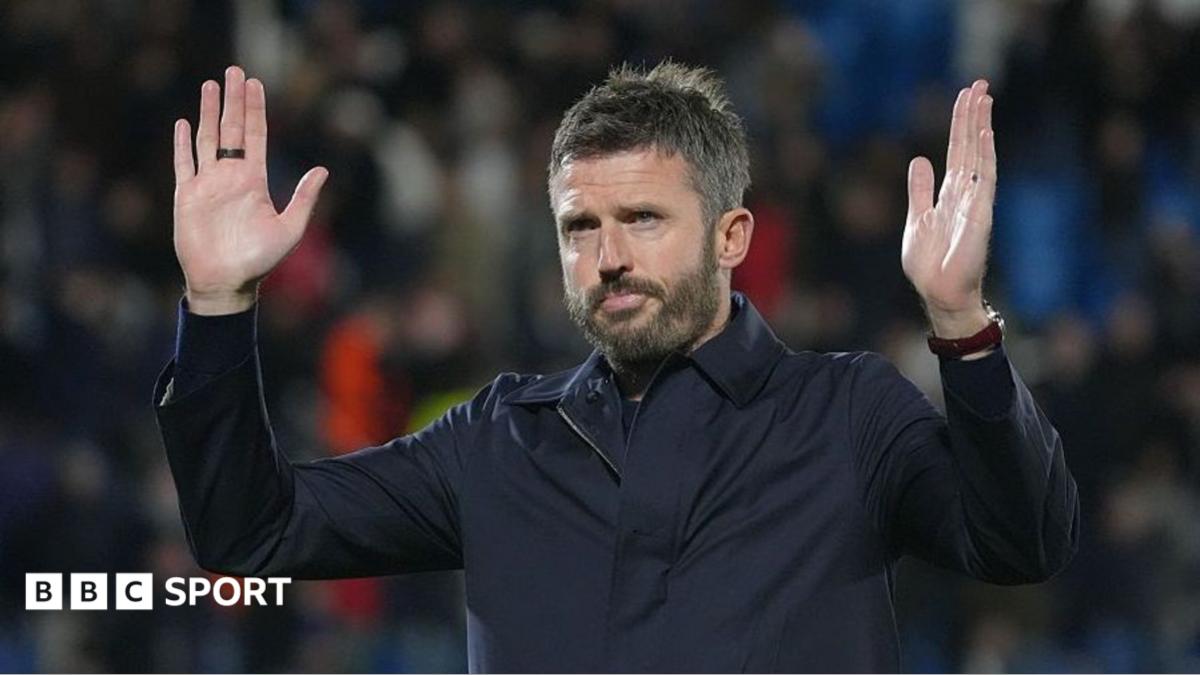

Manchester United's transfer policy is a crisis of identity, not a crisis of results
Old Trafford is not falling down because Michael Carrick cannot organise a midfield. It is falling down because the people above him have spent a decade building a squad by instinct, ego and emergency, and calling it a strategy. The 3-0 defeat to Bournemouth was not an aberration. It was the logical output of a recruitment machine that treats the transfer market like a fruit machine: pull the lever, hope three cherries line up, blame the manager when they don't.
The pattern is not new—it is the only constant
Since Sir Alex Ferguson retired in 2013, United have spent more than £1.5bn on players. They have won no Premier League title, reached one Europa League final, and cycled through six permanent managers. The common thread is not the dugout. It is the boardroom's refusal to impose a coherent football identity on the market. Liverpool under FSG built a data-led model and won everything. Manchester City under Txiki Begiristain pursued a style and signed for it. United, by contrast, have signed players who belonged to six different tactical universes and asked each new manager to make sense of the wreckage.
Consider the post-Ferguson signings. Angel Di Maria was a winger signed for Louis van Gaal's wing-back system. Alexis Sánchez arrived to play in a side that no longer pressed. Paul Pogba was bought for a midfield that had nobody to complement him. Jadon Sancho was signed for a team without a right-back to overlap. Each was a talent. None fitted a plan. That is not bad luck. It is the absence of a plan.
The same pattern is visible in the youth academy. United's Under-18s have won trophies, produced Marcus Rashford, Mason Greenwood, Kobbie Mainoo and Alejandro Garnacho. But the pathway is blocked by expensive imports signed to justify the manager's immediate needs. Garnacho thrived because he was exceptional. Mainoo survived because he was too good to ignore. The others wait, or leave. A club with United's resources should be producing three first-team players a decade, not one every five years.
The slot machine has three reels and none of them align
The current recruitment model at Old Trafford is not a model. It is a series of competing impulses, each one pulling in a different direction.
- The commercial signing. Cristiano Ronaldo's return in 2021 was a marketing decision dressed up as a football one. He scored goals, but he destabilised the press and forced Ole Gunnar Solskjær to abandon the system that had finished second. United have been chasing that ghost ever since.
- The panic buy. Casemiro arrived in August 2022 because United had lost their first two games under Erik ten Hag. He was 30, on £350,000 a week, and signed to solve an immediate crisis. Two years later, he is a symbol of a club that buys for the next match, not the next five years.
- The vanity project. Antony cost £85m because Ten Hag knew him from Ajax. He has scored five league goals in two seasons. That is not a scouting failure. That is a governance failure—a club that allows a manager to spend nine figures on a player he once coached, with no independent strategic check.
The result is a squad that is simultaneously too old in midfield, too callow in defence, and too expensive in attack. It is a squad built by five different managers, each one trying to fix the mistakes of his predecessor. It is a squad that cannot press because it has no shared football language. And it is a squad that cost more than Manchester City's treble-winning side.
The counter-argument: United have spent big because they have to
The steel-man case is simple. United are a commercial giant with a global fanbase and a stadium that needs rebuilding. They cannot afford to wait three years for a data model to bear fruit. They must compete immediately. The Glazers' leveraged buyout loaded the club with debt, and the only way to service it is to stay in the Champions League. Therefore, the argument goes, United must buy proven talent, even at a premium.
That argument collapses on its own logic. Panic buying is the most expensive strategy in football. Casemiro cost £70m and will leave for nothing. Antony cost £85m and has no resale value. Sancho cost £73m and was loaned back to Borussia Dortmund. The slot machine has not paid for the stadium. It has burned the money that might have. Meanwhile, Liverpool signed Mohamed Salah for £34m, Sadio Mané for £36m and Andy Robertson for £8m. None was a panic buy. All were part of a plan. The difference is not resources. It is governance.
INEOs, Sir Jim Ratcliffe's vehicle, has promised a new era. But the early signs are familiar. Dan Ashworth arrived as sporting director, then left within months. The recruitment of Joshua Zirkzee and Noussair Mazraoui in the summer of 2024 looked less like a blueprint and more like a list of players available at the right price. The slot machine is still spinning.
Verdict: United will finish outside the top six again, and the manager will pay for the board's failure
Here is the prediction, falsifiable and specific. Manchester United will finish outside the Premier League's top six in the 2025-26 season. Michael Carrick will be sacked before the November international break. And the club will spend more than £150m in the following summer window on players who do not fit a coherent tactical identity—because the people making the decisions still believe that the next pull of the lever will be the one that pays out. It won't. The only way to fix a slot machine is to stop playing it.
Related Articles
Filed under: Opinion | LA Premier League Home