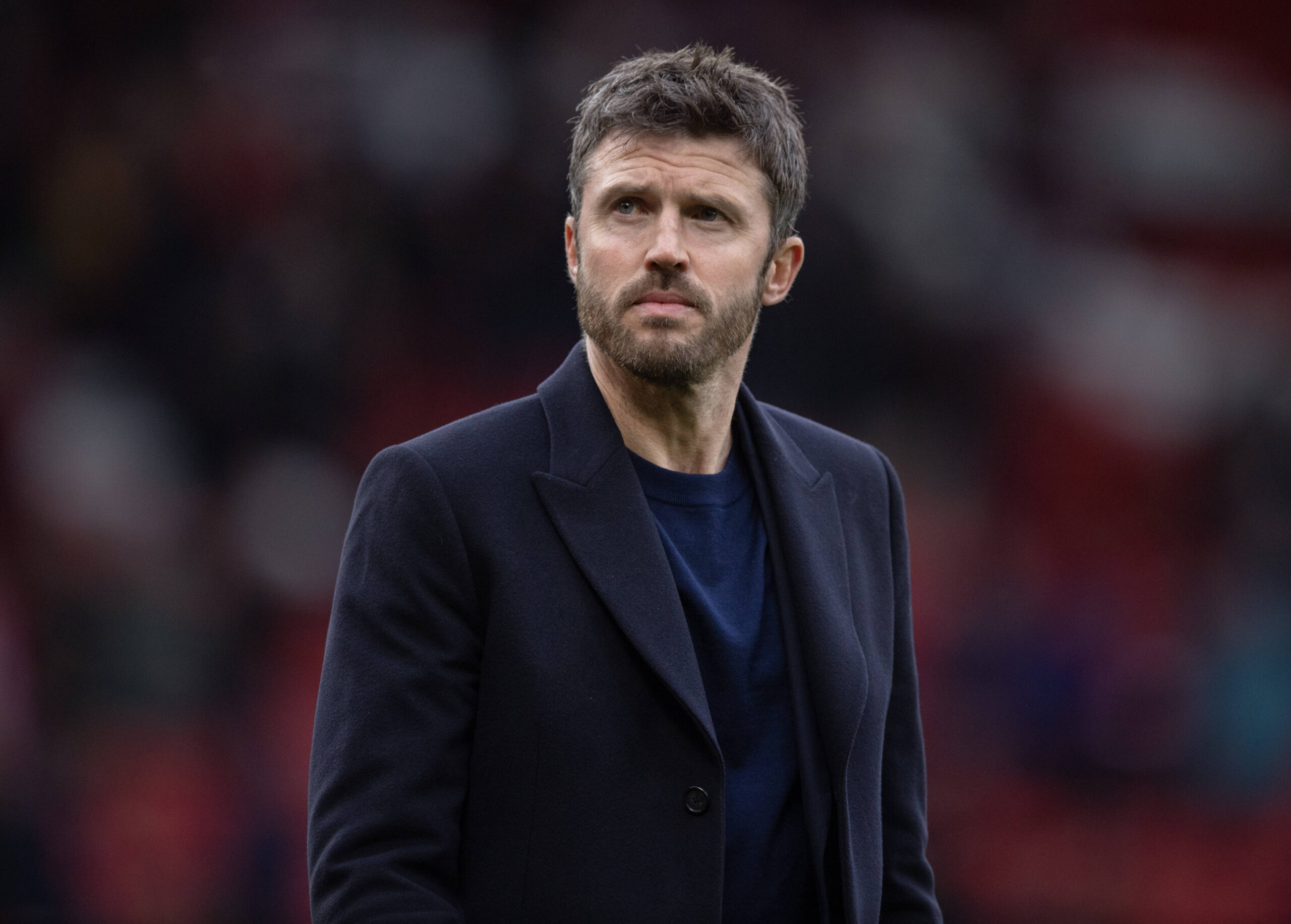

The Theatre of Dreams Has Become a Theatre of Panic
Manchester United’s transfer strategy is not a rebuild; it is a series of expensive improvisations. The club lurches from one target to the next, guided by whims rather than a coherent football vision. This is not how you reclaim a Premier League title.
From Busby to Ferguson: The Lost Art of Succession Planning
Historically, United’s greatness was built on identifying and developing talent, then supplementing it with astute signings. Sir Matt Busby’s Babes and Sir Alex Ferguson’s Class of ’92 were not accidents; they were the product of deliberate youth policies aligned with a clear playing philosophy.
Even Ferguson’s later splurges—Rio Ferdinand, Wayne Rooney, Robin van Persie—were surgical strikes to address specific weaknesses. There was always a method. Today, there is only madness. The club has spent over £1.5bn on transfers since Ferguson retired, yet the squad remains imbalanced and mentally fragile.
The Current Transfer Strategy: A Case Study in Dysfunction
United’s recruitment is reactive, not proactive. They chase whoever is flavour of the month, often after rivals have already moved. The summer’s pursuit of Kevin Schade, a £30m-rated Brentford winger, exemplifies the problem. Arsenal are keen admirers and may lead the race, yet United’s interest appears born of desperation rather than a calculated plan. Schade is a talent, but is he a transformative signing? Unlikely.
Meanwhile, the youth academy—once the envy of Europe—has become a vanity project. Cobham and Hale End produce first-team regulars; Carrington produces social media clips. The recent sale of academy graduates for pure profit (Mason Greenwood, Dean Henderson) underlines a short-termist financial approach that undermines the club’s identity.
Consider these three damning indicators:
- No clear playing identity: United have cycled through six permanent managers since 2013, each with a different style. Recruitment has followed suit—from Moyes’s crosses to Ten Hag’s Ajax alumni—without ever building a coherent squad.
- Youth promotion without pathway: Talent like Hannibal Mejbri and Alvaro Fernandez were sold without ever being given a sustained run. Meanwhile, expensive imports like Antony and Casemiro block their path.
- Reactive transfer windows: The club consistently overspends on late panic buys (Odion Ighalo, Wout Weghorst) because they fail to plan ahead. January moves for Schade would be another Band-Aid.
The Counter-Argument: Patience and Profit
Some argue that United’s spending is a necessary evil to close the gap on Manchester City, and that youth players must be sold to balance the books under Financial Fair Play. Ineos’s arrival, they say, will bring a data-led approach and long-term vision.
But this ignores the evidence. City and Liverpool generate profits from academy sales without sacrificing first-team quality because their playing style is fixed. United’s FFP struggles are a direct result of wasted millions on ill-fitting players. Selling academy graduates to fund more bad buys is not a strategy; it is a Ponzi scheme.
The Verdict: United Will Finish Outside the Top Four Again
Unless United appoint a sporting director with real power and a coherent football philosophy, they will continue to drift. The signing of Schade, if it happens, will not solve the underlying issues. Expect another season of inconsistency, another mid-table finish, and another managerial change by 2026. The Theatre of Dreams is now a theatre of delusion.
Related Articles
Filed under: Opinion | LA Premier League Home