
Manchester United's transfer policy is the most expensive identity crisis in world football
Manchester United have spent over £1.5bn since Sir Alex Ferguson retired and are further from a coherent team than ever. The problem is not the money; it is the absence of a philosophy. Every manager inherits a squad built for his predecessor, and every window is a panicked reaction to the last one.
The Busby and Ferguson blueprint
Matt Busby built a dynasty on youth: the Busby Babes were not a marketing slogan but a recruitment strategy. Ferguson refined it, promoting the Class of '92 and supplementing them with signings who fitted a clear identity — Cantona, Keane, Van Nistelrooy, Ronaldo. Each arrived to solve a specific football problem, not to satisfy a commercial department or a social media algorithm.
The modern equivalent should be straightforward: identify a style, hire a manager to implement it, and buy players who fit. Instead, United have swung from Moyes to Van Gaal to Mourinho to Solskjaer to Ten Hag to Carrick, each with a radically different footballing ethos. The result is a squad that is neither pressing nor possession-based, neither counter-attacking nor controlling. It is simply expensive.
The case against the current direction
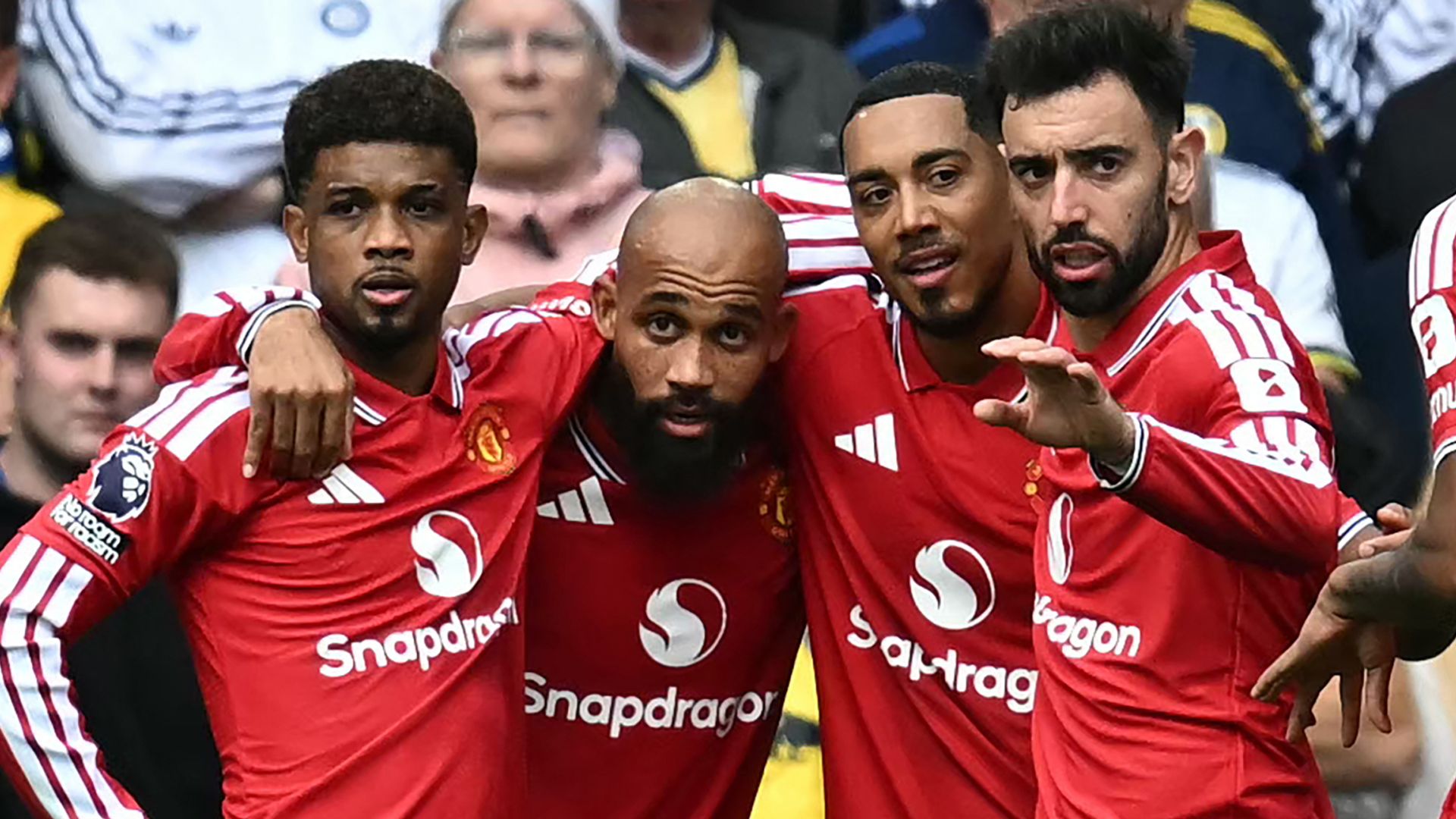
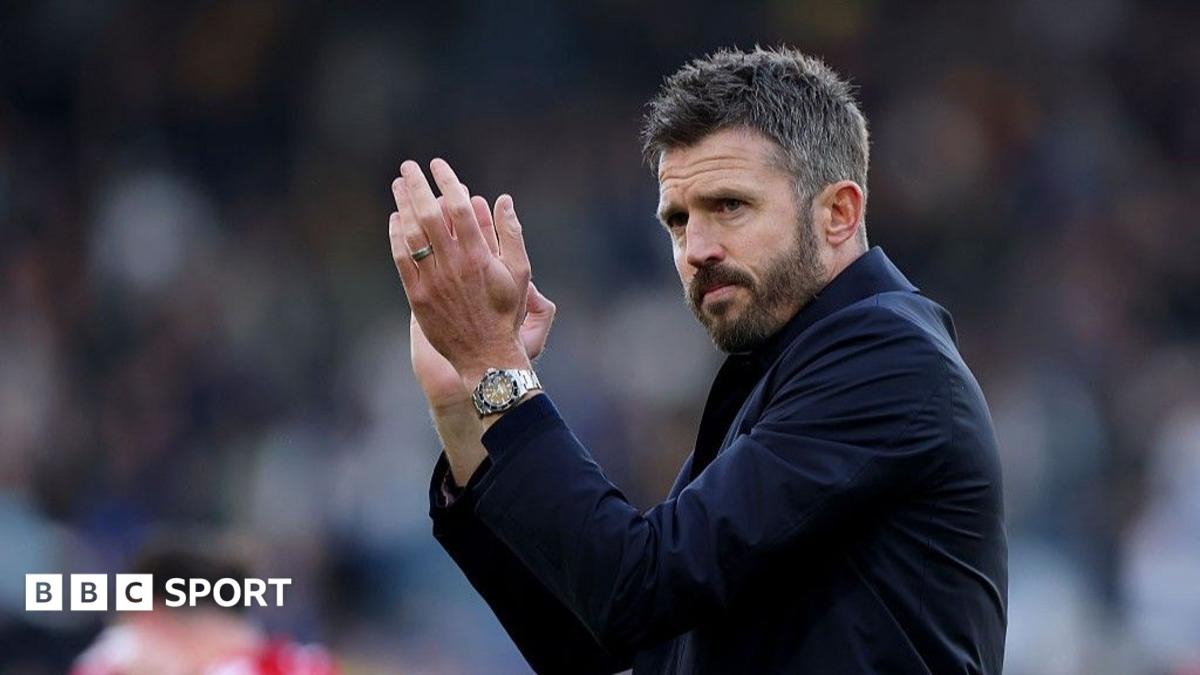
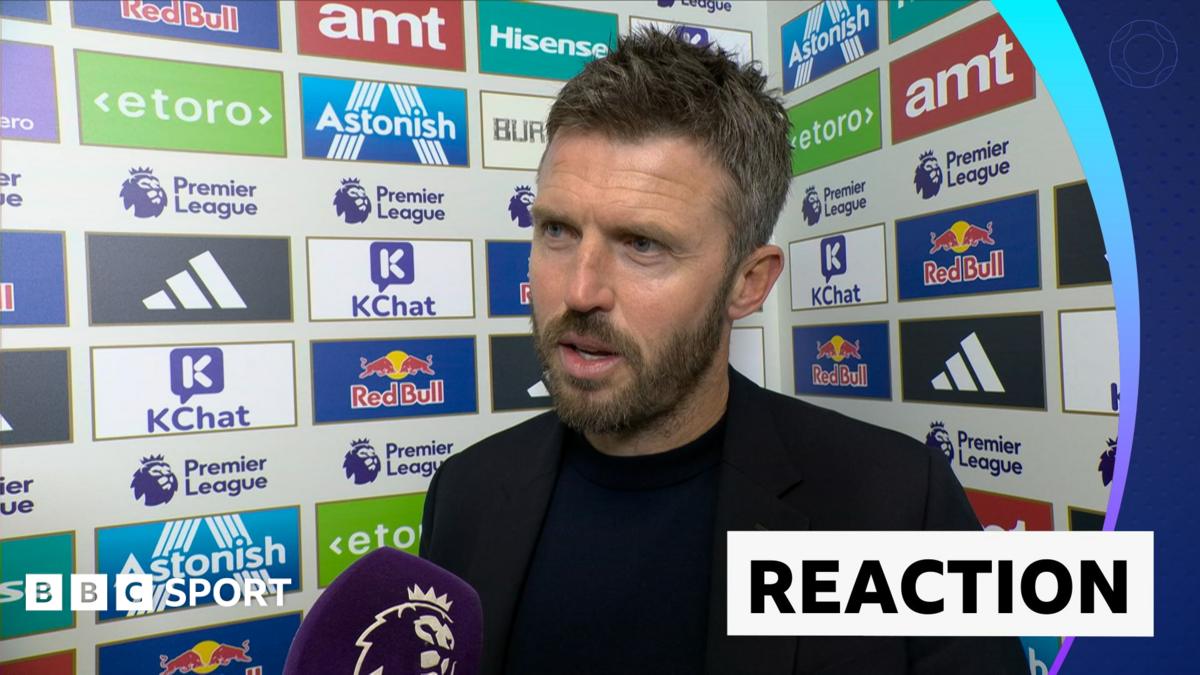
Michael Carrick's interim spell has exposed the structural failure. Gary Neville warns United must be top five by January, yet the club sits 13th after a 1-1 draw at Leeds extended a winless run to six. Carrick is being asked to qualify for the Champions League with a squad assembled for Ten Hag's transitional chaos, then for Solskjaer's counter-attacks, then for Mourinho's low block.
- United spent £85m on Antony, a player who thrived in Ten Hag's Ajax system, then sacked Ten Hag and left Antony without a system to thrive in.
- They signed Casemiro, a 30-year-old holding midfielder, on a five-year contract worth £70m in wages, a move that contradicted every principle of sustainable squad-building.
- The academy, once the envy of Europe, has produced Marcus Rashford and Mason Greenwood but has been starved of a clear pathway since the Glazer ownership prioritised commercial signings over internal development.
The scouting department has been repeatedly restructured but never empowered. United's recruitment is driven by agents, opportunism, and the fear of missing out. That is not a strategy; it is a gambling habit dressed up as ambition.
The counter-argument: chaos is inevitable at scale
The steel-man case is that modern football is too volatile for long-term planning. Chelsea have won trophies by hoarding talent; Real Madrid sign the best player available regardless of fit. United's commercial weight means they can afford to churn managers and players until something clicks.
But Chelsea's model is backed by a coherent data operation and a multi-club structure; United have neither. Real Madrid's 'best player available' policy works because they sign Ballon d'Or winners, not £85m wingers with no end product. United's chaos is not a strategy; it is a failure to choose one. The academy, meanwhile, continues to produce players who are sold or stagnate — a farm system for clubs with clearer identities.
The verdict: Carrick will fail, and the cycle will repeat
United will finish outside the top six this season. Carrick will be replaced in the summer by a manager with a different philosophy, who will demand £200m of new signings, and the cycle will continue. The only way to break it is to appoint a sporting director with real authority, commit to a style for three years, and accept short-term pain. Until then, United's mythology — built on youth, patience, and identity — is being sold off piece by piece. The prediction is falsifiable: if United finish in the top five this season, I will admit the strategy worked. They won't.
Related Articles
Filed under: Opinion | LA Premier League Home