
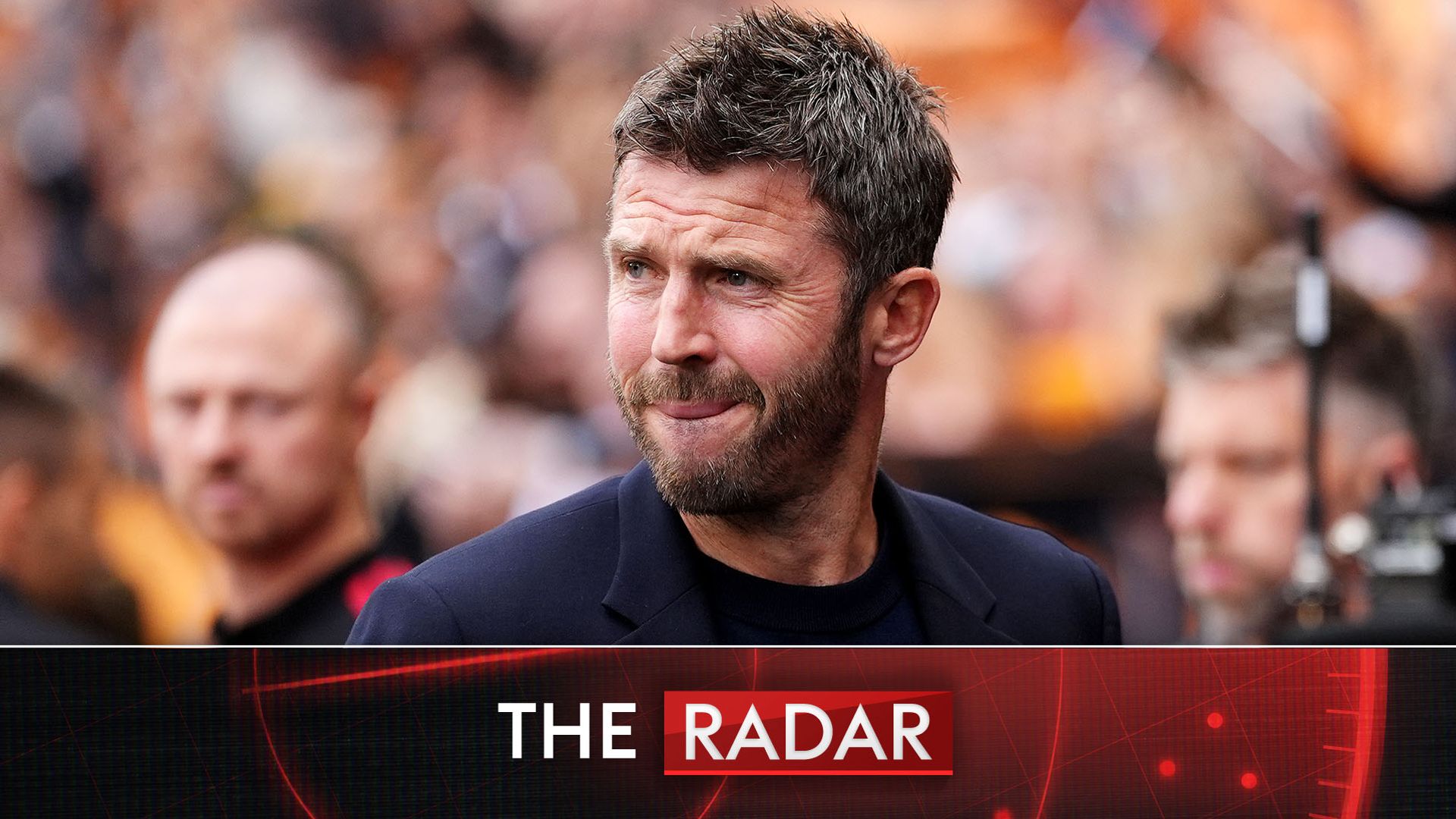
Man Utd's Set-Piece Vulnerability Meets Ampadu's Precision
Manchester United's defensive fragility from dead-ball situations faces a stern examination this weekend, as Leeds United's Ethan Ampadu brings his lethal free-kick delivery to Old Trafford. The Red Devils have conceded from set pieces more than any other Premier League side this season, while Ampadu has directly contributed to five goals from dead-ball scenarios for Leeds.
The Set-Piece Conundrum
United's zonal marking system, implemented by manager Ruben Amorim, has come under fire. In their last six league matches, four goals conceded have originated from corners or free-kicks, a statistic that ranks them 19th in the division for set-piece defensive efficiency. This is not an isolated issue; the problem has persisted since the start of the campaign, with only the league's bottom side having a worse record from such situations.
Amorim's high defensive line, combined with a lack of aerial presence in the box, has left his side exposed. Key defenders, including Lisandro Martinez, are often outjumped by more physical opponents. The manager has implemented a hybrid approach, mixing zonal and man-marking principles, yet confusion between players has led to miscommunication and unmarked runners.
Ampadu's Weapon: A Statistical Threat
Ethan Ampadu, primarily a midfielder, has redefined his role this season, often operating as a deep-lying playmaker. His set-piece delivery has become a formidable weapon for Leeds. Statistical analysis shows that his corners and free-kicks average an xG (expected goals) of 0.08 per attempt, a figure that places him in the top five in the Premier League for chance creation from dead balls.
His proficiency is not limited to crosses; he has also scored directly from free-kicks, demonstrating a dip and curl that troubles goalkeepers. In Leeds' recent 2-1 victory over Nottingham Forest, Ampadu's whipped corner led to the winning goal, underlining his ability to influence games from set-piece situations.
The Historical Context
Historically, United have prided themselves on solidity at the back. In the 2022-23 season, they conceded just 12 set-piece goals, ranking fourth in the league. Their current slump is a sharp contrast to the standards set by previous managers. The last time they conceded this many from dead balls in a season's first half was in 1989-90, a campaign that ended with them finishing 13th in the old First Division.
Leeds, meanwhile, have scored 12 goals from set pieces this season, the highest in the division, with Ampadu directly involved in nearly half of those. This matchup presents a significant threat to United's ambitions, as they look to climb into the European qualification spots.
Impact on the Title Race and European Hopes
United currently sit sixth in the table, four points adrift of the Champions League places. With fierce competition from Chelsea, Newcastle, and Aston Villa, every dropped point could prove costly. Their set-piece susceptibility is not just a defensive concern; it also affects their offensive output, as they commit extra men to defend corners, limiting their counterattacking ability.
Fantasy Premier League managers should take note. Ampadu, at a price of 4.6 million, is owned by 8.2% of players and has accumulated 42 points this season, with three assists and two goals. Leeds' next four fixtures are against teams with poor set-piece defensive records, making him a differential pick. In contrast, United's defensive assets, such as Diogo Dalot, have seen their ownership drop as clean sheets become rarer.
What's Next: A Test of Adaptability
Amorim must find a solution quickly. In training, he has reportedly worked on a hybrid marking system, assigning specific players to zone near the goal, while others pick up attacking runners. This could involve dropping a midfielder into the back line to add height, a tactic used by some of United's rivals.
For Leeds, this match is an opportunity to secure a statement victory in their bid for a top-half finish. Ampadu's free-kick delivery will be a central focus, and if United fail to learn from their past mistakes, they may again suffer from the consequences of poor dead-ball defending. The outcome could have lasting implications for both clubs' seasons.
Related Articles
Filed under: Tactical Analysis | LA Premier League Home