
Bournemouth's Chaos Is a Feature, Not a Bug
Bournemouth are the Premier League’s most entertaining mid-table side. They press like maniacs, score goals in bursts, and lose their shape with thrilling abandon. But this chaos is not a bug—it is the system. And that system has a fatal flaw that will cost them a top-half finish.
The High-Wire Act Without a Net
Andoni Iraola’s Bournemouth are built on aggressive pressing and vertical transitions. Last season they ranked third in the Premier League for high turnovers, yet only 14th for goals conceded from fast breaks. That gap reveals the problem: they win the ball high but leave acres behind. It is a high-wire act without a net.
Compare them to Marcelo Bielsa’s Leeds United. Bielsa’s sides were similarly thrilling but defensively porous. Leeds conceded 54 goals in their first season back in the Premier League—Bournemouth conceded 67 last term. The pattern is clear: relentless pressing without midfield discipline leads to a leaky defence.
The Midfield Illusion
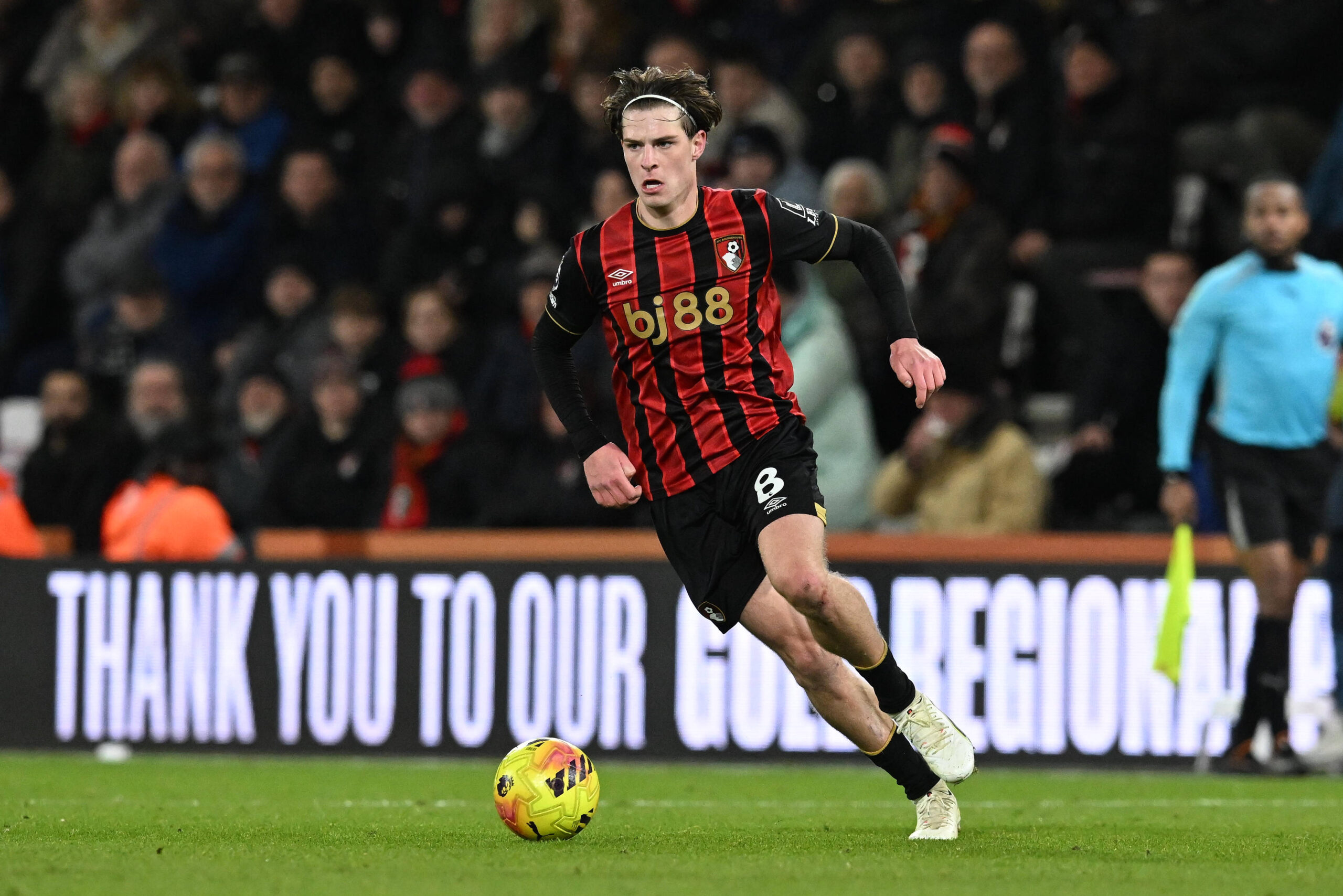
Bournemouth’s midfield is not controlling games; it is bypassing them. The double pivot of Lewis Cook and Ryan Christie is energetic but positionally reckless. They press forward, leaving the centre-backs exposed. When they lose the ball, there is no screen. This is not a bug—it is Iraola’s design.
- High turnovers, low control: Bournemouth ranked fifth for high turnovers but 16th for possession in the middle third. They win the ball in dangerous areas but cannot keep it.
- Defensive transitions: Only Sheffield United conceded more goals from fast breaks last season. Bournemouth’s midfield is often nowhere to be seen.
- Set-piece vulnerability: They conceded 12 goals from set pieces, the fourth-worst in the league. Without a dominant defensive midfielder, they are bullied in the box.
These are not isolated incidents. They are symptoms of a system that prioritises chaos over control. Iraola’s philosophy is built on risk, but the Premier League punishes risk takers who lack structure. Bournemouth are not organised chaos; they are just chaos.
The Counter-Argument: Entertainment as Strategy
The counter-argument is that Bournemouth’s style is intentional—and effective. They finished 12th last season, their highest ever Premier League position. They scored 54 goals, more than Chelsea and Manchester United. The entertainment value is undeniable, and the club’s ambition is admirable.
But entertainment does not win points consistently. Bournemouth’s expected points (xP) last season was 48, yet they finished with 48—exactly par. They did not overperform; they were lucky to avoid a late-season collapse. In fact, they conceded 22 goals in the final 15 minutes of matches, the most in the league. That is not a coincidence; it is a direct consequence of their chaotic midfield.
Moreover, the sale of key players like Jefferson Lerma and the reliance on loanees has left the squad thin. Iraola’s system demands energy, but without depth, the intensity drops. The result is a team that starts brightly and fades—a dangerous recipe for a relegation-threatened side.
Verdict: A Relegation Battle by Christmas
Bournemouth will not be relegated, but they will be dragged into a fight. By Christmas, they will be within four points of the bottom three. Iraola will be under pressure, and the board will question whether his chaotic style is sustainable. The flaws are too deep to fix mid-season. Unless Bournemouth sign a defensively disciplined midfielder in January, they will finish 15th or lower. That is not entertainment; that is a wasted opportunity.
Related Articles
Filed under: Tactical Analysis | LA Premier League Home