
The Busby Babes Are Now a Marketing Department
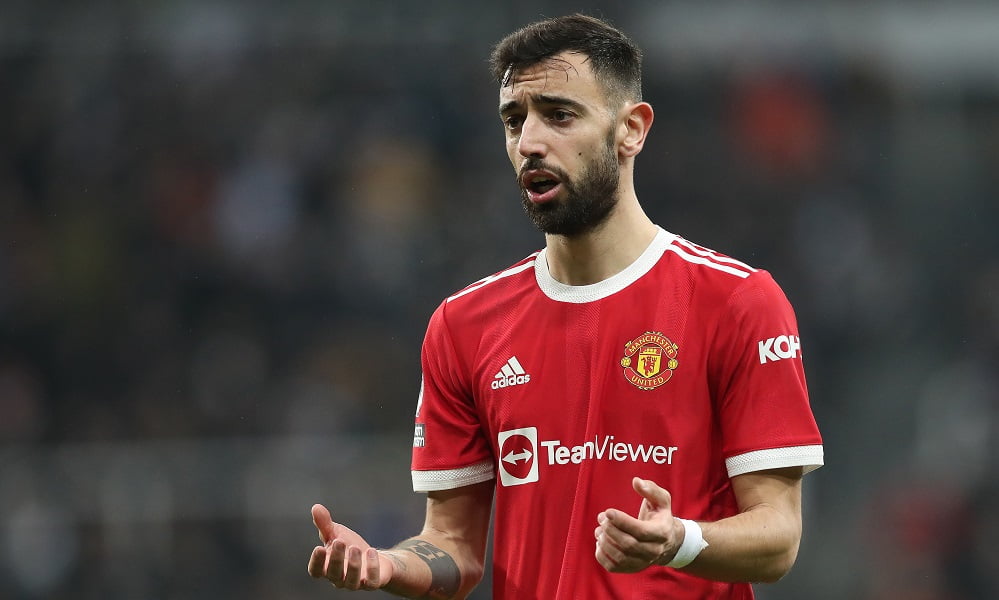
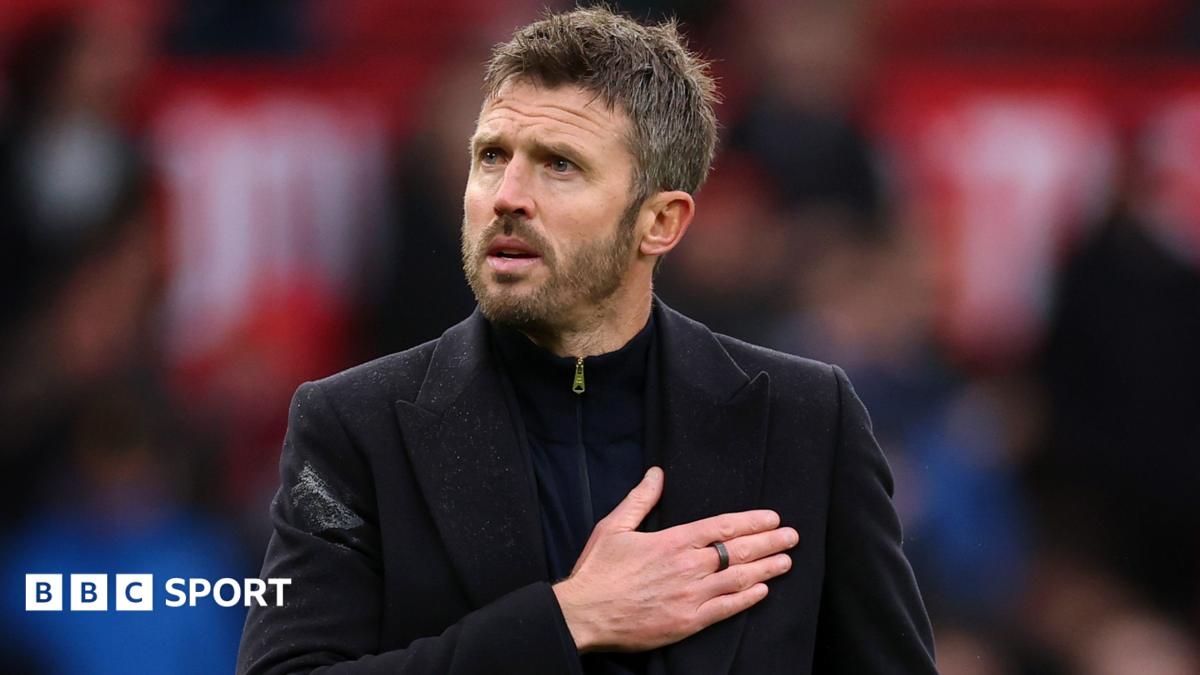
Manchester United's academy is no longer a production line. It is a heritage attraction, lovingly maintained and commercially weaponised, while the first team sinks toward the Championship with seven points from eight games and a manager — Michael Carrick — retained only because sacking him midweek would embarrass the board more than another defeat.
That is the real scandal at Old Trafford. Not Carrick's tactics, not Bruno Fernandes's body language. It is a club that has spent a decade selling the idea that youth is its identity while building a squad that cannot pass through midfield.
Heritage Is Not a Transfer Policy
Comparisons with 1992 are seductive and false. The Class of '92 emerged into a club with the best manager in Britain, a coherent style and a domestic market it could dominate on wages alone. None of those conditions exists now. United's academy graduates of the past ten years — Marcus Rashford, Scott McTominay, Dean Henderson, Mason Greenwood — have been sold, loaned or absorbed into dysfunction.
Meanwhile Chelsea, for all their absurd churn, have weaponised youth as financial infrastructure: buy at 17, loan, sell at 24, book pure profit under PSR. Manchester City extract value through the City Football Group's global funnel. United do neither. They keep the museum open and hope visitors buy a shirt.
Look at the Carabao Cup tie with Chelsea this week. United face a side prepared to spend £100m on Alex Scott in January while United's own recruitment is so paralysed that the biggest story of the week is a manager who wasn't sacked. The contrast is not about money. It is about institutional clarity, and United have none.
The Argument: Sentiment Is Now a Competitive Disadvantage
The romantic defence — that United must develop their own because of Busby and Ferguson — is the most expensive piece of nostalgia in world football. It distorts squad planning, inflates the reputations of academy products before they have earned it, and gives every manager a convenient excuse: we give youth a chance.
What United actually do is hand academy players to a broken first-team structure and let them absorb the damage. The club then sells the survivors and calls it philosophy. No elite side succeeds this way in 2025.
- McTominay was sold to Napoli for around £25m while United's midfield remained the slowest in the top half — a financial win that was footballing vandalism.
- Rashford was given a mammoth contract on the strength of a single 30-goal season, then loaned away — youth policy as brand maintenance.
- Alejandro Garnacho, the one genuine academy success of the post-Ferguson era, has been treated as a sellable asset rather than cornerstone.
- Meanwhile Chelsea scout Nicolo Tresoldi and move for Alex Scott while United's recruitment department waits for a manager who may not last the month.
The deeper problem is structural. United's academy is judged on first-team appearances, not on the value it creates or the system it serves. That metric is vanity. A club in 16th needs players who can compete now. The academy can help — providing it is integrated into a coherent football operation rather than a PowerPoint slide for the board.
The Counter-Argument: Youth Is the Only Sustainable Route
The steel-man is obvious. PSR and FFP punish clubs with bloated wage bills, and homegrown sales are pure profit. Chelsea's fire sale of academy talent looks cynical but keeps them compliant. Arsenal's emergence of Max Dowman shows what elite integration can do. Why shouldn't United lean into what they do best?
Because United do not do it best. They do it sentimentally. There is a difference between Chelsea's cold, industrial approach to youth and United's habit of promoting players into a tactical vacuum and calling it courage. Youth development is not a strategy unless it sits inside a system — a style, a recruitment model, a plan for who plays at 18 and who is sold at 22. United have the romance without the machine.
And the machine is the point. Bournemouth are lining up replacement targets and planning six moves ahead. United are debating whether to sack a caretaker before a cup tie. The gap is structural, not financial, and it will not be closed by another photograph of a teenager signing a professional contract.
Verdict: United Will Not Sign Alex Scott, and Will Still Be 15th in January
Here is the falsifiable prediction. Manchester United will not make a serious, competing January bid for Alex Scott or any comparable £60m-plus midfielder, while Chelsea complete the move. By the February international break, United will sit no higher than 15th and will have sacked Carrick or his successor. And at least one more academy graduate will have been sold to fund a short-term signing with no resale value.
The museum will remain open. The first team will keep sinking. That is the cost of confusing heritage with strategy.
Related Articles
Filed under: Opinion | LA Premier League Home