
Man Utd's Academy Is Now a Feeder System for Man City
Manchester United fearing that 15-year-old JJ Gabriel will join Manchester City is not a transfer story. It is a confession. The club that once built dynasties from its youth ranks now watches its brightest talent walk to the blue side of Manchester.
This is not bad luck. It is the logical endpoint of a strategy that has spent a decade treating the academy as a marketing tool while the first team became a showroom for overpriced, ill-fitting signings.
A Proud History Reduced to a Slogan
Between 1992 and 2013, Manchester United won 13 Premier League titles. In that period, academy graduates made over 3,500 first-team appearances. The Class of '92 was not an anomaly; it was the product of a coherent pathway from youth football to the first team. Sir Alex Ferguson understood that young players need minutes, not just medals.
Since Ferguson retired, United have spent over £1.5 billion on transfers. Only Marcus Rashford and Scott McTominay have come through the academy to become regular starters in that time. McTominay was sold to Napoli in 2024. Rashford's form has been patchy at best. Meanwhile, City have won six of the last seven league titles with a squad that cost less than United's and an academy that produced Phil Foden, Rico Lewis and Cole Palmer.
The JJ Gabriel situation is not a one-off. It is the fourth time in three years that a highly rated United teenager has been linked with a move to City. In each case, the club's response has been reactive, not strategic.
The Transfer Strategy Is the Problem
United's reported plans to sign Jarrad Branthwaite for £35m and Federico Dimarco for £43m in 2027 are laughable. Not because those players are bad — they are both excellent — but because the club is planning a defensive overhaul two years in advance while its academy is bleeding talent.
The left-back situation is instructive. Luke Shaw's future is in doubt. Tyrell Malacia has been injured for over a year. Instead of promoting a young left-back from the academy, United are eyeing a 29-year-old Inter Milan player. This is not a rebuild; it is a revolving door.
Consider the list of academy players United have sold or lost for minimal fees in the last five years:
- Dean Henderson — sold to Crystal Palace for £20m after years of loan spells
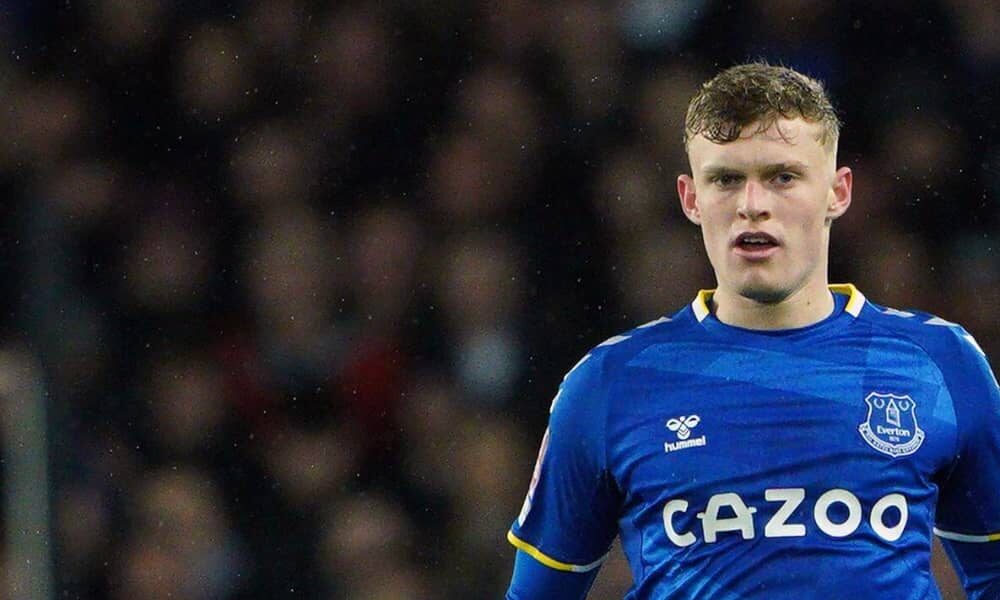
- James Garner — sold to Everton for £15m, now a regular in a mid-table side
- Anthony Elanga — sold to Nottingham Forest for £15m, now a Sweden international
- Mateo Mejía — left for Sevilla on a free transfer
- JJ Gabriel — likely to join Man City for a compensation fee
Each of these players could have been squad depth. Instead, United spent £60m on Casemiro, £85m on Antony, and £72m on Rasmus Højlund. The academy is not failing because of a lack of talent. It is failing because the first team has no pathway.
The Counter-Argument: Youth Players Need to Earn It
The steel-man argument is that United's academy players are simply not good enough. City's academy is better funded, better coached, and better positioned to win trophies. If Gabriel wants to leave, it is because City offer a clearer path to silverware.
That argument collapses under scrutiny. Phil Foden made 26 first-team appearances in his breakthrough season because Pep Guardiola trusted him. United gave Jadon Sancho 82 appearances in three years — and he was signed for £73m. If Gabriel stays at United, he will compete with Antony, Amad Diallo, and whichever expensive winger the club signs next summer. At City, he competes with Jeremy Doku and Jack Grealish. Both are tough, but only one club has a recent history of promoting youth.
Michael Carrick's slow start as manager has not helped. But the root cause is not the manager. It is a board that treats the academy as a cost centre rather than a competitive advantage.
The Verdict: United Will Lose Gabriel and Blame the Player
Manchester United will not fix this. The club will lose JJ Gabriel to Manchester City, issue a statement about respecting his decision, and then spend £50m on a 27-year-old winger from Serie A. By 2028, Gabriel will be a regular in City's first team, and United will be planning another 'defensive overhaul' for 2030.
Prediction: JJ Gabriel will sign professional terms with Manchester City before his 17th birthday. He will make his Premier League debut for City in the 2028-29 season. United will finish outside the top four in both of the next two seasons. The academy will produce one more first-team regular in the next five years — and he will be sold to fund a panic buy.
This is not a crisis. It is a pattern. And it will not change until the people running Manchester United stop pretending that history is a strategy.
Related Articles
Filed under: Opinion | LA Premier League Home