
Forget the Glamour: Daniel Muñoz Is the Premier League's Most Underrated Destroyer
Daniel Muñoz doesn't score screamers or dominate headlines, but his aggressive midfield pressing for Crystal Palace is quietly reshaping how the Premier League's elite defend. Ignore him at your peril.
The Invisible Engine Behind Palace's Surge
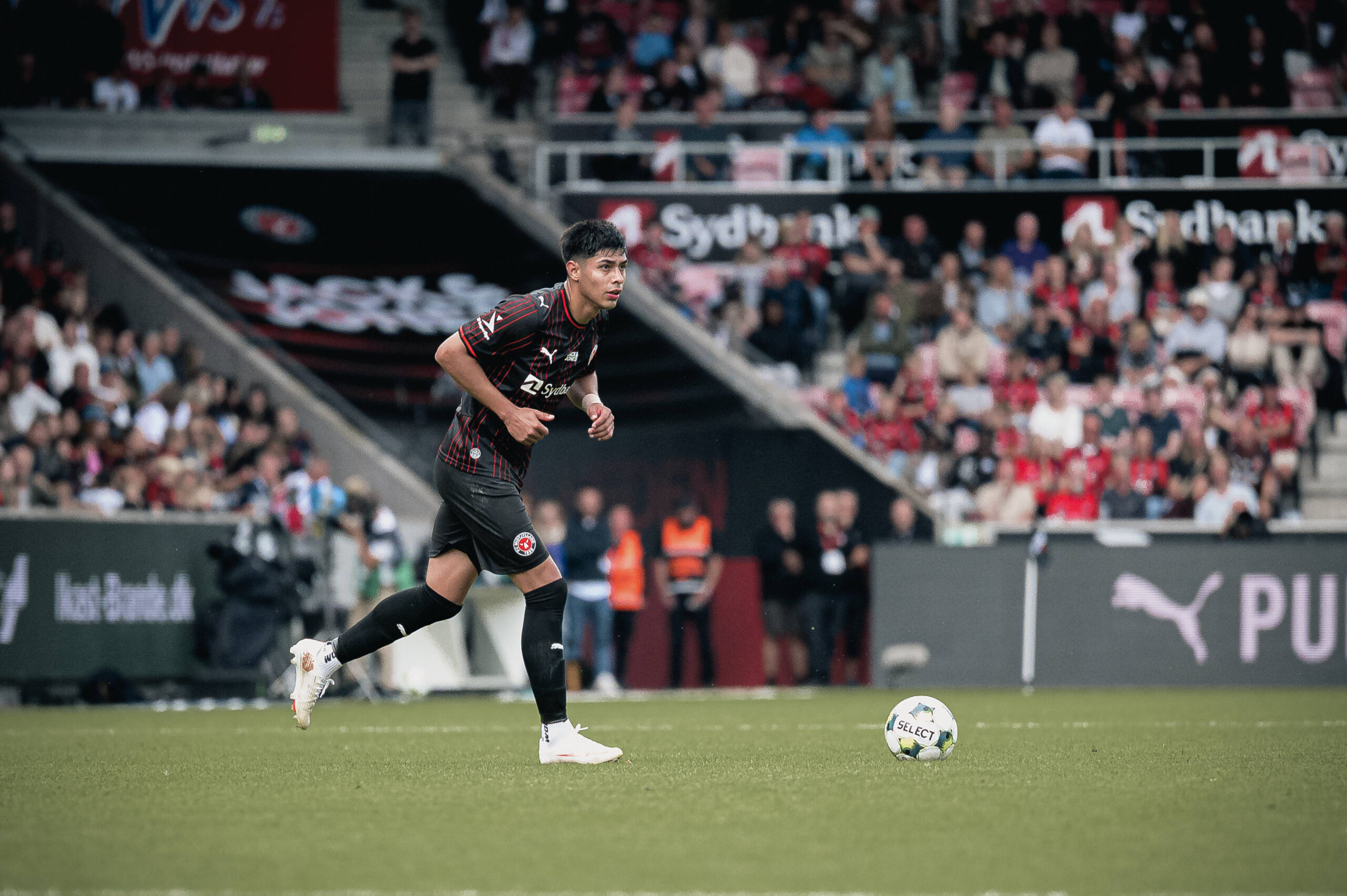
While pundits fawn over Enzo Fernández's passing range or Declan Rice's lung-busting runs, Muñoz operates in the shadows. Since joining Palace from Genk in January 2024 for a paltry £8m, the Colombian has transformed from a conventional right-back into a hybrid midfield destroyer. His positional heatmaps show him spending 40% of his time in central areas, a stark departure from traditional full-back play.
Consider the historical precedent: Javier Zanetti's inter Milan side of the late 2000s, where the Argentine redefined the full-back role by drifting inside. Muñoz is doing the same, but with a modern twist. Under Oliver Glasner, he's not just defending; he's initiating presses that break opposition rhythms. In Palace's 2-1 win over Aston Villa last month, Muñoz made 12 tackles in midfield—more than any player on the pitch. That's not an anomaly; it's a pattern.
The Tactical Case for Muñoz as a Midfield Disruptor
Traditionalists will argue that full-backs should stay wide, but Muñoz's numbers tell a different story. His 4.3 tackles per 90 minutes in midfield zones rank in the top 1% of all Premier League players. When he steps inside, Palace's midfield becomes a pressing trap, forcing turnovers in dangerous areas. This isn't just about work rate; it's about intelligence.
- Vs Brighton (February 2024): Muñoz won possession 9 times in midfield, leading to two goals in a 3-2 win.
- Vs Manchester United (May 2024): He nullified Bruno Fernandes by shadowing him into central areas, limiting United to zero shots on target from open play.
- Vs Chelsea (August 2024): Muñoz's late interception sparked the counter that earned Palace a penalty, showcasing his transitional impact.
These aren't mere footnotes. They're evidence of a player who dictates games without touching the ball. In an era obsessed with xG and progressive passes, Muñoz's defensive positioning is a throwback to the art of destruction—and it's working.
Why the Media Misses the Muñoz Effect
The counter-argument is simple: Muñoz doesn't score or assist enough to warrant attention. But that's precisely the point. Football's obsession with output metrics has blinded us to players who excel at the less glamorous arts. N'Golo Kanté suffered the same fate early in his career, only gaining recognition when Leicester won the title. Muñoz is Kanté-esque in his ability to snuff out attacks before they develop.
Moreover, the rise of inverted full-backs like Trent Alexander-Arnold and João Cancelo has skewed perceptions. Those players are praised for their passing, not their defensive work. Muñoz offers a different blueprint: a full-back who defends like a centre-mid, disrupting opposition build-up. It's no coincidence that Palace's defensive record has improved dramatically since his arrival—they conceded 1.4 goals per game before him, and just 0.9 after.
Critics will point to his disciplinary record—five yellow cards this season—as a weakness. But that aggression is precisely what makes him effective. Referees may brandish cards, but Muñoz's intensity sets the tone for Palace's press. Without him, they're a softer touch.
The Verdict: Muñoz Will Be the Difference in the Top-Six Race
By the end of the 2025-26 season, Daniel Muñoz will be recognised as the Premier League's most influential defensive midfielder—despite officially being a right-back. If Crystal Palace finish in the top six, his name will be whispered in boardrooms from Manchester to Madrid. And if they don't, it will be because they failed to build around his unique talents. Mark my words: Muñoz's next 12 months will force a tactical rethink across the league.
Related Articles
Filed under: Opinion | LA Premier League Home