Man City's data-driven squad overhaul: £116m Elliot Anderson signing explained
Manchester City have overhauled their squad since the 2023 Treble using a 650,000-player database, sophisticated acquisition packs and traditional scouting. BBC Sport was given unprecedented access to the club's metrics machine, revealing how the £116m signing of Elliot Anderson from Nottingham Forest was analysed forensically.
- Database size: 650,000 footballers worldwide
- Key signing: Elliot Anderson, £116m from Nottingham Forest
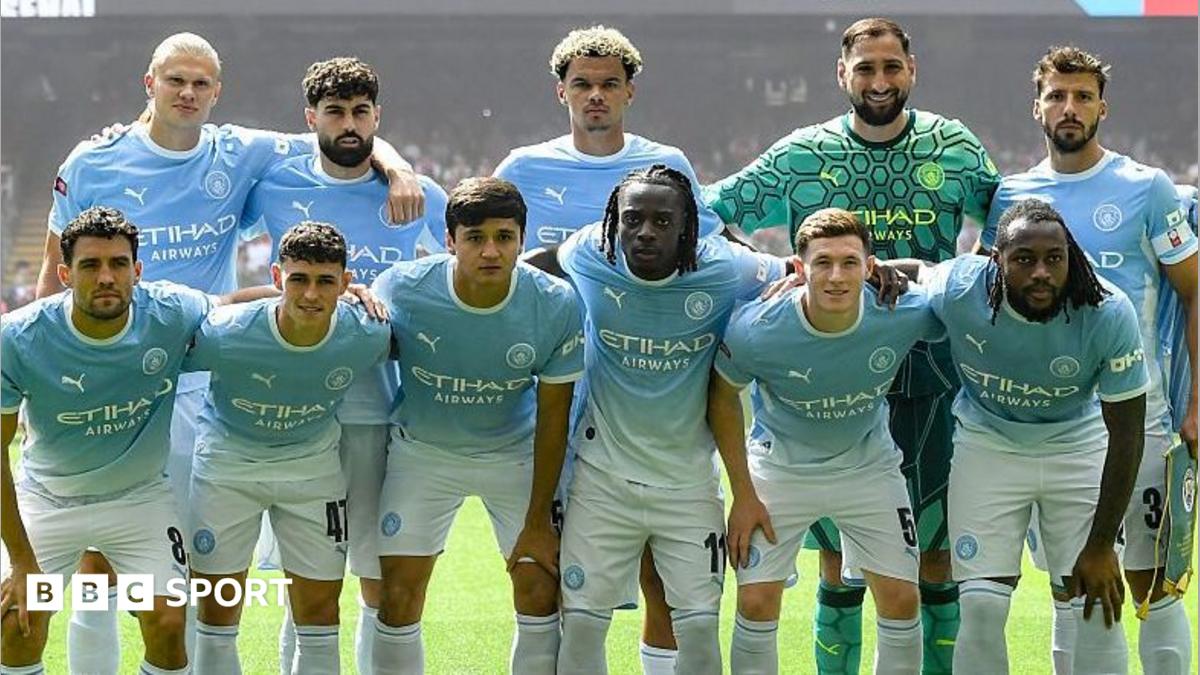
- Squad turnover: Only four players remain from the 2023 Treble-winning campaign
- Process: Data filters reduce the database to 20-50 names, then scouts cut to about six, then 2-3
- Current form: Five wins from five Premier League games this season
What was said
"Data plays a role in our decision-making, but it is just one part of the overall picture."
"We know data cannot tell us everything about a player. It cannot fully show a person's character, mentality or behaviour."
"That is why we study data insights but focus on the expertise of our scouts and other specialists."
Viana's comments underline a balanced approach: data informs but does not dictate. City's recruitment remains scout-led, with analytics as a powerful filter. This philosophy has allowed them to reduce risk in the transfer market while still identifying undervalued talent.
The numbers
- 650,000 - players in City's global database
- £116m - fee for Elliot Anderson
- 20-50 - names on the initial data-filtered longlist
- 6 - maximum players after scouting diligence
- 2-3 - final shortlist before valuation
- 3 - years of squad revamp
- 4 - players remaining from the 2023 Treble-winning squad
Deal details
Elliot Anderson joined Manchester City from Nottingham Forest for £116m. The 23-year-old had developed into a key player for Forest and had cemented his position in the England national team. City fought off other top clubs, including Manchester United, to sign him. The deal highlights City's forensic approach: despite Anderson's obvious talents, they still used their algorithm and went through all normal steps. Surprisingly, Anderson's metrics didn't necessarily catch the eye at the start of last season.
How City's data operation works
City's experts work towards a fundamental phrase: "What does it take to win?" This breaks down into identifying players, evaluating them, and assessing how the club could improve them, all with a view to enhancing the statistical probability of winning the Premier League. Last season, their data department projected Arsenal were favourites to be champions; they were accurate.
The starting point is the database of 650,000 footballers. Once the brief is set (e.g., a specific type of full-back), filters grade overall ability to whittle down to 20-50 names. This longlist is cross-referenced with scouting longlists. Further metrics rank and prioritise, and scouts complete diligence to reduce to about six players. Deeper dives include injury records, athletic performance, and behavioural habits.
Individual reports called acquisition packs contain key metrics, including a 'radar chart' rating specific on-field metrics. For example, when Jeremy Doku was signed in 2023, then manager Pep Guardiola wanted a direct winger akin to Leroy Sane. Criteria included making the box, pressure regains, take-on percentage, and opposition-half pressure. Doku's numbers ticked the boxes, although his 'making the box' score was among his lowest. Since his arrival, Doku has improved this rating.
There is also a 'utilisation chart' recording how often a player has been used over three years, a scouting grade, and an overall 'current impact score' predicting immediate impression, plus a 'potential impact score' projecting future contribution. The 'action value score' positions players in a league table including City players and rivals in similar roles.
Once acquisition reports are evaluated, the list is reduced to 2-3 players after City's valuation is factored in. Data contributes heavily to the price range, and valuation is never a single number. A priority is then chosen, but all shortlisted players are worked on simultaneously.
City's data team pride themselves on moving according to the market. The sudden emergence of Yan Diomande last season led to City completing checks on him before he joined Real Madrid from RB Leipzig. The club also paid close attention to Eduardo Camavinga's metrics in case Real decided to sell a midfielder. Juventus full-back Andrea Cambiaso has been on City's radar after data highlighted his ability to come inside to build play in midfield, and his comfort with both feet rated highly. However, City decided not to proceed with their interest in the previous window, though he will continue to be monitored.
Analysis: Why City's data obsession gives them an edge
Manchester City's approach is not about replacing scouts with algorithms; it is about layering data to reduce risk. The £116m outlay on Elliot Anderson might seem steep for a player whose metrics didn't initially standout, but City's model projects future impact. They are buying potential as much as current ability. The fact they still ran full protocols on Anderson shows they leave no stone unturned.
The overhaul since 2023, leaving only four Treble winners, is a masterclass in squad evolution. Jeremy Doku exemplifies how City target specific traits and then coach improvement. The data team's ability to react to the market—monitoring Yan Diomande and Eduardo Camavinga—shows they are always prepared. This proactive stance, combined with Viana's insistence on human judgement, creates a formidable recruitment machine.
Talking points
- Is £116m for Elliot Anderson justified when his metrics didn't initially impress? City clearly believe their model can unlock elite potential.
- With only four Treble winners left, has City's squad overhaul gone too far, or is it necessary to stay ahead of Arsenal?
- Should more Premier League clubs replicate City's data operation, or does it require resources only the richest can afford?
- If Arsenal were statistical favourites last season, does City's current five-win start prove the data projections have shifted?
What happens next
City continue their Premier League campaign with five wins from five, aiming to close the gap on Arsenal. The data team will keep monitoring targets like Andrea Cambiaso and Yan Diomande, ready to act if opportunities arise. The next transfer window will test whether their forensic approach yields further signings.
Frequently asked questions
How much did Man City pay for Elliot Anderson?
Manchester City signed Elliot Anderson from Nottingham Forest for £116m.
Who is Hugo Viana?
Hugo Viana is Manchester City's sporting director. He spoke to BBC Sport about the club's use of data in recruitment.
What is Man City's 650,000-player database?
It is Manchester City's extensive database of 650,000 footballers from around the world, used as the starting point for identifying transfer targets.
Related Articles
Filed under: Transfer News | LA Premier League Home